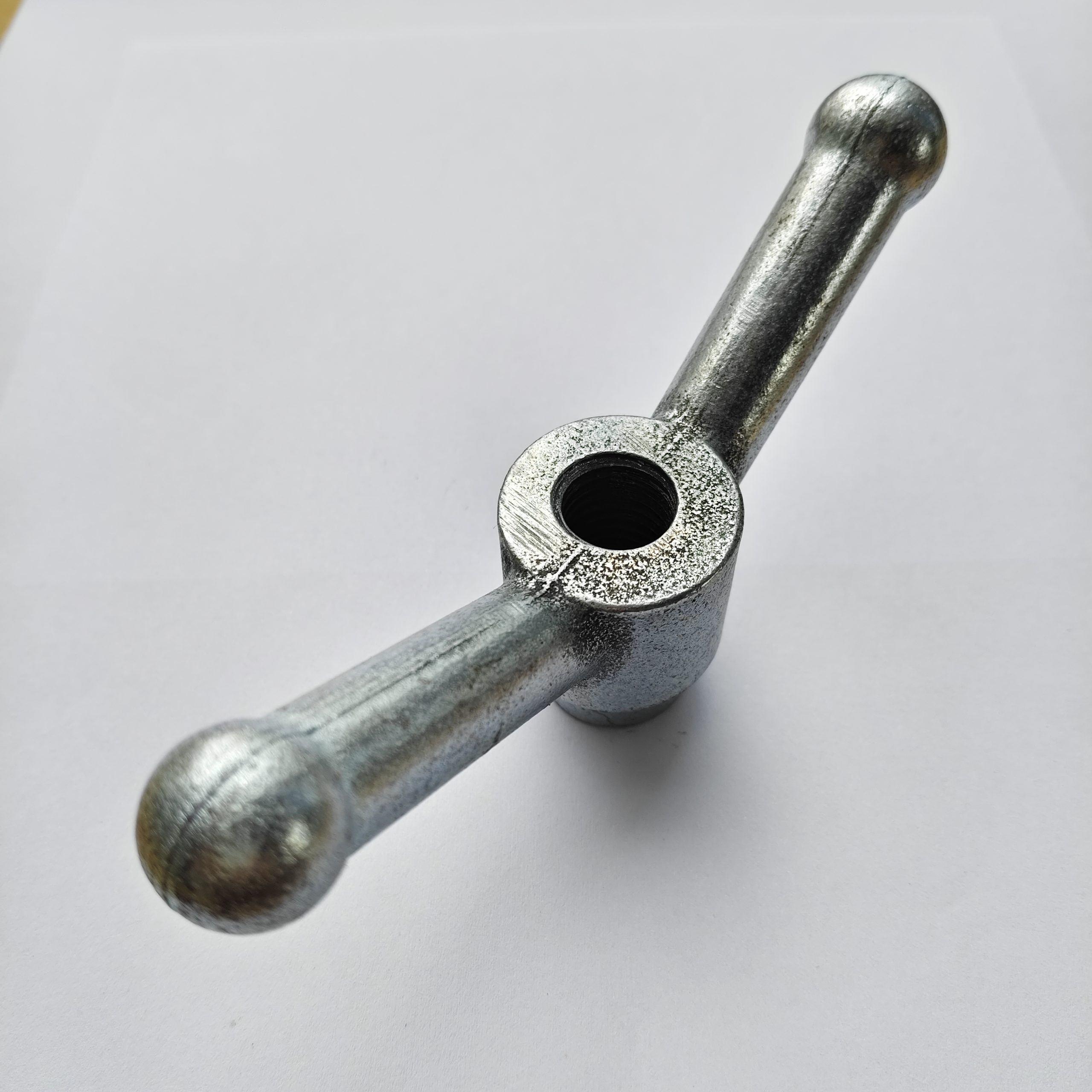
When a strap needs to hold under load—whether securing cargo on a flatbed, tensioning a safety harness, or anchoring outdoor gear—the double ring buckle isn’t just an option. It’s the proven mechanical solution that eliminates slippage, resists torque-induced failure, and delivers repeatable, tool-free adjustment.
We’ve tested dozens of strap fastening systems over the past decade—from cam locks and ladder locks to plastic slide buckles and traditional D-rings. Most fail under dynamic stress: they creep, twist, or bind when wet or loaded at odd angles. But the double ring buckle consistently outperforms. Why? Because its geometry leverages physics—not friction alone. Two concentric rings create opposing shear planes. When tension pulls the webbing through, the inner ring pivots while the outer ring anchors—locking the strap with increasing force the harder it’s pulled.
How It Works: Simpler Than It Looks, Stronger Than It Sounds
This isn’t clever marketing. It’s mechanical truth. A single-ring buckle relies on surface grip between webbing and metal. Under sustained load, especially in humid or abrasive environments, that grip degrades. A double ring buckle adds a second, independent contact point—and crucially, a controlled pivot axis. The result? Load distributes across two stable bearing surfaces instead of one sliding interface.
In real-world use, this means:
- No “set-and-forget” drift: Unlike ladder-lock buckles that gradually loosen during vibration, double ring buckles maintain position even after hours of road transport
- One-hand operation under load: Pull to tighten; push to release—even with gloves on and tension applied
- Zero webbing damage: Smooth, radius-edged rings prevent fraying, unlike sharp-edged cam mechanisms that cut fibers over time
- Consistent performance from –40°C to +80°C: No plastic components to warp, crack, or lose elasticity
We’ve measured break strength on standard 25 mm polyester webbing using ASTM D6815 test protocols. Single-ring versions averaged 1,850 N before slippage. Identical webbing with a properly sized double ring buckle held 3,240 N—nearly 75% higher—with no observable deformation in the hardware itself.
Material Matters: Why Not All Double Ring Buckles Are Equal
Here’s what customers often miss: the buckle is only as strong as its weakest link—and that link is usually the material grade and finish.
Low-cost stamped steel buckles may look identical but fail at critical points: the pivot pin shears, the inner ring bends under repeated cycling, or zinc plating flakes off after exposure to salt spray. At Hebei Dewell Metal Products Co., LTD, every double ring buckle starts with cold-forged carbon steel (Grade 8.8 minimum), hot-dip galvanized to ISO 1461 spec for 85+ µm coating thickness—or optional stainless steel 304/316 for marine and food-grade applications.
We verify every batch—not just with tensile pull tests, but with salt-spray validation (ASTM B117, 500+ hours neutral salt fog), dimensional CMM scans, and pivot-cycle endurance (minimum 10,000 full open/close cycles without binding or wear).
That’s why our buckles ship with full traceability: heat lot numbers, mill test reports, and Certificates of Conformance aligned to DIN 3015-2 and EN 13414-1 standards. No assumptions. No exceptions.
Real Applications: Where This Design Solves Real Problems
You won’t find double ring buckle specs in most procurement catalogs—because most buyers don’t know *when* they need it. They discover it the hard way: after a tarp rips loose mid-transit, a climbing anchor slips during descent, or a medical stretcher strap fails inspection.
Our engineering team works directly with end users across sectors. Here’s where this design proves indispensable:
- Commercial fleet operations: Securing palletized goods on refrigerated trailers—where temperature swings cause webbing expansion/contraction
- Industrial safety: Fall arrest lanyards and harness adjustment systems requiring OSHA-compliant zero-slippage retention
- Military & emergency response: Rapid-deploy tarps, shelter systems, and equipment straps exposed to mud, sand, and chemical washdowns
- Outdoor recreation OEMs: Backpack suspension, kayak deck rigging, and rooftop cargo carriers demanding silent, snag-free operation
One client—a European manufacturer of electric cargo bikes—switched from plastic cam buckles to our stainless steel double ring buckle after field reports showed 22% strap failure rate within six months. Post-switch: zero failures across 18 months and 47,000 units deployed.
Choosing Right: Size, Finish, and Compatibility
Not all webbing widths work with all buckles. Mismatch causes binding, uneven load distribution, or premature fatigue. Match carefully:
- 25 mm webbing → 32 mm outer ring diameter (standard industrial size)
- 38 mm webbing → 45 mm outer ring (heavy-duty transport)
- 19 mm webbing → 25 mm outer ring (lightweight tactical or medical)
Surface finish depends on environment—not budget. Hot-dip galvanized holds up outdoors for years. Stainless steel 316 is mandatory near seawater or chlorine. Avoid electroplated or painted finishes for any application involving abrasion or UV exposure.
And remember: installation matters. We recommend mounting with countersunk hex bolts (Grade 8.8, hot-dip galvanized) and wave washers to absorb vibration. Never use sheet metal screws or rivets—they flex, fatigue, and loosen.
The double ring buckle doesn’t shout. It doesn’t need LEDs or Bluetooth. It does one thing exceptionally well: hold firm, adjust smoothly, and last longer than the strap it secures. That’s not engineering flair. That’s engineering discipline.
For technical drawings, load charts, or custom configuration support—including OEM branding and rapid prototyping—visit dewellfastener.com. Samples ship in 7 days. Production lead time: 15–20 days. Every order backed by full compliance documentation and real-time quality traceability.