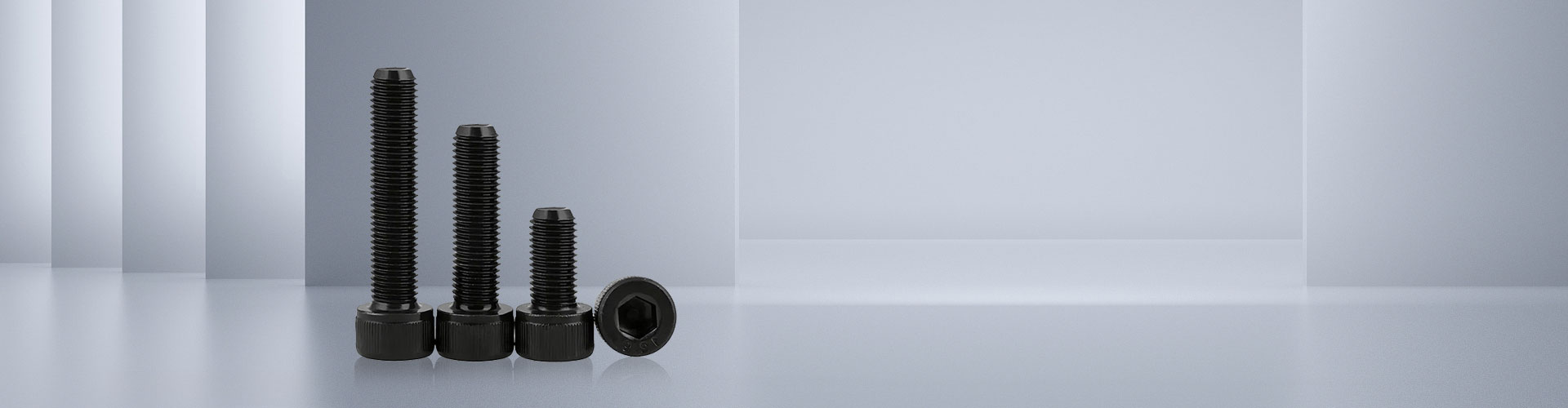
A hex cap screw is a high-strength fastener featuring a hexagonal head and a partially threaded shank with a chamfered end, designed to meet specific dimensional standards like ASME B18.2.1. Unlike standard hex bolts, these screws include a washer face under the head and stricter tolerances for use in critical machinery and structural applications. This guide details their types, sizing conventions, material grades, and expert selection criteria to ensure optimal performance in demanding engineering environments.
What Defines a Hex Cap Screw?
The term hex cap screw often causes confusion in the fastener industry because it is frequently used interchangeably with “hex bolt.” However, distinct engineering differences separate the two. A true hex cap screw is manufactured to tighter tolerances than a standard hex bolt. It features a washer face beneath the head, which distributes load more evenly and prevents damage to the mating surface during tightening.
Furthermore, the shank of a hex cap screw is typically partially threaded, leaving an unthreaded grip length near the head. This design is crucial for shear applications where the unthreaded portion bears the load, preventing thread stripping under stress. The end of the shank is also chamfered to facilitate easier insertion into holes. These features make hex cap screws the preferred choice for high-pressure systems, automotive assemblies, and heavy machinery where reliability is non-negotiable.
Key Distinctions from Standard Hex Bolts
Understanding the nuance between these fasteners is vital for procurement and engineering safety. While both share a six-sided head, the manufacturing specifications differ significantly:
- Tolerance Levels: Hex cap screws adhere to strict dimensional limits for head height, width across flats, and thread fit, whereas standard bolts allow for wider variances.
- Washer Face: Only hex cap screws are required to have an integrated washer face; standard bolts usually have a plain bearing surface.
- Thread Length: Cap screws have a controlled, shorter thread length relative to their total length, optimizing the grip zone.
- Application Intent: Cap screws are engineered for tension-critical joints, while standard bolts are often sufficient for general construction or low-stress connections.
Hex Cap Screw Types and Classifications
Selecting the correct type of hex cap screw depends largely on the mechanical properties required for the application. Industry standards categorize these fasteners based on material composition, heat treatment, and tensile strength. The most common classification systems include SAE J429 for imperial units and ASTM/ISO standards for metric and specialized uses.
SAE Grade Classifications
In the United States, the Society of Automotive Engineers (SAE) defines grades that indicate the strength of the steel used. Identifying these grades is simple due to the head markings stamped on the top of the screw.
- Grade 2: Made from low or medium carbon steel, these are general-purpose fasteners with no head markings. They are suitable for light-duty applications where high strength is not critical.
- Grade 5: Identified by three radial lines, these are medium carbon steel screws that have been quenched and tempered. They offer moderate strength and are widely used in automotive and machinery repairs.
- Grade 8: Marked with six radial lines, these represent the highest strength standard for general industrial use. Made from medium carbon alloy steel, they undergo rigorous heat treatment to withstand extreme torque and tension.
ASTM and Metric Standards
For infrastructure and international projects, ASTM (American Society for Testing and Materials) and ISO (International Organization for Standardization) ratings are prevalent. ASTM A325 and A490 are structural grades often used in steel-to-steel connections in buildings and bridges. In the metric system, property classes such as 8.8, 10.9, and 12.9 denote increasing levels of tensile strength. A class 10.9 hex cap screw, for instance, roughly correlates to SAE Grade 8 in terms of performance capabilities.
Comprehensive Size Guide and Dimensions
Navigating the vast array of hex cap screw sizes requires an understanding of both diameter and thread pitch. Sizes range from small machine screw dimensions to large structural diameters exceeding several inches. Proper selection ensures the fastener fits the pre-drilled hole and engages sufficiently with the nut or tapped hole.
Imperial vs. Metric Sizing Conventions
Imperial sizes are designated by a number or fraction indicating the major diameter, followed by the threads per inch (TPI). For example, a “1/2-13” screw has a 1/2-inch diameter with 13 threads per inch. Metric sizes use the letter “M” followed by the diameter in millimeters and the thread pitch (distance between threads). An “M12 x 1.75” screw has a 12mm diameter with a 1.75mm pitch.
Length measurement also varies. For most hex cap screws, length is measured from under the head to the tip. However, for flat head or countersunk screws, the measurement includes the head. It is essential to verify the specific standard being referenced to avoid ordering errors that could compromise assembly integrity.
Common Size Reference Table
The following table outlines common sizes found in industrial inventory, highlighting the relationship between nominal size, thread pitch, and typical head dimensions.
| Nominal Size (Imperial) |
Thread Pitch (TPI) |
Head Width (Across Flats) |
Typical Grade Availability |
| 1/4″ |
20 |
7/16″ |
Grade 2, 5, 8 |
| 5/16″ |
18 |
1/2″ |
Grade 2, 5, 8 |
| 3/8″ |
16 |
9/16″ |
Grade 2, 5, 8 |
| 1/2″ |
13 |
3/4″ |
Grade 5, 8, ASTM A325 |
| 5/8″ |
11 |
15/16″ |
Grade 5, 8, ASTM A325 |
| 3/4″ |
10 |
1-1/8″ |
Grade 8, ASTM A325/A490 |
| Nominal Size (Metric) |
Thread Pitch (mm) |
Head Width (mm) |
Typical Class Availability |
| M6 |
1.0 |
10 |
8.8, 10.9 |
| M8 |
1.25 |
13 |
8.8, 10.9, 12.9 |
| M10 |
1.5 |
16 |
8.8, 10.9, 12.9 |
| M12 |
1.75 |
18 |
8.8, 10.9, 12.9 |
| M16 |
2.0 |
24 |
8.8, 10.9, 12.9 |
| M20 |
2.5 |
30 |
8.8, 10.9, 12.9 |
Material Selection and Environmental Considerations
The longevity of a hex cap screw installation is heavily dependent on material selection relative to the operating environment. While carbon steel is the industry standard for indoor, dry applications, exposure to moisture, chemicals, or extreme temperatures necessitates alternative materials.
Carbon Steel and Heat Treatment
Most hex cap screws are manufactured from low to medium carbon steel. To achieve higher grades like Grade 8 or Class 10.9, the steel undergoes quenching and tempering. This process alters the microstructure of the metal, significantly increasing yield strength and hardness. However, higher hardness can sometimes reduce ductility, making the fastener more susceptible to brittle fracture if over-torqued. Engineers must balance strength requirements with the need for some flexibility in dynamic load scenarios.
Corrosion-Resistant Options
For outdoor, marine, or chemical processing applications, standard steel is prone to rapid oxidation. In these cases, stainless steel hex cap screws are the primary solution. Grades such as 304 (A2) and 316 (A4) offer excellent resistance to rust and corrosive agents. It is important to note that stainless steel generally has lower tensile strength compared to hardened alloy steel, so upsizing may be required to meet load specifications.
Another option is silicon bronze or naval brass, often used in marine environments where galvanic corrosion with hull materials is a concern. Additionally, carbon steel screws can be coated with zinc plating, hot-dip galvanization, or proprietary polymer coatings to enhance corrosion resistance while maintaining the high strength of the base metal.
Installation Best Practices and Torque Specifications
Proper installation is just as critical as selecting the right hex cap screw. Incorrect torque application is a leading cause of fastener failure, resulting in either joint loosening due to insufficient preload or bolt snapping due to excessive tension.
Understanding Preload and Torque
The goal of tightening a hex cap screw is to create clamp load or preload. This tension holds the joined materials together tightly, relying on friction to prevent sliding or separation. Torque is merely the method used to achieve this tension. Approximately 90% of applied torque is lost to friction under the nut/head and within the threads, with only 10% contributing to actual clamp load.
Therefore, lubrication plays a pivotal role. Applying oil or anti-seize compound reduces friction, meaning less torque is required to achieve the same preload. Failing to adjust torque values for lubricated fasteners can easily lead to overstressing and breaking the screw.
Step-by-Step Installation Guide
To ensure a secure and reliable connection, follow this professional installation procedure:
- Inspect Components: Verify that the hex cap screw, nut, and washers are free of debris, rust, or damaged threads. Ensure the grade markings match the engineering specifications.
- Prepare the Hole: Confirm the hole diameter allows the unthreaded shank to pass through freely while ensuring the threads engage fully in the mating part.
- Apply Lubrication: If specified by the torque chart, apply a consistent layer of lubricant to the threads and the bearing surface under the head.
- Hand Tighten: Start the screw by hand to prevent cross-threading. Ensure it seats squarely against the surface.
- Initial Snugging: Use a wrench to snug the fastener until the parts are in firm contact. Do not apply full torque yet.
- Final Torquing: Using a calibrated torque wrench, tighten the screw to the specified value in a star pattern if multiple fasteners are used. This ensures even distribution of clamping force.
- Verification: For critical applications, re-check torque after a short operational period to account for any initial settling or relaxation of the joint.
Advantages and Limitations Analysis
While hex cap screws are ubiquitous in engineering, they are not a one-size-fits-all solution. Understanding their specific advantages and limitations helps in making informed design decisions.
Core Advantages
- High Strength-to-Weight Ratio: The heat-treated alloy construction provides exceptional load-bearing capacity without excessive bulk.
- Precision Fit: Tighter tolerances ensure consistent performance and reduce the risk of tool slippage during installation.
- Vibration Resistance: When paired with appropriate locking mechanisms (like nylon insert nuts or prevailing torque nuts), they maintain integrity in high-vibration environments.
- Standardization: Global adherence to ASME, ASTM, and ISO standards simplifies sourcing and replacement across different industries.
Potential Limitations
- Cost: Due to stricter manufacturing controls and heat treatment processes, hex cap screws are generally more expensive than standard hex bolts.
- Corrosion Susceptibility: Unless specified as stainless or coated, high-strength carbon steel variants are vulnerable to rust in humid environments.
- Tool Access: The hexagonal head requires specific clearance for wrenches or sockets, which can be challenging in tightly confined spaces compared to socket head cap screws.
- Brittleness at High Grades: Very high-grade screws (e.g., Grade 8 or Class 12.9) can be brittle and may fail catastrophically rather than deforming if overloaded.
Common Applications Across Industries
The versatility of the hex cap screw makes it a staple in various sectors. Their ability to handle high tension and shear forces dictates their usage in critical assemblies.
Automotive and Transportation
In the automotive sector, these fasteners secure engine components, suspension systems, and drivetrain assemblies. The high vibration levels in vehicles demand the precision and locking capabilities inherent in graded hex cap screws. Grade 8 and Metric 10.9 fasteners are standard for wheel hubs and cylinder heads.
Construction and Infrastructure
Structural steel connections in buildings and bridges rely heavily on ASTM A325 and A490 hex cap screws. These fasteners are designed to handle the massive static and dynamic loads imposed on infrastructure. Their partial threading ensures that the shear plane occurs on the stronger unthreaded shank, enhancing the safety margin of the structure.
Heavy Machinery and Manufacturing
Industrial equipment, such as hydraulic presses, conveyor systems, and agricultural machinery, utilizes hex cap screws for frame assembly and component mounting. The availability of various lengths and diameters allows engineers to customize joints for thick metal plates or complex assemblies.
Frequently Asked Questions (FAQ)
What is the difference between a hex bolt and a hex cap screw?
The primary difference lies in manufacturing tolerances and features. A hex cap screw has a washer face under the head, a chamfered end, and tighter dimensional tolerances compared to a standard hex bolt. Cap screws are intended for high-strength, precision applications, while hex bolts are used for general purposes with looser fit requirements.
Can I use a Grade 5 nut with a Grade 8 hex cap screw?
No, this practice is strongly discouraged. The nut must be equal to or higher in strength than the screw. Using a weaker nut (Grade 5) with a stronger screw (Grade 8) can cause the nut’s threads to strip before the screw reaches its proper preload, leading to joint failure. Always match the grade markings.
How do I identify the grade of a hex cap screw?
Imperial hex cap screws feature radial lines on the head. No marks indicate Grade 2, three lines indicate Grade 5, and six lines indicate Grade 8. Metric screws display numbers like “8.8,” “10.9,” or “12.9” stamped on the head, representing their property class.
Are hex cap screws reusable?
Reuse depends on the application and condition. In non-critical, low-stress applications, they can often be reused if threads are undamaged. However, in critical structural or high-tension joints, especially those involving stretched bolts (torque-to-yield), they should be replaced after removal to ensure safety and reliability.
Does lubrication affect torque specifications?
Yes, significantly. Lubrication reduces friction, meaning less torque is needed to achieve the same clamp load. Applying oil to a dry torque specification can result in over-tightening and potential bolt breakage. Always consult torque charts that specify whether values are for dry or lubricated conditions.
Expert Insights on Future Trends
The landscape of fastening technology is evolving, though the hex cap screw remains a cornerstone. Recent industry trends point toward increased demand for specialized coatings that offer superior corrosion resistance without sacrificing strength. Technologies like zinc-flake coatings are gaining traction as environmentally friendly alternatives to traditional cadmium plating.
Furthermore, there is a growing emphasis on digital traceability in supply chains. Manufacturers are increasingly embedding batch-specific data to ensure every hex cap screw used in critical infrastructure can be traced back to its production run, enhancing quality control and accountability. As automation in assembly lines rises, consistency in head geometry and thread fit becomes even more paramount to prevent robotic tooling errors.
Conclusion and Selection Recommendations
The hex cap screw is an indispensable component in modern engineering, offering a blend of high strength, precision, and reliability that standard bolts cannot match. By understanding the distinctions in grades, materials, and installation protocols, professionals can ensure the safety and longevity of their assemblies. Whether securing a bridge truss or assembling a high-performance engine, the correct choice of hex cap screw is fundamental to structural integrity.
Who Should Use Hex Cap Screws?
These fasteners are ideal for engineers, mechanics, and contractors working on:
- High-vibration machinery and automotive systems.
- Structural steel connections requiring certified load ratings.
- Applications demanding precise torque control and high clamp loads.
- Environments where joint failure poses significant safety risks.
Partnering for Quality: Hebei Dewell Metal Products Co., LTD
Once you have determined your specific requirements for hex cap screws, selecting a reliable manufacturing partner is the final critical step. Hebei Dewell Metal Products Co., LTD stands as a premier example of a modern enterprise integrating research, development, production, and global sales. Located in Yongnian District, Handan City—the largest standard parts distribution center in China—Dewell has been dedicated to the philosophy of “integrity first, quality first” since its establishment in 2015.
With a factory spanning over 10 acres and equipped with more than 60 large-scale production units, Dewell specializes in producing a comprehensive range of fasteners, including over 400 varieties of bolts, nuts, and stamped parts. Their commitment to excellence is reflected in their robust infrastructure, which includes dedicated container freight transfer stations, advanced surface treatment plants, and two specialized R&D departments. Adhering strictly to national and international standards, Dewell ensures that every product, from Grade 8 hex cap screws to specialized metric classes, meets rigorous quality controls.
Dewell’s influence extends far beyond domestic borders, with products exported to Japan, South Korea, Europe, America, and Southeast Asia, supported by over 30 sales and service outlets nationwide. Driven by the vision to “promote the spirit of screws and bring standards to the industry,” Hebei Dewell Metal Products Co., LTD invites partners from all walks of life to collaborate. Whether for large-scale infrastructure projects or precision automotive assemblies, Dewell is poised to deliver the high-quality fastening solutions necessary to build a safer, more connected world.
Next Steps for Procurement
When selecting hex cap screws for your project, always begin by defining the load requirements and environmental conditions. Consult relevant industry standards (ASME, ASTM, ISO) to determine the appropriate grade and material. Ensure your supply chain partners provide certified test reports to verify compliance. For critical applications, consider conducting prototype testing to validate torque values and joint behavior before full-scale deployment.