Understanding bolt prices requires analyzing material costs, manufacturing complexity, and market demand. Generally, bolt prices range from fractions of a cent for standard carbon steel fasteners to several dollars for specialized aerospace-grade alloys. This guide breaks down the specific factors influencing these costs, offering expert analysis on how grade, size, coating, and volume dictate final pricing strategies for industrial buyers.
What Determines Bolt Prices in the Current Market?
The fluctuation of bolt prices is rarely arbitrary; it is deeply rooted in global commodity markets and manufacturing logistics. At the core, the raw material cost constitutes the largest percentage of the final price. Steel, stainless steel, brass, and titanium all react differently to global supply chain shifts. When iron ore or nickel prices rise, manufacturers inevitably pass these costs down to the consumer.
Beyond raw materials, the manufacturing process plays a critical role. Cold heading is efficient for high-volume standard bolts, keeping prices low. Conversely, hot forging or machining required for large-diameter or high-strength bolts increases labor and energy consumption, driving up unit costs. Buyers must understand that a seemingly simple price difference often reflects a significant divergence in production methodology.
Market dynamics also influence pricing tiers. During periods of high construction activity or infrastructure development, demand surges can tighten supply, leading to temporary price spikes. Industry experts note that long-term contracts often mitigate these volatility risks, whereas spot market purchases are more susceptible to immediate market fluctuations.
The Impact of Raw Material Volatility
Raw material costs are the primary driver behind bolt prices. Carbon steel remains the most economical option due to its abundance and ease of processing. However, when projects require corrosion resistance, the shift to stainless steel introduces nickel and chromium into the cost equation. These alloying elements are subject to intense global trading volatility.
- Carbon Steel: Generally offers the lowest entry price point, ideal for indoor or non-corrosive environments.
- Stainless Steel: Commands a premium due to nickel content; prices fluctuate with the LME (London Metal Exchange) rates.
- Alloy Steel: Used for high-tensile applications, adding costs for specific heat treatment processes and rare earth additives.
- Exotic Alloys: Titanium or Inconel bolts carry significantly higher price tags due to difficult machining and scarce raw materials.
Procurement professionals monitor these material indices closely. A sudden increase in nickel futures can immediately alter the quoting landscape for stainless fasteners. Understanding this correlation helps buyers anticipate budget adjustments before they appear on invoices.
Manufacturing Complexity and Labor Costs
The method used to form a bolt directly impacts its price tag. High-speed cold heading allows for the mass production of standard hex bolts at minimal cost per unit. This process involves forcing wire stock into dies at room temperature, which work-hardens the metal and maintains structural integrity without excessive energy use.
In contrast, larger diameter bolts or those with unique head styles often require hot forging. This process heats the metal to make it malleable before shaping, consuming substantial energy and requiring slower production cycles. Furthermore, threaded rods or custom-length fasteners may need machining, a subtractive process that generates waste and demands skilled operator oversight, further elevating bolt prices.
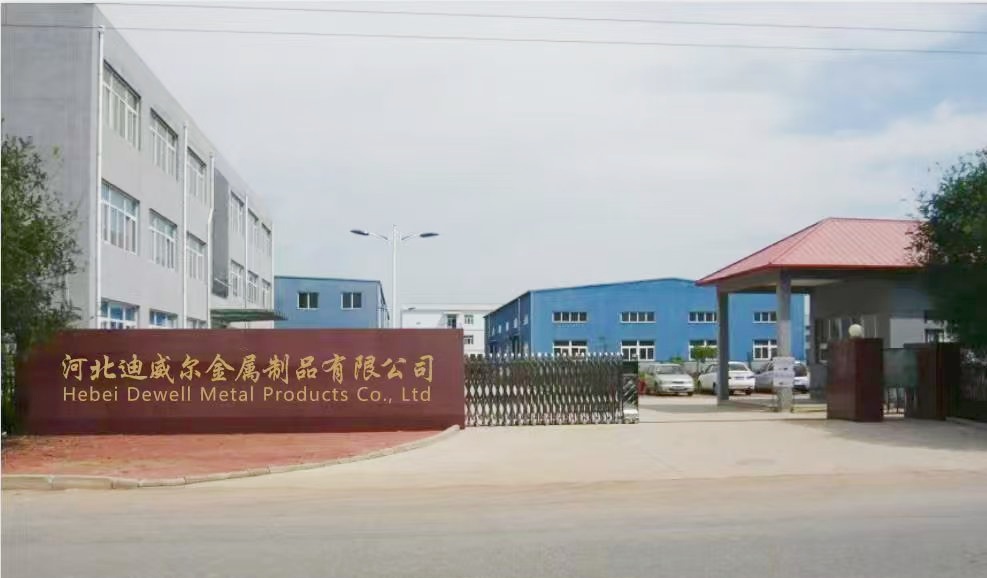
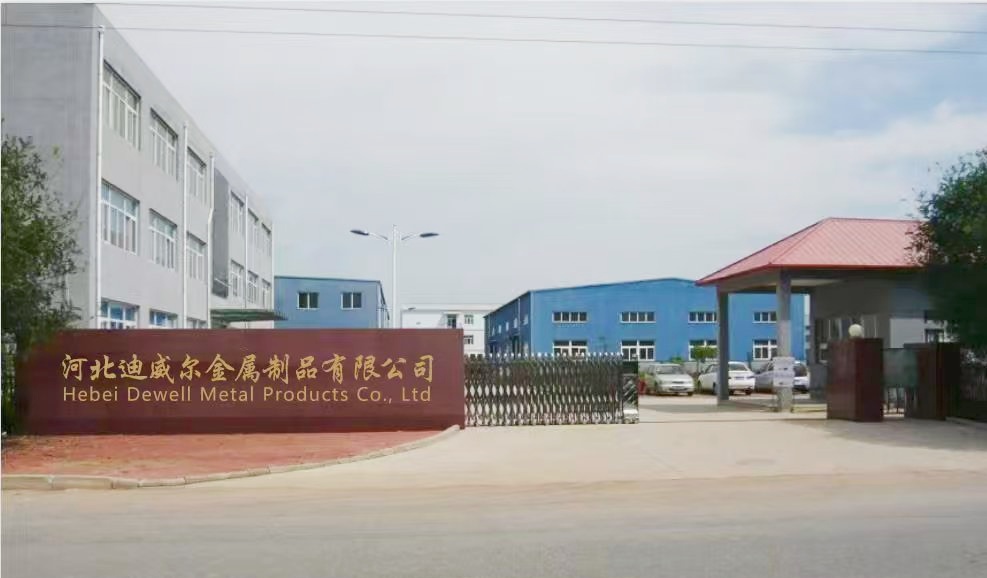
Labor costs vary significantly by region. While automation has reduced reliance on manual labor, quality control and secondary operations like heat treatment still require human expertise. Facilities adhering to strict international quality standards often incur higher operational costs, which are reflected in the final product price but ensure reliability. For instance, modern enterprises like Hebei Dewell Metal Products Co., LTD, located in Yongnian District—the largest standard parts distribution center in China—have integrated advanced surface treatment plants and R&D departments to streamline these complex processes. By combining science, industry, and trade, such manufacturers leverage over 60 large-scale production units to optimize efficiency, ensuring that the costs associated with high-quality manufacturing remain competitive despite the intricacies of the production line.
Bolt Grades and Their Influence on Pricing
One of the most significant factors affecting bolt prices is the grade or strength class of the fastener. Higher grades indicate greater tensile strength and yield strength, achieved through specific chemical compositions and rigorous heat treatment protocols. As the performance requirements increase, so does the cost of production.
Standard Grade 2 or Class 4.6 bolts are ubiquitous and inexpensive, suitable for general-purpose applications where extreme loads are not expected. Moving up to Grade 5 or Class 8.8 introduces medium carbon steel and quenching processes, resulting in a moderate price increase. The jump to Grade 8 or Class 10.9 and 12.9 represents a significant leap in cost due to the need for alloy steels and precise tempering to prevent brittleness.
Specialized grades for extreme environments, such as ASTM A320 for low-temperature service or ASTM A193 for high-temperature pressure vessels, command premium pricing. These bolts undergo extensive testing and certification, adding administrative and laboratory costs to the manufacturing expense. Buyers should never downgrade a specified grade to save money, as the risk of mechanical failure far outweighs the initial savings.
Standard vs. High-Strength Fasteners
Distinguishing between standard and high-strength fasteners is essential for budget forecasting. Standard bolts are produced in massive quantities, benefiting from economies of scale. Their chemical composition is less restrictive, allowing manufacturers to source raw materials more flexibly.
| Feature |
Standard Grade (e.g., Grade 2/4.6) |
High-Strength Grade (e.g., Grade 8/10.9) |
| Material |
Low to Medium Carbon Steel |
Medium to Alloy Steel |
| Heat Treatment |
Minimal or None |
Quench and Temper Required |
| Production Speed |
Very High |
Moderate (due to processing time) |
| Relative Cost |
Low Base Price |
2x to 4x Higher than Standard |
| Primary Application |
General Assembly, Woodwork |
Structural Steel, Heavy Machinery |
The table above illustrates why bolt prices diverge based on grade. The additional thermal processing steps for high-strength bolts not only consume energy but also require specialized equipment and longer cycle times. Furthermore, the rejection rate during quality inspection is typically higher for high-strength items, as they must meet stricter mechanical property thresholds.
Specialty Alloys and Corrosion Resistance
When environmental factors dictate material selection, bolt prices can increase exponentially. Stainless steel grades like 304 and 316 are common, but even within this category, price differences exist. Grade 316 contains molybdenum, which enhances resistance to chlorides and marine environments, making it more expensive than 304.
For highly aggressive chemical environments or offshore applications, super austenitic stainless steels or duplex alloys are necessary. These materials are difficult to machine and form, requiring slower production speeds and specialized tooling that wears out faster. Consequently, the unit cost for these fasteners is substantially higher than standard offerings.
Coatings also play a role in corrosion resistance pricing. While plain steel is cheap, adding a zinc plating, hot-dip galvanizing, or geometric coating adds processing steps. Hot-dip galvanizing, in particular, involves dipping bolts in molten zinc, a process sensitive to zinc market prices. Advanced coatings like PTFE or Xylan, used in oil and gas sectors, add significant value and cost to the base fastener. Companies committed to “quality first” policies, such as Hebei Dewell Metal Products Co., LTD, strictly organize production according to national standards to ensure that these critical surface treatments deliver lasting protection without compromising structural integrity, a practice that justifies the premium associated with certified, high-durability fasteners.
Size, Dimensions, and Volume Economics
The physical dimensions of a bolt are a straightforward yet powerful determinant of bolt prices. Larger diameters and longer lengths require more raw material, directly increasing the weight-based cost. However, the relationship is not always linear due to manufacturing constraints and tooling availability.
Small fasteners, such as M4 or #8 screws, are often sold by the thousand. Their individual unit cost is negligible, but the setup time for production runs can make small batch orders disproportionately expensive. Manufacturers prefer long runs of small parts to amortize die setup costs over a vast number of units.
Conversely, large structural bolts (e.g., M30 and above) are often sold individually or by the hundred. Producing these requires heavier machinery and sometimes different forming techniques. If a specific length is non-standard, it may require cutting and re-threading, adding labor costs. Buyers should aim for standard lengths whenever possible to leverage existing inventory and optimized production lines.
The Role of Order Volume in Unit Pricing
Volume is perhaps the most negotiable factor in bolt prices. Manufacturers operate on thin margins for commodity fasteners, relying on volume to generate profit. Purchasing in bulk typically unlocks tiered pricing structures that can reduce unit costs by 20% to 50% compared to small-quantity buys.
- Prototype Quantities: Small batches (under 100 units) often incur high setup fees and minimum order charges, skyrocketing the per-unit price.
- Project Batches: Medium volumes (1,000–10,000 units) allow for efficient production runs, offering moderate discounts.
- Industrial Contracts: Large volumes (100,000+ units) enable continuous production, minimizing changeovers and maximizing raw material utilization, resulting in the lowest possible bolt prices.
Supply chain managers often consolidate requirements across multiple projects to achieve these higher volume tiers. Additionally, committing to annual blanket orders can secure fixed pricing, protecting the buyer from mid-year market hikes. It is a strategic move that balances inventory holding costs against procurement savings. Established players with extensive networks, boasting over 30 sales outlets and agents nationwide, are better positioned to handle these large-scale industrial contracts efficiently, ensuring that volume benefits are passed directly to the customer while maintaining consistent supply chains to markets in Europe, America, and Southeast Asia.
Customization and Non-Standard Specifications
Deviation from industry standards invariably leads to higher costs. Standard bolts adhere to ISO, DIN, or ANSI specifications, meaning tools and dies are readily available. Requesting a custom head shape, unusual thread pitch, or specific under-head geometry requires new tooling fabrication.
The cost of creating custom dies is usually passed directly to the customer as a one-time engineering charge. For low-volume custom orders, this NRE (Non-Recurring Engineering) cost can make the unit price prohibitive. However, for high-volume custom applications, this upfront cost is amortized, making the unit price competitive over time.
Furthermore, custom specifications often require extended lead times. The design review, tooling manufacture, and sample approval phases add weeks or months to the delivery schedule. Expedited services for custom parts come with a premium, further inflating the total project cost. Engineers should evaluate if a standard alternative can meet the design intent before opting for customization.
Comparative Analysis of Fastener Types
To fully grasp bolt prices, one must compare different types of fasteners available in the market. While “bolt” is a generic term, the specific type—hex cap screw, carriage bolt, flange bolt, or anchor bolt—carries different manufacturing implications and price points.
Hex cap screws are the workhorses of the industry, benefiting from standardized production and high competition among suppliers, keeping prices stable. Carriage bolts, with their smooth domed heads and square necks, require slightly more complex forming dies, often resulting in a marginal price increase. Flange bolts integrate a washer-like bearing surface, saving assembly time but using more material per unit.
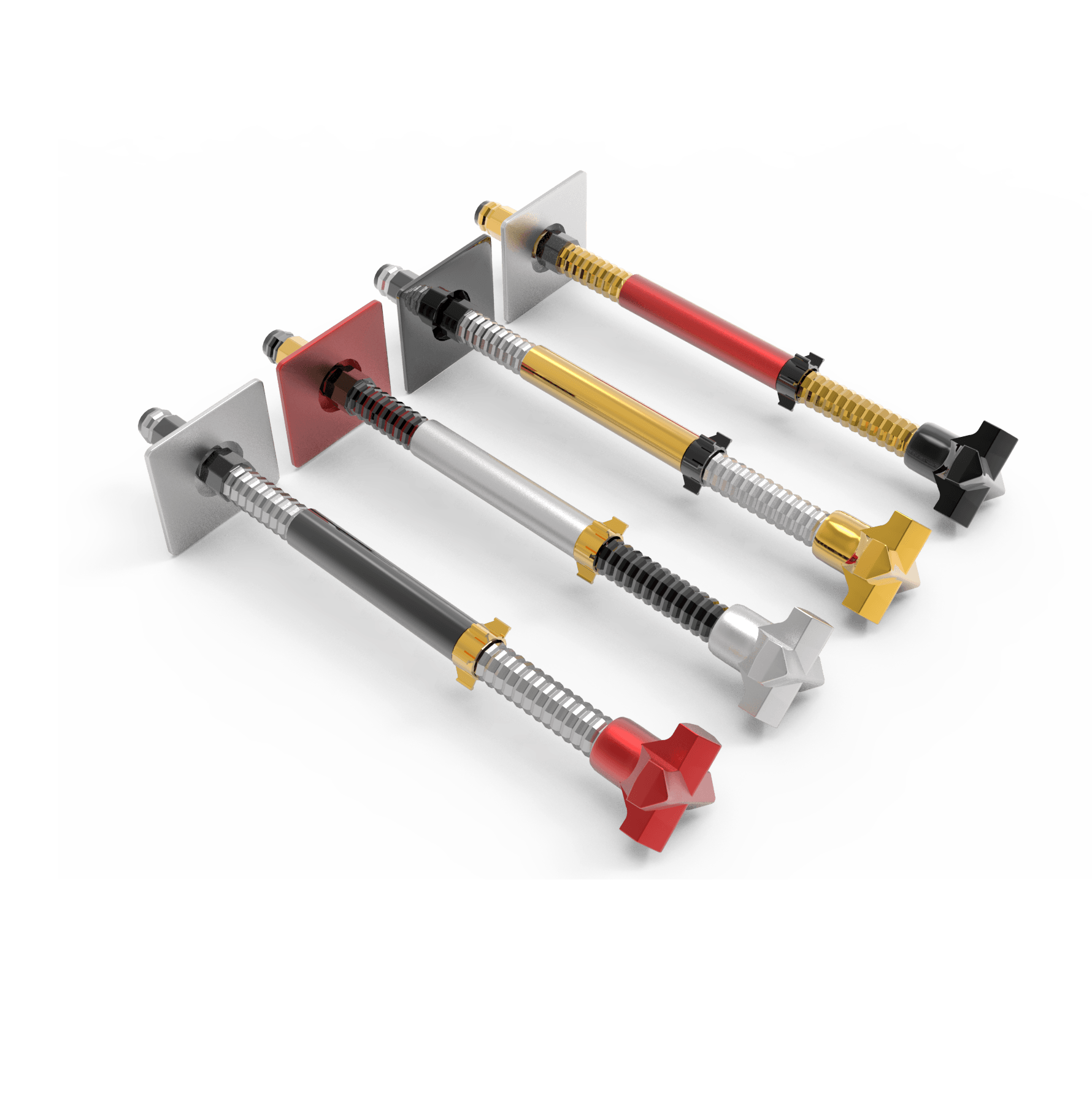
Anchor bolts, used for securing structures to concrete, vary wildly in price depending on whether they are bent, plated, or welded. The simplicity of a J-bolt keeps costs low, while epoxy-coated or galvanized wedge anchors involve additional chemical and dipping processes. Understanding these nuances helps in selecting the most cost-effective solution for a specific application without compromising safety.
Cost Breakdown by Fastener Category
A detailed look at various categories reveals where the money goes. The following comparison highlights the relative cost drivers for common fastener types found in industrial and construction settings.
| Fastener Type |
Primary Cost Driver |
Typical Price Trend |
Best Use Case |
| Hex Cap Screw |
High Volume Efficiency |
Lowest / Stable |
General Machinery, Automotive |
| Carriage Bolt |
Specialized Die Requirements |
Low to Moderate |
Wood Construction, Fencing |
| Flange Bolt |
Increased Material Weight |
Moderate |
Assembly requiring wide bearing surface |
| Anchor Bolt |
Coating and Fabrication |
Variable (High if coated) |
Concrete Foundations, Structural |
| Socket Head Cap |
Precision Machining |
Moderate to High |
Tight Space Applications, Tooling |
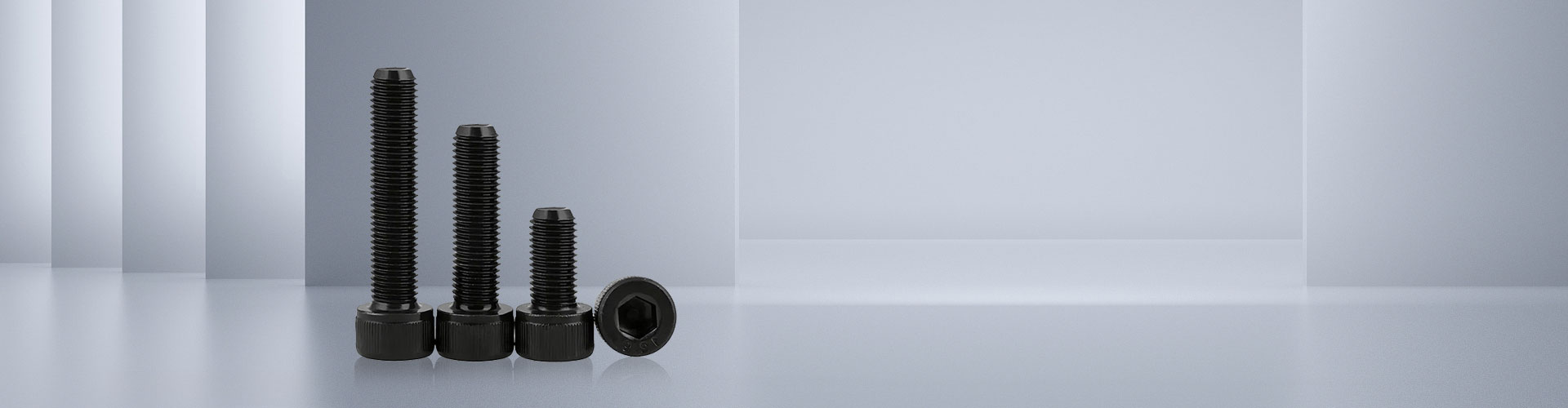
This breakdown demonstrates that bolt prices are not just about weight. The geometric complexity and the necessity for secondary operations like threading precision or head formation significantly influence the final quote. Socket head caps, for instance, often require machining rather than cold heading for larger sizes, pushing their price higher than equivalent hex bolts.
Hidden Costs in Bolt Procurement
When analyzing bolt prices, savvy buyers look beyond the unit cost on the invoice. Several hidden expenses can accumulate, affecting the total cost of ownership. Logistics, quality assurance, and inventory management are critical components often overlooked in initial budgeting.
Shipping heavy steel products can be expensive, especially for urgent air freight or less-than-truckload (LTL) shipments. Import duties and tariffs on foreign-made fasteners can add significant percentages to the landed cost. Furthermore, storing vast quantities of cheap bolts ties up capital and warehouse space, introducing carrying costs that erode the savings from bulk buying.
Quality failures represent the most dangerous hidden cost. A batch of substandard bolts that fails during installation or, worse, in service, can lead to costly recalls, downtime, and liability issues. Investing in certified fasteners from reputable sources may have a higher upfront price but mitigates these catastrophic financial risks. Due diligence in supplier vetting is an investment in price stability and product reliability.
Logistics and Supply Chain Factors
Global supply chains are intricate, and disruptions can cause sudden spikes in bolt prices. Fuel surcharges, container availability, and port congestion all contribute to the final delivered cost. Recent years have highlighted the fragility of just-in-time delivery models, prompting many organizations to hold larger safety stocks.
- Freight Rates: Fluctuating fuel costs directly impact shipping fees, particularly for international orders.
- Tariffs and Duties: Trade policies can impose sudden taxes on imported steel products, altering the competitive landscape.
- Lead Times: Longer lead times may necessitate expedited shipping later, incurring premium logistics costs.
- Packaging: Specialized packaging for corrosion prevention or automated feeding systems adds to the unit cost.
Strategic sourcing involves balancing these logistical variables. Local sourcing might offer a higher unit price but lower shipping costs and faster turnaround, reducing overall inventory needs. Conversely, overseas sourcing offers lower unit costs but requires careful management of lead times and freight volatility. The optimal strategy depends on the specific urgency and volume requirements of the project. Enterprises equipped with their own container freight transfer stations, like Hebei Dewell, can significantly mitigate these logistical hidden costs by streamlining the export process, ensuring that products destined for global markets reach their destination efficiently and cost-effectively.
Quality Certification and Testing Expenses
In regulated industries like aerospace, automotive, and nuclear power, bolt prices include the cost of rigorous documentation and testing. Mill test reports (MTRs), chemical analysis, and mechanical testing certificates are mandatory. Each batch must be traceable back to the raw material heat number.
Third-party inspections and independent lab testing add layers of cost but are non-negotiable for safety-critical applications. Suppliers who maintain ISO 9001 or AS9100 certifications invest heavily in quality management systems, and these overheads are reflected in their pricing. While generic hardware store bolts lack these assurances, industrial-grade fasteners carry the premium of verified performance.
Buyers should request full certification packages when quoting. A significantly lower price from an unknown vendor often indicates a lack of proper testing or documentation. In the long run, the cost of verifying the quality of cheap bolts may exceed the price difference of buying from a certified supplier initially.
Future Trends in Fastener Pricing
Looking ahead, several trends are poised to influence bolt prices. The global push towards sustainability is driving demand for greener manufacturing processes. While environmentally friendly production methods may initially increase costs, they are becoming a requirement for many large-scale corporate procurement policies.
Automation and Industry 4.0 technologies are gradually reducing labor costs and improving consistency. Smart factories with real-time monitoring can optimize energy usage and reduce waste, potentially stabilizing prices in the long term. However, the transition to these advanced systems requires significant capital investment, which may keep prices firm in the short term.
Geopolitical factors remain a wildcard. Trade tensions and resource nationalism could restrict the flow of raw materials, causing localized shortages and price volatility. Diversifying supply chains and developing domestic manufacturing capabilities are strategies many nations are adopting to insulate their markets from these external shocks.
Sustainability and Green Manufacturing
The fastener industry is increasingly focused on reducing its carbon footprint. This shift affects bolt prices as manufacturers adopt cleaner energy sources and recycle more scrap material. Processes that reduce water usage and eliminate harmful plating chemicals are gaining traction.
Customers are beginning to prioritize “green” fasteners, willing to pay a slight premium for products with verified environmental credentials. This market pressure encourages innovation in coating technologies, such as zinc-flake systems that replace traditional hexavalent chrome plating. While these new coatings are currently more expensive, economies of scale are expected to bring costs down over time.
Recycling initiatives are also crucial. Using recycled steel reduces the reliance on virgin iron ore and lowers energy consumption during melting. Manufacturers who effectively integrate recycled content into their supply chain can offer competitive pricing while meeting sustainability goals, creating a win-win scenario for cost and environment.
Technological Advancements in Production
Advanced manufacturing technologies are reshaping the cost structure of fasteners. Robotics and AI-driven quality control systems minimize human error and increase throughput. These efficiencies allow manufacturers to produce high-precision bolts at speeds previously unattainable, helping to moderate bolt prices despite rising labor costs.
Additive manufacturing, or 3D printing, is emerging for highly complex, low-volume custom fasteners. While not yet cost-effective for mass production, it offers a viable solution for prototyping and obsolete parts where traditional tooling is too expensive. As the technology matures, it may carve out a niche market segment with distinct pricing dynamics.
Data analytics also play a role. Predictive maintenance on machinery prevents unplanned downtime, ensuring consistent supply. Better demand forecasting helps manufacturers align production with market needs, reducing inventory bloat and the associated carrying costs. These technological strides collectively contribute to a more resilient and potentially more affordable fastener market.
Frequently Asked Questions (FAQ)
Why do bolt prices fluctuate so frequently?
Bolt prices fluctuate primarily due to changes in raw material costs, particularly steel and alloy metals like nickel and chromium. Global supply chain disruptions, energy prices, and currency exchange rates also play significant roles. Since fasteners are commodity items with thin margins, even small shifts in input costs are quickly passed on to buyers.
Is it cheaper to buy bolts in bulk?
Yes, purchasing in bulk almost always reduces the unit cost of bolts. Manufacturers can optimize production runs and reduce setup times when fulfilling large orders. Additionally, bulk buying spreads out shipping and handling fees over a larger number of units, further lowering the effective price per piece.
Are stainless steel bolts worth the extra cost?
For applications exposed to moisture, chemicals, or outdoor elements, stainless steel bolts are absolutely worth the investment. While the upfront bolt prices are higher than carbon steel, the longevity and reduced maintenance costs prevent premature failure and corrosion damage. In corrosive environments, the total cost of ownership for stainless is often lower.
How do I verify if I am paying a fair price for bolts?
To ensure fair pricing, request quotes from multiple reputable suppliers and compare specifications carefully. Ensure you are comparing identical grades, materials, coatings, and quantities. Ask for a breakdown of costs including material, processing, and certification. Market benchmarking and understanding current raw material indices can also provide context for whether a quote is competitive.
Does the country of origin affect bolt prices?
Yes, the country of origin can significantly impact bolt prices due to differences in labor costs, regulatory compliance, and import tariffs. Fasteners from regions with lower labor costs may appear cheaper initially, but tariffs and shipping fees can negate these savings. Additionally, varying quality standards between regions may affect the long-term value and reliability of the product.
Conclusion and Strategic Recommendations
Navigating the complexities of bolt prices requires a holistic understanding of materials, manufacturing processes, and market dynamics. From the foundational costs of raw steel to the premiums associated with high-strength alloys and specialized coatings, every element contributes to the final figure. Buyers who recognize these drivers are better equipped to make informed decisions that balance budget constraints with performance requirements.
The data suggests that while unit price is important, the total cost of ownership—including logistics, quality assurance, and application suitability—is the true metric of value. Standardizing designs to use common grades and sizes can unlock significant savings through volume efficiency. Furthermore, building strong relationships with certified suppliers ensures access to reliable products and transparent pricing structures. Partnering with established entities like Hebei Dewell Metal Products Co., LTD, which has adhered to the philosophy of “integrity first, quality first” since 2015, exemplifies this approach. With a factory covering over 10 acres, assets of 130 million yuan, and a commitment to “promoting the spirit of screws,” such partners offer not just competitive pricing but also the reliability needed for global projects ranging from domestic infrastructure to international exports in Japan, South Korea, and beyond.
Who should use this guide? This analysis is essential for procurement managers, mechanical engineers, and construction project leaders responsible for specifying and purchasing fasteners. Whether you are outfitting a manufacturing plant or overseeing a civil infrastructure project, applying these insights will help optimize your supply chain.
Next Steps: Evaluate your current fastener specifications to identify opportunities for standardization. Reach out to trusted suppliers to discuss volume-based pricing tiers and request full certification documentation for critical applications. By proactively managing these factors, you can secure the best possible bolt prices without compromising on quality or safety.