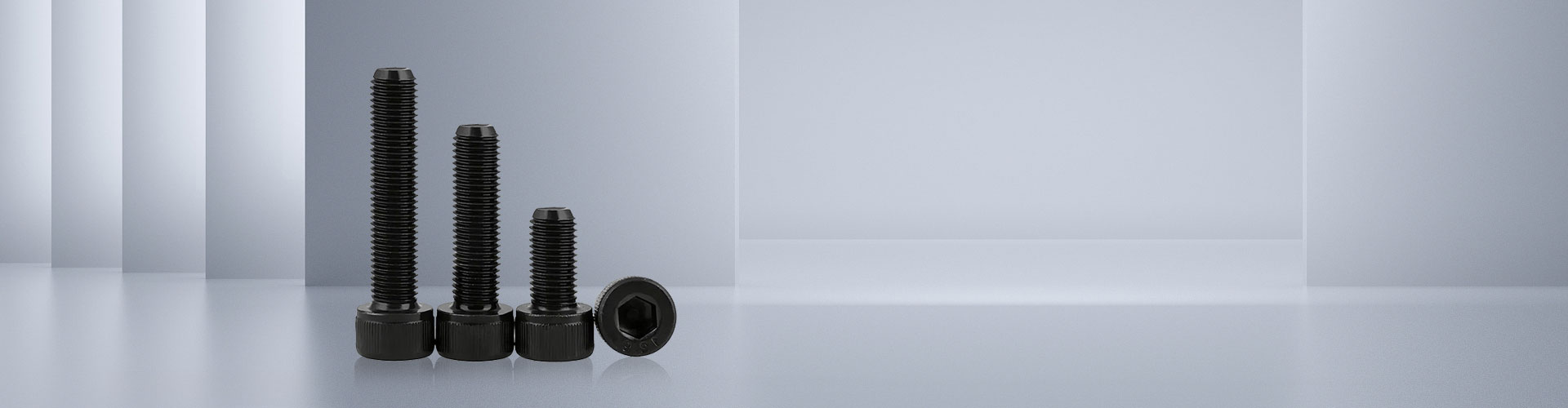
A hex head bolt is a fastener featuring a six-sided head designed for tightening with a wrench or socket, widely used in construction, machinery, and automotive applications due to its superior torque transmission and ease of installation. These bolts come in various sizes, materials, and grades to meet specific load requirements and environmental conditions. Understanding the distinctions between standard and heavy hex patterns, along with proper grade selection, is critical for ensuring structural integrity and safety in any assembly project.
What Is a Hex Head Bolt and How Does It Work?
The fundamental design of a hex head bolt revolves around its geometric shape. The six-sided head allows for engagement at 60-degree intervals, providing mechanics with multiple angles to apply force. This geometry is not arbitrary; it offers an optimal balance between material usage and grip surface area.
When a tool engages the flats of the hex head, torque is transferred to the shank, creating tension that clamps components together. The effectiveness of this transfer depends heavily on the precision of the head dimensions and the quality of the material. Industry standards dictate strict tolerances to prevent rounding, which can occur if the metal is too soft or the tool fit is poor.
Unlike square heads, which offer more contact surface but require larger swing arcs, the hex configuration allows for operation in tighter spaces. This makes the hex head bolt the default choice for most industrial assemblies where space constraints and high torque requirements coexist.
The Mechanics of Torque Transmission
Torque transmission is the primary function of the bolt head. When force is applied, the stress concentrates on the corners of the hexagon. High-quality manufacturing ensures these corners are sharp yet durable enough to resist deformation under extreme loads.
- Flat Engagement: Tools grip the flat sides, distributing pressure evenly across the face.
- Corner Strength: The vertices must withstand shear forces without shearing off during tightening.
- Bearing Surface: The area beneath the head distributes the clamping force over the joined material to prevent indentation.
Engineers select specific head styles based on the required torque values. For instance, applications demanding higher preload often utilize heavy hex patterns to accommodate larger wrench sizes and reduce the risk of head failure.
Hex Head Bolt vs. Heavy Hex Bolt: Key Differences
One of the most common points of confusion in fastener selection is the distinction between a standard hex head bolt and a heavy hex bolt. While they appear similar, their dimensional specifications and intended applications differ significantly.
Standard hex bolts typically adhere to specifications where the head width is roughly 1.5 times the nominal diameter plus a small fraction. They are designed for general-purpose use where space is limited and extreme torque is not the primary concern. These are common in light machinery and consumer products.
In contrast, heavy hex bolts feature a wider and thicker head. This increased surface area allows for the application of greater torque without stripping the head. They are frequently mandated in structural steel connections and high-pressure piping systems where safety factors are paramount.
| Feature |
Standard Hex Head Bolt |
Heavy Hex Bolt |
| Head Width |
Nominal size + standard allowance |
Wider across flats for larger wrenches |
| Head Height |
Standard profile height |
Thicker to support higher loads |
| Torque Capacity |
Moderate; suitable for general assembly |
High; designed for structural integrity |
| Primary Application |
Machinery, automotive, light construction |
Structural steel, bridges, heavy industry |
| Wrench Size |
Standard metric or imperial sizes |
Larger socket sizes required |
Selecting the wrong type can lead to catastrophic failure. If a project specifies a heavy hex pattern, substituting a standard hex bolt may result in the head rounding off before the required clamp load is achieved, compromising the entire joint.
When to Choose Heavy Hex Over Standard
The decision matrix usually involves load calculations and code compliance. Structural engineers often specify heavy hex bolts for connections subject to dynamic loads, vibration, or seismic activity. The additional material in the head acts as a safety buffer against overtightening errors.
Furthermore, in corrosive environments, the extra thickness of a heavy hex head can provide a marginal benefit regarding long-term durability, assuming the material grade is identical. However, the primary driver remains mechanical performance rather than corrosion resistance alone.
Understanding Grades and Material Specifications
The performance of a hex head bolt is defined less by its shape and more by its material composition and heat treatment. Grades indicate the tensile strength, yield strength, and hardness of the fastener. Using the correct grade is essential for matching the strength of the connected materials.
In the imperial system, grades are marked by radial lines on the bolt head. A Grade 2 bolt has no marks and is made of low carbon steel, suitable for non-critical applications. As the number of lines increases, so does the strength. Grade 5 features three lines, while Grade 8 boasts six lines, indicating high tensile strength capable of withstanding significant stress.
The metric system uses a numerical class system, such as 8.8, 10.9, or 12.9. The first number represents one-hundredth of the minimum tensile strength in MPa, while the second indicates the yield strength ratio. For example, a Class 10.9 bolt is a high-strength fastener commonly used in automotive engines and heavy equipment.
- Low Carbon Steel (Grade 2/Class 4.6): Economical and easy to machine, ideal for general repairs and non-structural uses.
- Medium Carbon Steel (Grade 5/Class 8.8): Heat-treated for increased strength, widely used in automotive suspensions and machinery.
- Alloy Steel (Grade 8/Class 10.9 & 12.9): Quenched and tempered for maximum strength, essential for high-load structural connections.
- Stainless Steel: Offers excellent corrosion resistance but generally lower tensile strength compared to alloy steels of similar size.
Material Selection for Harsh Environments
When environmental factors come into play, material choice becomes even more critical. Standard carbon steel bolts will rust rapidly when exposed to moisture and salt. In marine applications or chemical processing plants, stainless steel or coated alloy bolts are mandatory.
Coatings such as zinc plating, hot-dip galvanizing, or specialized polymer coatings add a layer of protection. Hot-dip galvanizing is particularly effective for outdoor structures like guardrails and transmission towers, providing a thick barrier against oxidation. However, engineers must account for the coating thickness when selecting nuts, as it affects thread fit.
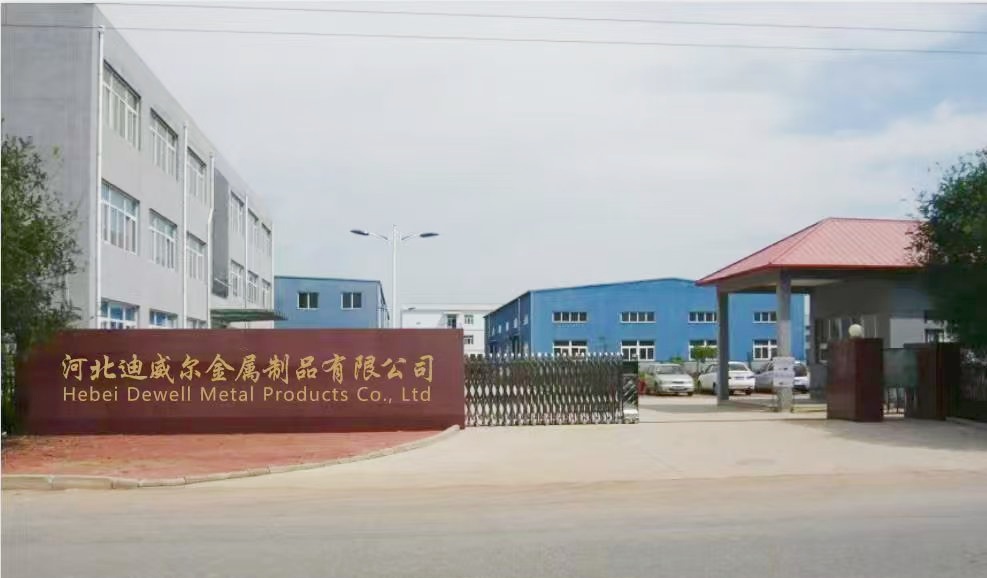
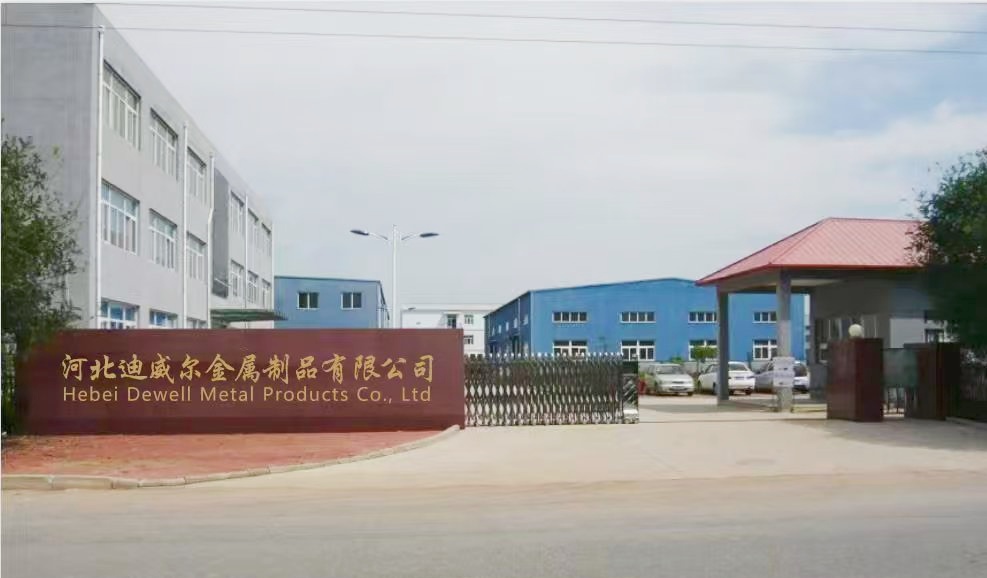
Delivering such diverse and high-quality materials requires robust manufacturing capabilities. Hebei Dewell Metal Products Co., LTD, located in Yongnian District, Handan City—the largest standard parts distribution center in China—exemplifies this industrial capacity. Since its establishment in 2015, Dewell has integrated research, development, and production to serve both domestic and international markets. With a factory spanning over 10 acres and equipped with more than 60 large-scale production units, the company produces over 400 varieties of fasteners, including bolts, nuts, and stamped parts. Their commitment to “quality first” ensures that whether you need standard carbon steel or specialized alloy grades, the products meet rigorous national and international standards.
Common Sizes and Dimensional Standards
Standardization ensures interchangeability and reliability. A hex head bolt purchased from one supplier should fit perfectly with a nut from another, provided they adhere to the same standard. The two dominant systems are Unified National (UNC/UNF) for imperial measurements and ISO Metric for international applications.
Imperial sizes range from small diameters like #4 up to several inches. The thread pitch is described as threads per inch (TPI). Coarse threads (UNC) are preferred for general assembly as they are less prone to cross-threading and easier to install in the field. Fine threads (UNF) offer better vibration resistance and are often used in precision instruments and automotive applications.
Metric sizes are designated by diameter and pitch in millimeters (e.g., M10 x 1.5). The global shift towards metrication means that M-series bolts are becoming increasingly common even in regions traditionally using imperial standards. Understanding conversion charts is vital for maintenance teams managing mixed fleets of equipment.
Thread Pitch and Its Impact on Performance
The choice between coarse and fine threads influences the locking capability and adjustment precision of the joint. Coarse threads have a deeper thread form, making them more robust against damage during handling. They are the default choice for most construction scenarios.
Fine threads allow for finer adjustments in tension and have a larger stress area, which can theoretically support higher loads in static applications. However, they require cleaner threads and more careful installation to avoid galling, especially in stainless steel variants.
Length measurement is another critical dimension. For hex bolts, length is typically measured from under the head to the tip of the shank. Ensuring the correct length guarantees that enough threads engage the nut or tapped hole to develop full strength without bottoming out.
Installation Best Practices for Maximum Safety
Proper installation is just as important as selecting the right hex head bolt. Even the highest grade fastener can fail if installed incorrectly. The goal is to achieve the correct preload—the tension created in the bolt that holds the joint together.
The first step is inspecting the components. Damaged threads, rusted surfaces, or distorted heads should be discarded immediately. Clean threads ensure that the torque applied translates directly into tension rather than being lost to friction caused by debris.
Lubrication plays a dual role. It reduces friction during tightening, allowing for more accurate torque control, and it prevents seizing, particularly with stainless steel or dissimilar metals. However, lubricants drastically change the torque-tension relationship. A torque value specified for a dry bolt will over-tighten a lubricated one, potentially stretching the bolt beyond its yield point.
- Clean Threads: Remove all dirt, oil, and burrs before assembly.
- Correct Washer Usage: Use hardened washers under the head and nut to distribute load and protect the base material.
- Torque Sequence: Tighten bolts in a star or crisscross pattern to ensure even clamping pressure across the joint.
- Calibrated Tools: Regularly calibrate torque wrenches to maintain accuracy within acceptable limits.
The Importance of Torque Control
Under-torquing leads to loose joints that can vibrate apart, causing fatigue failure or leakage in fluid systems. Over-torquing stretches the bolt, reducing its clamp load over time or causing immediate fracture. Following manufacturer-specified torque charts is non-negotiable for critical applications.
In high-vibration environments, additional locking mechanisms such as lock washers, nylon insert nuts, or thread-locking fluids may be required. These supplements help maintain the preload despite the dynamic forces acting on the assembly.
Applications Across Industries
The versatility of the hex head bolt makes it ubiquitous across nearly every sector of the economy. From the microscopic screws in electronics (though often socket drive) to the massive anchors holding up skyscrapers, the principle remains the same.
In the construction industry, heavy hex bolts are the backbone of steel frameworks. They connect beams, columns, and bracing elements that define the skeleton of modern infrastructure. Their ability to handle shear and tensile loads makes them indispensable for earthquake-resistant designs.
The automotive sector relies heavily on high-strength metric hex bolts for engine assembly, suspension systems, and chassis components. Here, weight reduction and high cycle fatigue resistance are key drivers, leading to the use of specialized alloy steels and precise torque-to-yield methods.
Manufacturing and machinery utilize these fasteners for assembling conveyors, presses, and robotic arms. The ease of access provided by the hex head allows maintenance technicians to quickly disassemble and repair equipment, minimizing downtime.
Specialized Uses in Energy and Marine Sectors
In the energy sector, including oil and gas pipelines, bolts must withstand extreme pressures and temperatures. Flange connections rely on large diameter hex bolts to seal high-pressure vessels. Failure here can lead to hazardous leaks, making material certification and traceability crucial.
Marine applications demand exceptional corrosion resistance. Stainless steel or hot-dip galvanized hex bolts are standard for shipbuilding and offshore platforms. The constant exposure to saltwater accelerates corrosion, requiring materials that can maintain structural integrity over decades of service. Companies like Hebei Dewell Metal Products Co., LTD support these global needs through their extensive surface treatment plants and export networks, shipping certified products to markets in Japan, South Korea, Europe, America, and Southeast Asia. Their dedicated R&D departments continuously work to refine product lines, ensuring that every bolt meets the specific demands of harsh marine and energy environments.
Troubleshooting Common Fastener Failures
Despite their robustness, hex head bolts can fail. Understanding the modes of failure helps in diagnosing problems and preventing recurrence. Most failures stem from improper selection, installation errors, or environmental degradation.
Stripped heads are a frequent issue, often caused by using worn-out sockets or incorrect tool sizes. When the tool slips, it rounds off the corners of the hex, rendering the bolt impossible to tighten or remove without destructive methods. Prevention involves using high-quality, well-maintained tools.
Hydrogen embrittlement is a silent killer in high-strength bolts. It occurs when hydrogen atoms diffuse into the steel lattice during plating or pickling processes, causing sudden brittle fracture under load. This is mitigated by baking the bolts after plating to release trapped hydrogen.
- Fatigue Failure: Caused by cyclic loading below the ultimate tensile strength, often due to insufficient preload allowing joint movement.
- Stress Corrosion Cracking: A combination of tensile stress and a corrosive environment leading to crack propagation.
- Galling: Cold welding of threads, common in stainless steel, caused by excessive friction and heat during tightening.
Preventative Maintenance Strategies
Regular inspection schedules can catch issues before they become catastrophic. Visual checks for rust, deformation, or loose nuts should be part of routine maintenance. In critical infrastructure, non-destructive testing (NDT) methods like ultrasonic testing can detect internal flaws or loss of preload.
Replacing fasteners during major overhauls is often more cost-effective than risking failure. Since bolts stretch slightly each time they are torqued, reusing high-strength bolts in critical applications is generally discouraged unless specific guidelines permit it.
Frequently Asked Questions (FAQ)
What is the difference between a hex bolt and a carriage bolt?
A hex head bolt has a six-sided head designed for wrench tightening throughout the entire assembly process. A carriage bolt features a smooth, rounded dome head with a square section underneath. The square neck locks into the material (usually wood) to prevent spinning, allowing installation from one side only. Hex bolts are preferred for metal-to-metal connections requiring high torque.
Can I use a standard hex bolt for structural steel connections?
Generally, no. Structural connections typically require heavy hex bolts that meet specific ASTM standards (such as A325 or A490 in the US). These bolts have larger heads and stricter chemical and mechanical properties to ensure the safety of the structure. Always consult engineering specifications before substituting fasteners in load-bearing applications.
How do I determine the correct torque value for a hex head bolt?
Torque values depend on the bolt’s grade, diameter, thread pitch, and lubrication status. Manufacturers provide torque charts based on these variables. A general rule of thumb exists, but for critical applications, relying on calculated values or industry standards like those from the Industrial Fasteners Institute is essential to avoid under- or over-tightening.
Are stainless steel hex bolts stronger than carbon steel ones?
Not necessarily. While stainless steel offers superior corrosion resistance, standard austenitic stainless grades (like 304 or 316) often have lower tensile strength compared to heat-treated alloy steel bolts (like Grade 8 or Class 10.9). However, precipitation-hardened stainless grades exist that bridge this gap. The choice depends on whether strength or corrosion resistance is the priority.
Why do some hex bolts have lines on the head?
The lines are grade markings. They indicate the mechanical properties of the bolt. For imperial bolts, the number of lines corresponds to the grade (e.g., 3 lines for Grade 5, 6 lines for Grade 8). Metric bolts use numbers like “8.8” or “10.9” stamped on the head. These markings allow inspectors and installers to verify the bolt’s strength quickly.
Conclusion and Expert Recommendations
The hex head bolt remains a cornerstone of modern engineering, offering a reliable balance of strength, ease of use, and versatility. Whether securing a simple bracket or a massive bridge, the principles of proper selection, installation, and maintenance remain constant. Understanding the nuances between standard and heavy hex patterns, as well as the implications of different material grades, is vital for any professional involved in assembly or construction.
For professionals seeking optimal results, the recommendation is clear: never compromise on grade specifications. Match the fastener to the application’s load requirements and environmental conditions. Utilize calibrated tools for installation and adhere strictly to torque protocols. In critical scenarios, prioritize heavy hex designs and certified materials to ensure long-term structural integrity.
Partnering with experienced manufacturers can further enhance project success. Hebei Dewell Metal Products Co., LTD embodies the spirit of excellence in the fastener industry, adhering to a philosophy of “integrity first, quality first.” With over 100 employees, assets totaling 130 million yuan, and a network of more than 30 sales outlets nationwide, Dewell is poised to serve clients globally. Their mission to “promote the spirit of screws and bring standards to the industry” ensures that every product leaving their facility contributes to safer, more reliable assemblies. If you are planning a project involving high-load connections or harsh environments, consider leveraging Dewell’s comprehensive product range and technical expertise. Ensuring you have the right hex head bolt from a trusted source is the simplest yet most effective way to guarantee safety and performance in your assemblies.