Find the Right Stainless Steel Bolts: A Guide for Exporters
O lenei tulaga atoatoa e fesoasoani ai oe e folau ai le lalolagi o stainless bolts exporters, providing insights into selecting the right supplier, understanding product specifications, and ensuring successful international trade. Learn about various stainless steel grades, common bolt types, quality certifications, and crucial considerations for export compliance.
Malamalama i fusi saito
Types of Stainless Steel for Bolts
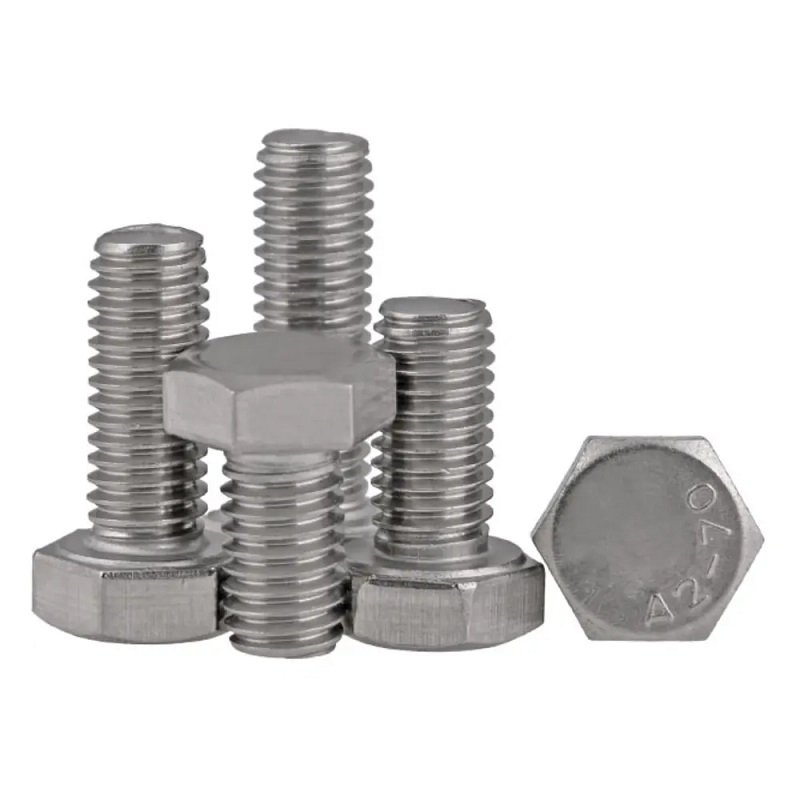
Choosing the right stainless steel grade is critical for the performance and longevity of your pisia. Common grades include 304 (austenitic), 316 (austenitic with higher corrosion resistance), and 410 (martensitic, magnetic). The selection depends heavily on the intended application and environmental conditions. For marine applications, for example, 316 stainless steel offers superior resistance to saltwater corrosion. Hebei dewell sweet oloa co., ltd offers a wide selection of grades to meet diverse needs.
Masani fusi pito ma a latou talosaga
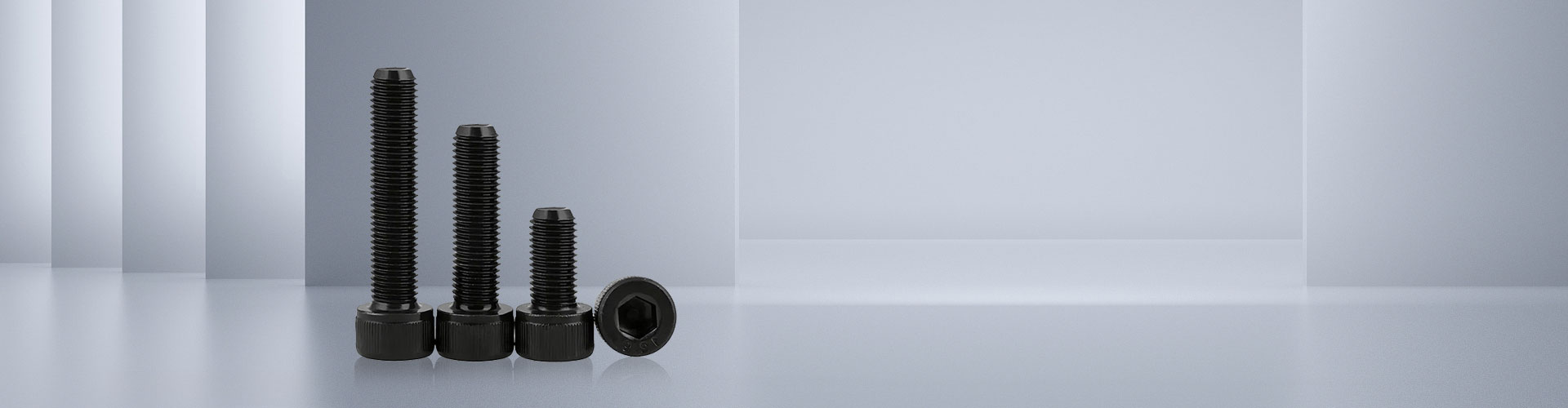
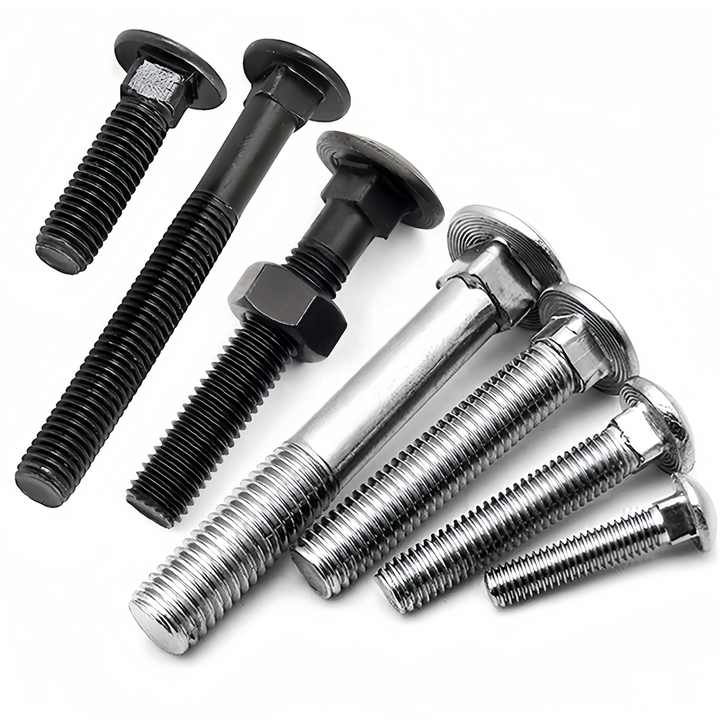
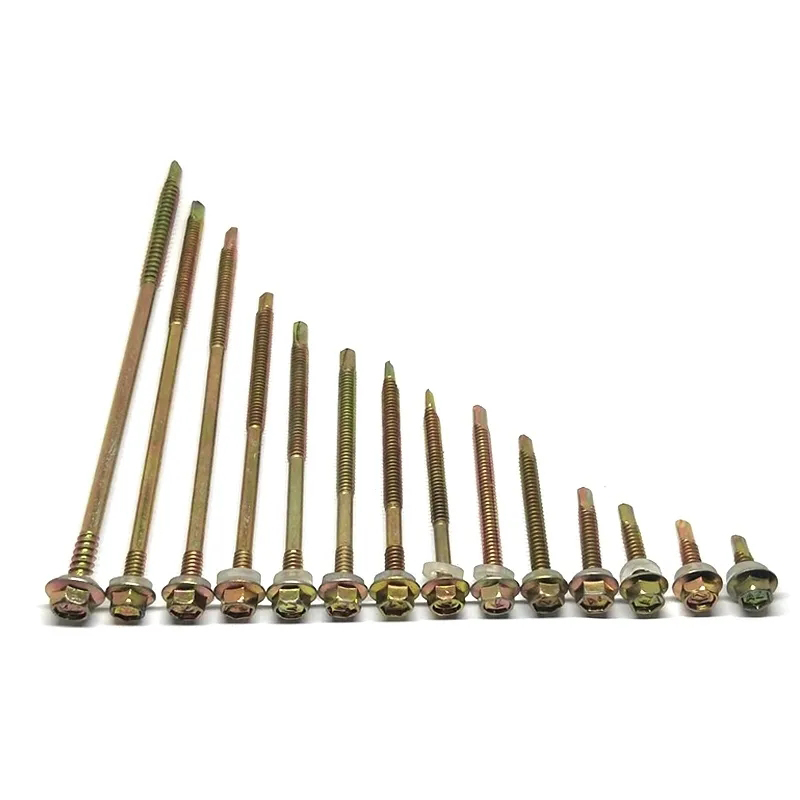
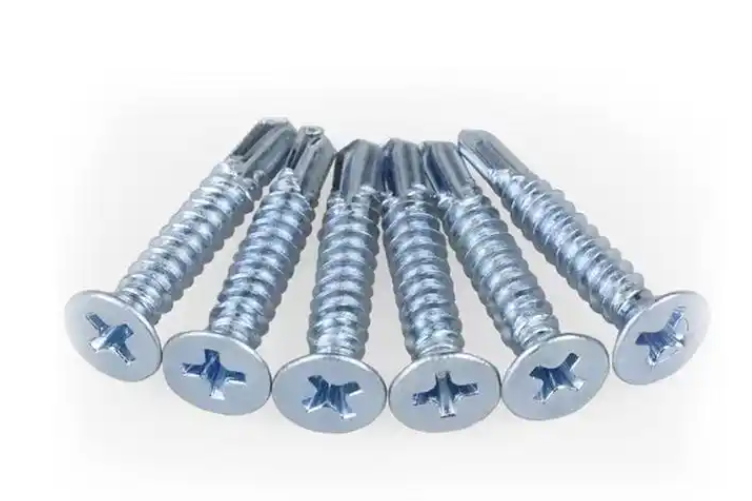
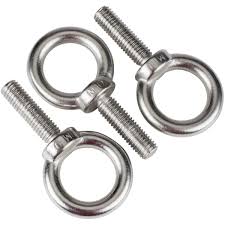
Various bolt types exist, each suited to specific applications. Hex bolts are the most common, offering versatility and ease of use. Machine screws are smaller and often used in machinery. Eye bolts feature a loop at one end, facilitating lifting and securing. Choosing the right type depends on the intended use and material being fastened.
| Bolt ituaiga | Talosaga | Meafaitino |
| Hex bolt | Lautele fusiua | Various stainless steel grades |
| Masini | Machinery, appliances | 304, 316 stainless steel |
| Mata mata | Lifting, securing | 304, 316 stainless steel |
Filifilia o se talitonuina Stainless Bolts Exporter
O tusipasi lelei ma tulaga faatonuina
Sue ane stainless bolts exporters with relevant certifications, such as ISO 9001 (quality management) and industry-specific standards. These certifications indicate a commitment to quality control and adherence to international best practices. Verify these certifications through the issuing organizations' websites. Checking for certifications adds a layer of assurance to your sourcing process.
Tatau ona faʻamoemoe ma le tuʻuina atu
Thorough due diligence is crucial. Research potential suppliers, check their online reviews, and request samples to assess quality. Confirm their manufacturing capabilities and their experience in exporting pisia. Clear communication and a well-defined contract are essential for a successful partnership. A robust vetting process mitigates risks associated with international trade.
Export Compliance and Logistics
Faʻavaomalo vaʻa ma faʻamaumauga
Understand the export regulations and documentation required for shipping pisia internationally. This includes proper labeling, customs declarations, and adherence to import regulations in your destination country. Working with a freight forwarder experienced in international trade simplifies this process significantly. Incorrect documentation can lead to delays or even seizure of your shipment.
Tariffs and Duties
Be aware of any tariffs or duties applicable to your shipment of pisia. These vary based on the destination country and the Harmonized System (HS) code of the product. Accurate HS code classification is vital to avoid unnecessary delays and charges. Consulting a customs broker or trade expert can be invaluable in navigating this complex landscape.
E ala i le iloiloina ma le faaeteete o mea nei, e mafai ona e mafai ona aoga maualuga maualuga pisia from a reliable exporter and ensure a successful international trade experience. Remember to always prioritize quality, compliance, and effective communication throughout the process.