Malamalama ma Faaaogaina Nylock Nats
O lenei malamalamaaga malamalama Nylock nuts, covering their design, applications, advantages, disadvantages, and how to choose the right one for your specific needs. We delve into the various types of Nylock nuts available and offer practical advice for their installation and usage.
O le a le nylock nut?
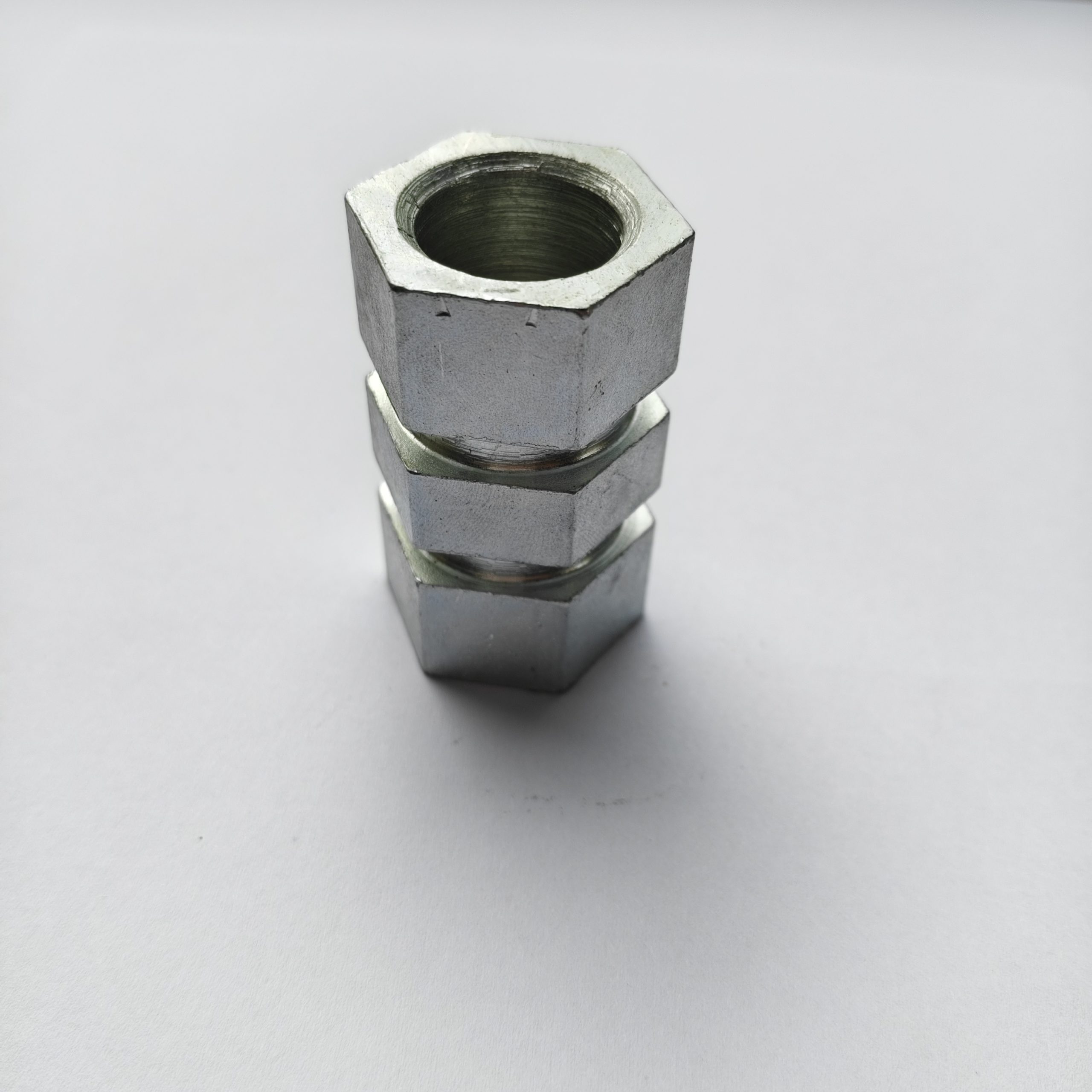
Nylock nuts, also known as self-locking nuts, are a type of fastener designed to resist loosening under vibration or stress. Unlike standard nuts that rely solely on friction, Nylock nuts incorporate a locking mechanism that prevents them from unscrewing. This mechanism typically involves a nylon insert or a specially treated surface.
Ituaiga o nylock natits
Ni ituaiga o Nylock nuts exist, each with unique characteristics:
Nylon faaofi loka nati
These nuts feature a nylon ring or insert that creates friction against the mating bolt threads, preventing loosening. The nylon insert deforms slightly upon tightening, providing a secure grip. These are widely used for general applications where moderate vibration resistance is needed.
Uma-uamea loka nati
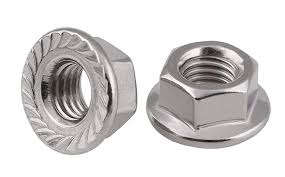
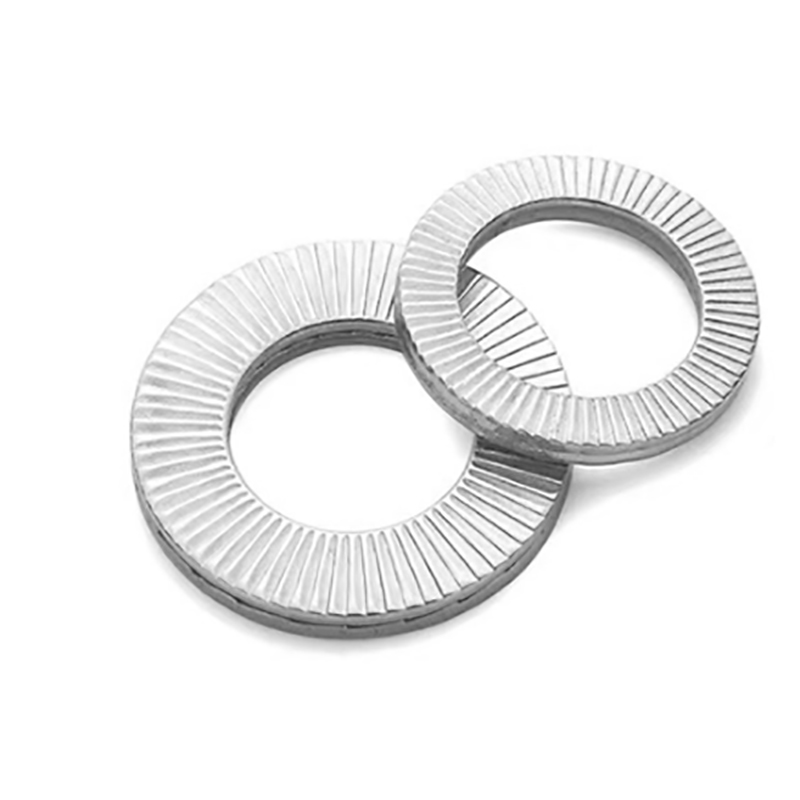
Unlike nylon insert types, all-metal Nylock nuts achieve their locking function through a specially treated surface or a unique thread design. This might involve a serrated or deformed thread profile that grips the bolt more securely. These are often preferred for higher-vibration environments or higher-temperature applications where nylon inserts might degrade.
Advantages and Disadvantages of Nylock Nuts
Let's weigh the pros and cons:
| Lelei | Le atoatoa |
| Gatete tetee | Can be more difficult to remove than standard nuts |
| Easy to install | May require higher torque to install |
| Tau-aoga | The nylon insert can be damaged by extreme temperatures or chemicals |
| Reusable (in many cases) | Locking strength can degrade over time or with repeated use |
Table 1: Comparison of Advantages and Disadvantages of Nylock Nuts
Filifilia o le sao nylock nut
Le filifiliga o le talafeagai Nylock nut depends heavily on the specific application. Factors to consider include the level of vibration, temperature range, material compatibility, and required torque. Consult relevant engineering standards and manufacturer specifications for detailed guidance. For high-strength applications, you might require specialized Nylock nuts designed to meet specific performance standards.
Installation and Usage
Faʻapipiʻi lelei le ki e faʻamautinoaina le lelei o le Nylock nuts. Always use the correct torque specified by the manufacturer. Over-tightening can damage the locking mechanism or the nut itself. When removing Nylock nuts, you might need to apply extra force, and in some cases, specialized tools.
For high-volume or specialized fastener needs, consider contacting a reputable supplier like Hebei dewell sweet oloa co., ltd for a wide range of Nylock nuts and other high-quality fasteners.
Faaiuga
Nylock nuts are invaluable components in numerous applications, providing essential vibration and loosening resistance. Understanding the different types available and their respective properties is crucial for selecting the right nut for your specific needs. Always prioritize proper installation techniques to maximize performance and longevity.