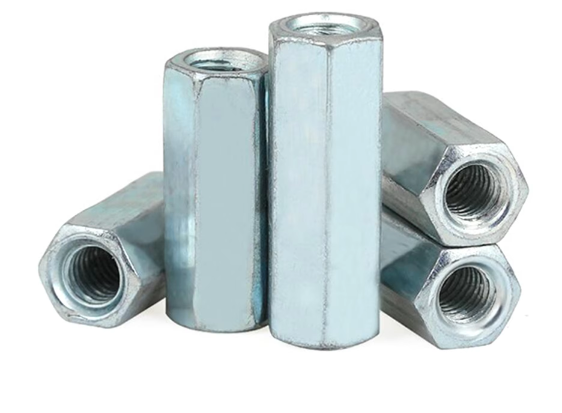
China Self Locking Nuts: A Comprehensive Guide
O lenei taiala e maua ai le lautele lautele o Saina lava loka nati, covering their types, applications, advantages, and selection criteria. We explore different materials, manufacturing processes, and industry standards to help you choose the right nut for your specific needs. Learn about the key features that differentiate self-locking nuts from standard nuts and how to ensure reliable performance in your applications.
Types of Self-Locking Nuts from China
Uma-uamea tagata-lokaina nati
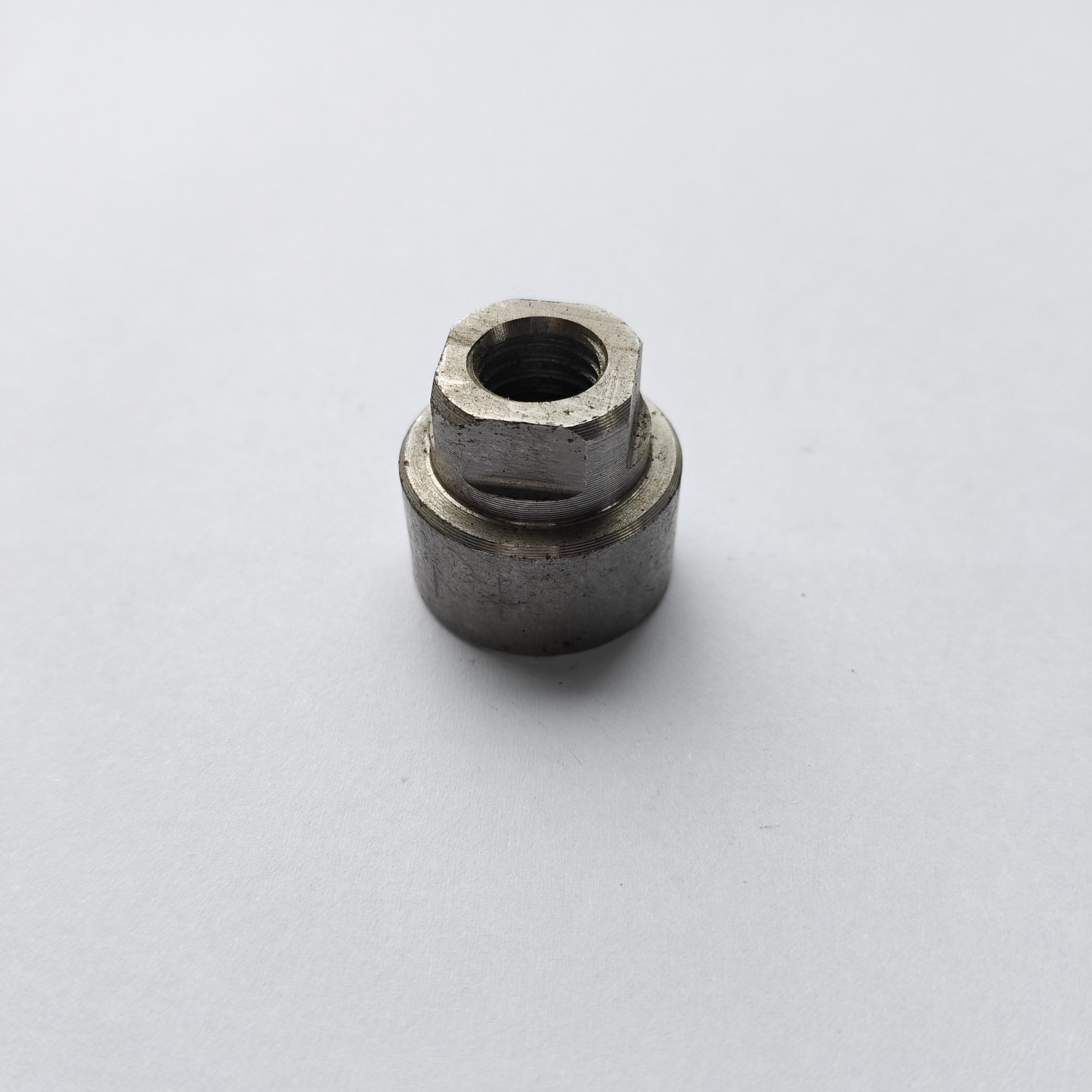
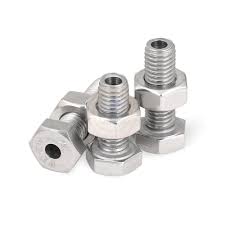
Uma-uamea Saina lava loka nati utilize mechanical features like deformed threads or inserts to prevent loosening under vibration or stress. These are robust and suitable for high-temperature applications. Common types include: All-metal self-locking nuts are widely used due to their high strength and reliability. They are often found in applications requiring resistance to high temperatures and vibrations, such as automotive and aerospace industries.
Nylon faaofi i le lava-lokaina nati
Nylon faaofi Saina lava loka nati employ a nylon insert within the nut to create friction and prevent loosening. These offer a good balance between cost-effectiveness and reliability. Nylon insert self-locking nuts are a popular choice for applications where vibration resistance is crucial but extreme temperatures are not a concern. They are often used in the general manufacturing and electronics industries. The nylon insert provides a degree of vibration dampening, making them suitable for applications prone to vibrations.
Isi Ituaiga
Other variations include: pre-vailing torque nuts, which use a special washer design to provide a clamping force that prevents loosening. There are also specialized self-locking nuts designed for specific applications, such as those used in harsh environments or with specific materials.
Filifilia o le sao-locacking nuc
Filifilia o le talafeagai Saina lava e leiloa nati faalagolago i le tele o mea:
- Talosaga Faapitoa: Consider the load, vibration, temperature, and environmental conditions.
- Mamanu Manu: Ensure the nut material is compatible with the bolt and the application environment.
- TOFOTI LELEI MA LE TUSI: Choose the correct thread size and type to match your application.
- O Tau Manatu: Balance cost with performance requirements.
Manatu Mea Moni
Saina lava loka nati are available in various materials, each with its own properties:
| Meafaitino | Lelei | Le atoatoa |
| Uamea | Maualuga le malosi, tumau | Susu i le malulu |
| Apa siliva | Tulaga lamatia, maualuga le malosi | Tau maualuga |
| Apamemea | O le 'olo malosi, lelei le eletise | Maualalo le malosi nai lo swel |
| Nylon | Malamalama lelei, lelei le gabrate dampting | Lower strength than metal |
Uiga ma tulaga faatonuina
A o mai Saina lava loka nati, it's crucial to ensure they meet relevant industry standards. Look for manufacturers that adhere to international standards such as ISO, DIN, or ANSI.
O fea e maua ai le faʻatuatuaina o tagata faʻatau
Mo tulaga maualuga Saina lava loka nati, consider sourcing from reputable manufacturers with a proven track record. One such supplier is Hebei dewell sweet oloa co., ltd, o se tautua tautua o niteti i Saina. Latou te ofoina atu se lautele lautele o Saina lava loka nati meeting various industry standards and application requirements. Their commitment to quality ensures reliable performance in various industries.
Manatua e faʻamuamua i taimi uma le lelei ma le faʻatuatuaina pe a filifilia se tagata faʻatau mo lau Saina lava e leiloa nati needs. Thoroughly research potential suppliers and check their certifications and customer reviews before placing an order.