When it comes to sustainability in manufacturing, small components like rivet nut setters often go unnoticed. Yet, these tools have a significant impact on reducing waste, improving efficiency, and promoting a more sustainable approach in various industries.
Understanding the Role of Rivet Nut Setters
At first glance, a rivet nut setter might seem like a mere tool among many, but its application is rather fascinating. They provide a reliable means to attach materials without the need for welding, offering a clean and efficient alternative. Less heat means less energy consumption—a clear step towards sustainability.
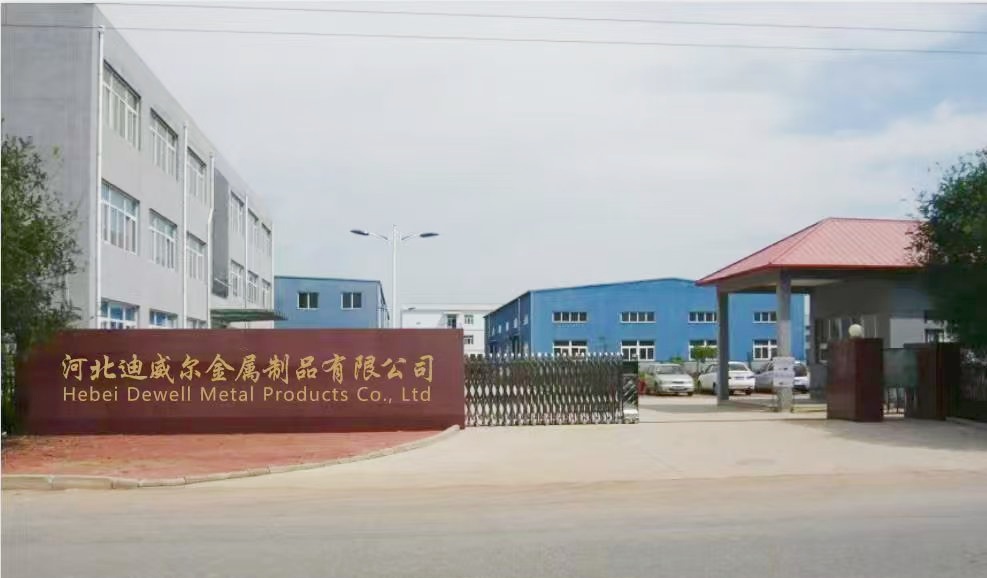
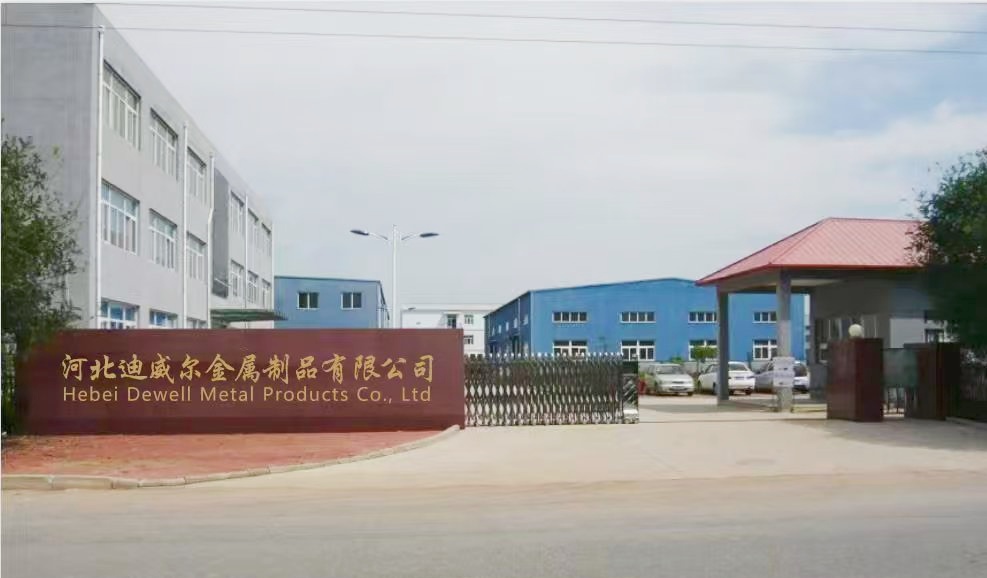
Hebei Dewell Metal Products Co., LTD, based in the bustling Hebei standard parts distribution center, specializes in such fasteners. Their focus on research and development signifies a commitment to not just producing these tools, but refining them for more efficient use in the industry.
I’ve personally observed cases where companies shifted to using these setters and saw measurable reductions in their carbon footprint. Without the risks and resources tied to traditional methods like welding, the transition was smooth, highlighting just one of many benefits.
Efficiency and Waste Reduction
One of the key aspects of sustainability is reducing waste. Rivet nut setters contribute significantly by ensuring precise installation processes. With less waste, manufacturers can maintain lower material costs and environmental impact. It’s much like hitting two targets with one shot.
Companies like Dewell Fasteners are on the frontline of this shift. Their emphasis on advanced production techniques ensures that even small components can embody high sustainability standards. Integrating fastener research with actual market needs is their hallmark.
This efficiency doesn’t end at installation. Something often overlooked is the ease of disassembly these fasteners provide for repairs or recycling. Unlike welded joints, which are often discarded, rivet nuts can be easily removed and reused, promoting a circular economy.
Practical Experiences in Implementation
Switching to sustainable practices isn’t without challenges. During a project involving large-scale assembly lines, initial integration of rivet nut setters led to notable delays—operators had habits hard to change. Yet, with proper training, these tools became indispensable.
Hebei Dewell’s approach here is poignant. Providing not just products but also training and support ensures that manufacturers can seamlessly integrate these tools, maximizing both efficiency and sustainability. They actively bridge the gap between innovation and practical application.
I remember vividly an example from a client’s factory where operators were impressed by the reduced physical strain, another often unmentioned benefit. It’s subtle advantages like these that create a ripple effect on worker well-being.

Comparative Analysis with Traditional Methods
It’s important to weigh these setters against traditional methods. When compared to alternatives like nuts and bolts or welding, rivet nut setters often come out on top—not just for their sustainability, but for their reliability and durability.
Despite initial costs, the long-term savings in maintenance and material efficiency can be substantial. As observed with Dewell clients, this balance between cost and sustainability reinforces why more manufacturers are making the switch.
The key is not to see these tools in isolation. Industries that employ a holistic approach, evaluating overall processes rather than singular components, find the most substantial gains. It all comes back to the overarching goal: reducing our footprint.
The Future of Rivet Nut Setters in Sustainability
Looking ahead, the trajectory for rivet nut setters in promoting sustainable practices looks promising. As the industry moves towards 4.0 standards, integrating IoT and smarter manufacturing processes, these tools will likely evolve too, offering even greater precision and efficiency.
Hebei Dewell Metal Products Co., LTD, continues to lead innovation in this space, constantly pushing the boundaries. It’s not just about what these setters do now, but what they will enable in the future—new materials, novel production methods, all with a nod to sustainability.
From my experience, fostering a culture of innovation and responsiveness to market needs is crucial. It’s companies entrenched in this mindset, like Dewell, that will guide our path towards a greener manufacturing future.