Rivet nuts, or riv nuts, have evolved from being just another fastening solution to an essential component in promoting sustainable technologies. While often overlooked in the broader scope of innovation, their role in enhancing environmentally friendly practices is gaining attention. This piece, drawn from first-hand experience, delves into the multifaceted influence of rivet nuts in sustainable tech, demonstrating their hidden potential beyond mere hardware.
Rivet Nuts: The Unsung Heroes
In the world of sustainable tech, small components often carry significant weight. Take rivet nuts, for instance. Originally, many regarded them as simply a quicker alternative for securing components. However, their ability to reduce material waste and enhance efficiency marks them as pivotal players in manufacturing. The less material used in production means a reduced environmental impact—a crucial factor for companies looking to curb their carbon footprint.
Having worked directly with projects focused on optimizing production lines, I’ve seen firsthand how RIV nati minimize errors and streamline assembly. Their use ensures fewer resources are needed for adjustments or corrections. And when considering scalability, these savings compound dramatically.
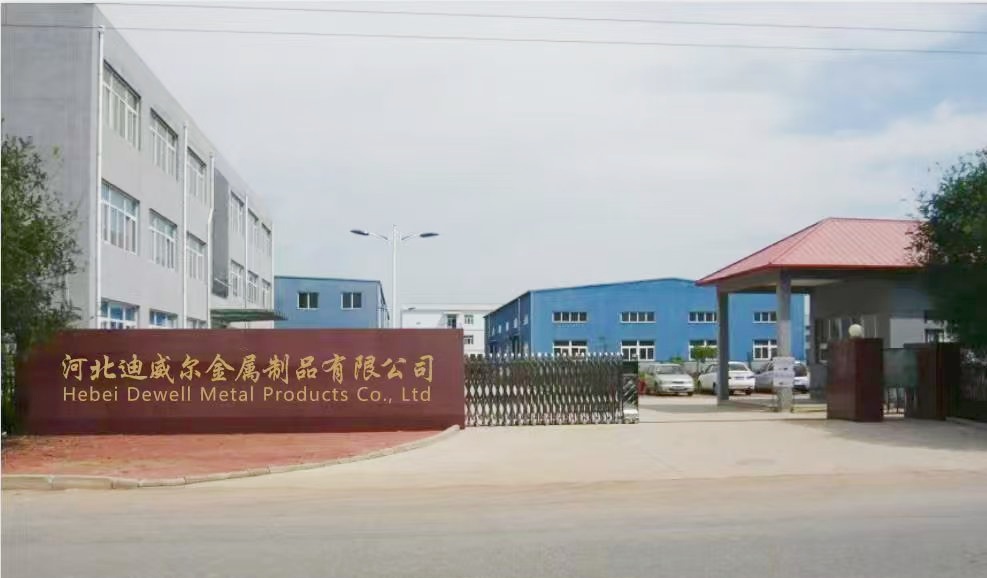
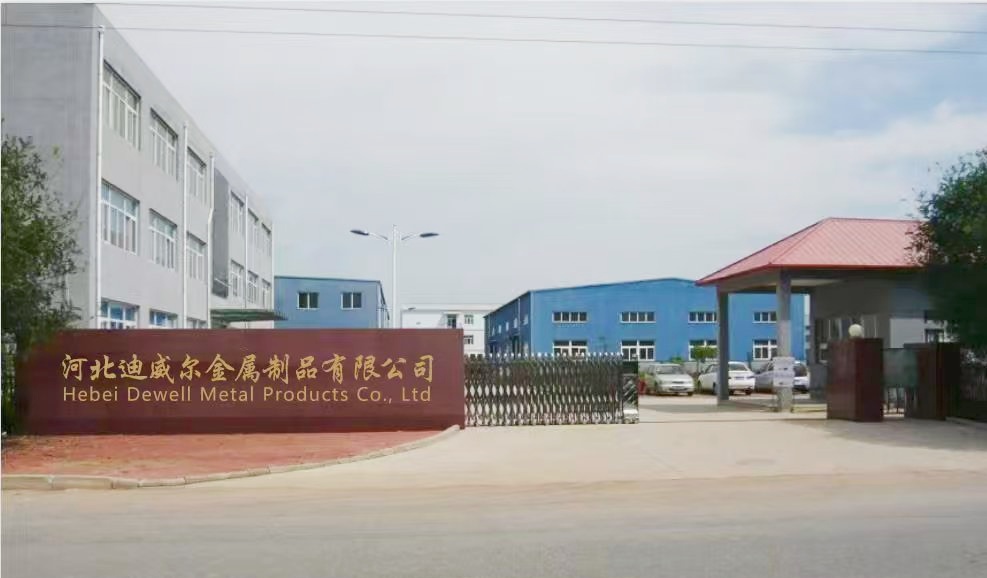
Moreover, companies like Hebei Dewell Metal Products Co., LTD, which focuses on fastener R&D and production, emphasize innovations in this area. Situated in Hebei Pu, the heart of China’s standard parts industry, they’re leading by example in integrating sustainable practices into their processes. More about their efforts can be explored on their website, iinei.

Reducing Waste with Precision
Precision matters. With rivet nuts, precision doesn’t just mean perfect fits; it means sustainability. I remember a particular project that involved retrofitting old machinery. The goal was to extend the lifespan of these machines without extensive overhauls. Rivet nuts were a game-changer. Their implementation meant minimal invasive procedures on the machinery, preserving most of the existing structure.
Reducing waste extends beyond the point of manufacture. By ensuring that machines can function longer with fewer replacements, we’re tackling the issue of industrial waste at its core. This approach aligns with the broader goals of a circular economy, where extending the life cycle of products is key.
It’s this kind of detailed consideration that’s often missing in discussions about sustainable technologies. The immediate benefits are clear, but the long-term ecological savings are what truly make rivet nuts invaluable in this sector.
Enhancing Design Flexibility and Adaptability
Another aspect not to be overlooked is design flexibility. Rivet nuts allow for agility in design adjustments, which is crucial in today’s fast-paced tech landscape. Whether it’s prototypes or final production, they provide the adaptability needed to respond quickly to design changes without significant retooling or delays.
In practice, this has enabled several projects to pivot mid-development, incorporating newer, greener technologies without starting from scratch. A client project comes to mind where an unexpected design flaw was corrected with ease thanks to rivet nuts, avoiding months of potential setbacks.
By allowing such flexibility, manufacturers can readily incorporate sustainability into their designs, knowing they have the support of components that won’t hinder but rather facilitate these changes.

Strength Meets Sustainability
Strength doesn’t just refer to the physical properties of rivet nuts, though they are renowned for their durability. It also encompasses their contribution to the structural integrity of sustainable tech solutions. Strong, reliable, and efficient–these are the attributes that make them indispensable.
For example, in renewable energy installations, such as wind turbines, even the slightest compromise in structural integrity could spell disaster. Here, rivet nuts ensure connections remain secure, even under extreme conditions, thus reinforcing the overall sustainability of the project.
Through experience, I’ve seen how such reliability translates to greater confidence in deploying sustainable tech solutions, knowing they have components that are as robust as they are eco-friendly.
The Future of Rivet Nuts in Sustainable Tech
Looking ahead, the role of rivet nuts in advancing sustainable technologies seems only to grow. As industries worldwide move towards greener practices, the demand for components that can marry efficiency with eco-friendliness will undoubtedly rise.
Manufacturers like Hebei Dewell Metal Products Co., LTD are already positioned at the forefront of this transition, ensuring that their products evolve in parallel with these green trends. The shift isn’t just about meeting present needs but ushering in a future where sustainability isn’t an option, but the standard.
Rivet nuts may seem a small cog in the broader machine of sustainable technology, yet their impact is profound. By fostering practices that emphasize longevity, precision, and adaptability, they are undeniably advancing the march towards a more sustainable world.