A pull rivet nut, also known as a blind rivet nut or threaded insert, is a high-strength fastener designed to create durable internal threads in thin-walled materials such as sheet metal, aluminum profiles, and plastic housings. Unlike traditional welding nuts, pull rivet nuts are installed from one side of the workpiece using a specialized pneumatic or hydraulic tool, making them ideal for applications where rear access is impossible. This component provides superior torque resistance and vibration locking capabilities, ensuring structural integrity in automotive, aerospace, and industrial manufacturing sectors.
What Is a Pull Rivet Nut and How Does It Work?
In modern assembly lines, the demand for lightweight yet robust connections has surged. The pull rivet nut addresses this need by combining the ease of installation of a blind rivet with the functionality of a threaded nut. Understanding its mechanics is crucial for engineers and procurement specialists aiming to optimize production efficiency.
The Mechanical Principle of Installation
The installation process relies on axial force rather than radial expansion alone. When a pull rivet nut is inserted into a pre-drilled hole, a mandrel within the installation tool engages the internal threads or a specific pulling feature of the nut. As the tool activates, it pulls the mandrel, causing the rear end of the rivet nut to deform and bulge outward. This deformation clamps the material between the head of the nut and the expanded rear section, creating a secure, vibration-resistant joint.
- Insertion: The nut is placed into a precisely drilled hole in the base material.
- Pulling: The tool exerts axial tension, deforming the tail end against the backside of the workpiece.
- Locking: The material is compressed firmly, preventing rotation and pull-out.
- Ejection: The mandrel breaks off or is retracted, leaving the threaded insert ready for use.
This one-sided installation capability significantly reduces assembly time compared to welding or self-clinching methods that often require secondary operations or access to both sides of the panel.
Key Components of the System
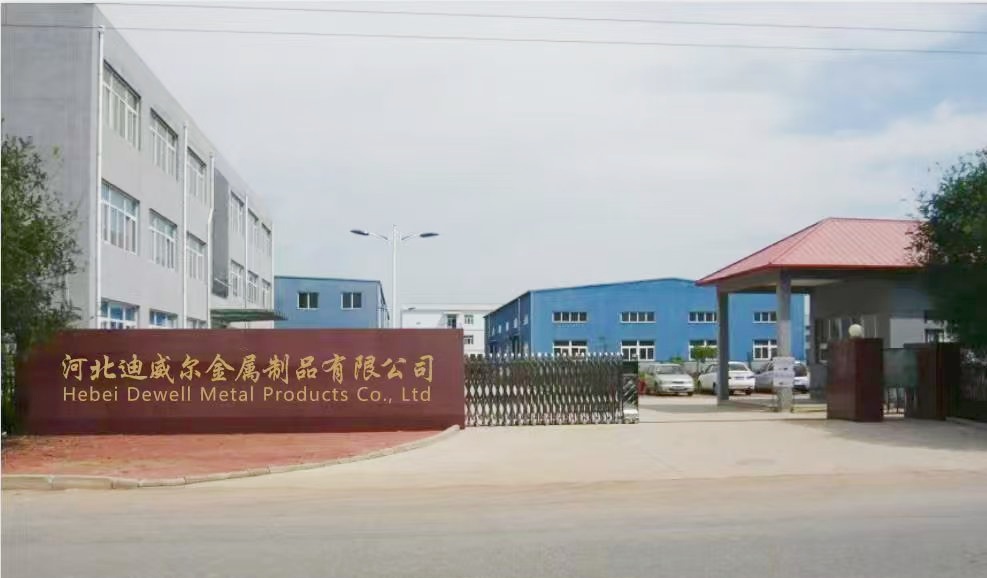
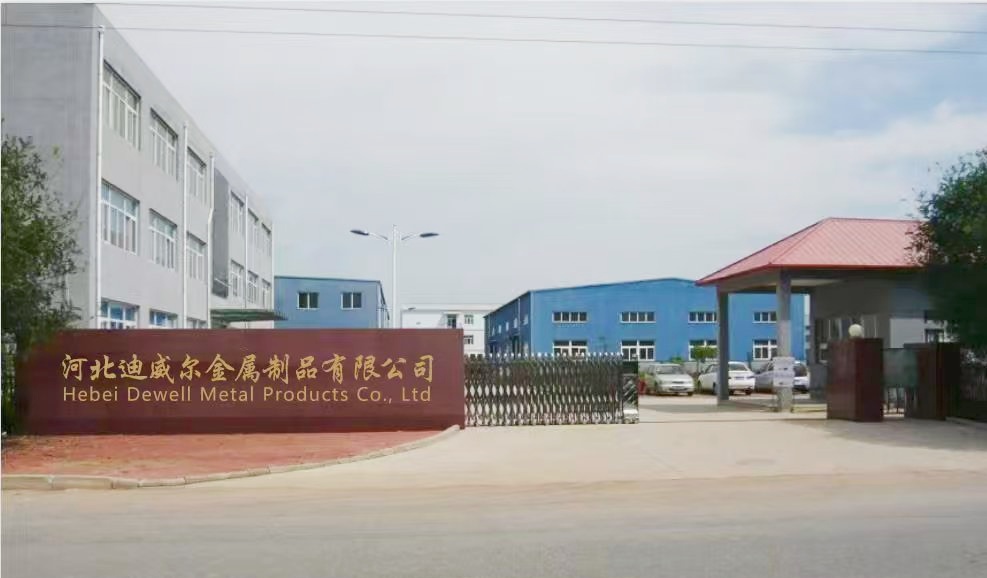
A complete pull rivet nut system consists of three main elements: the rivet nut itself, the base material, and the installation tool. The quality of the connection depends heavily on the precision of each component. At Hebei Dewell Metal Products Co., LTD, our R&D departments focus extensively on the tolerance coordination between these elements. Located in Yongnian District, Handan City—the largest standard parts distribution center in China—Dewell leverages its strategic position to source high-grade raw materials and implement rigorous quality control protocols.
Types of Pull Rivet Nuts and Their Applications
Selecting the correct type of pull rivet nut is critical for achieving the desired load-bearing capacity and aesthetic finish. Different designs cater to specific material thicknesses and strength requirements.
Standard Round Body Rivet Nuts
The most common variant, featuring a cylindrical body. These are suitable for general-purpose applications in steel and aluminum sheets. They offer balanced performance in terms of push-out strength and torque resistance.
Hexagonal and Square Body Rivet Nuts
These designs incorporate external flats that bite into the base material during installation. This feature provides exceptional anti-rotation stability, making them ideal for high-torque applications such as engine mounts or heavy machinery assemblies where lateral forces are significant.
Knurled Body Rivet Nuts
Featuring external knurling, these nuts enhance grip in softer materials like plastics or thin aluminum. The knurls prevent the nut from spinning during the tightening of the mating screw, ensuring a reliable thread engagement.
Countersunk and Flush Head Designs
For applications requiring a smooth surface finish, countersunk pull rivet nuts sit flush with the material surface. This is particularly important in automotive exterior panels and consumer electronics where aerodynamics or aesthetics are prioritized.
Material Selection and Surface Treatments
The longevity of a fastened joint is directly influenced by the material composition and surface treatment of the pull rivet nut. Corrosion resistance, electrical conductivity, and tensile strength are key factors in material selection.
| Material Type |
Characteristics |
Typical Applications |
| Carbon Steel |
High tensile strength, cost-effective, requires coating for corrosion resistance. |
Automotive chassis, industrial machinery, structural steel frames. |
| Stainless Steel (A2/A4) |
Excellent corrosion resistance, good strength, non-magnetic (A4). |
Marine environments, food processing equipment, outdoor signage. |
| Aluminum Alloy |
Lightweight, natural corrosion resistance, lower strength than steel. |
Aerospace components, electronic enclosures, lightweight vehicle bodies. |
| Copper/Brass |
High electrical conductivity, antimicrobial properties, soft material. |
Electrical grounding points, decorative fixtures, plumbing applications. |
Surface Treatment Options
To enhance durability and appearance, pull rivet nuts undergo various surface treatments. Zinc plating is widely used for carbon steel due to its balance of cost and protection. For harsher environments, zinc-nickel or dacromet coatings provide superior salt-spray resistance. Hebei Dewell Metal Products Co., LTD operates its own surface treatment plants, allowing for strict control over coating thickness and adhesion quality. This vertical integration ensures that every batch meets international standards such as ISO 9227 for corrosion testing.
Why Choose Hebei Dewell Metal Products Co., LTD?
In the competitive landscape of global fastener manufacturing, reliability and scale matter. Since its establishment in 2015, Hebei Dewell Metal Products Co., LTD has evolved into a modern enterprise integrating science, industry, and trade. Our commitment to “integrity first, quality first” is not just a slogan but a operational mandate embedded in our production workflow.
Advanced Manufacturing Capabilities
Our factory spans over 10 acres and houses more than 60 large-scale production units. This infrastructure supports the mass production of over 400 varieties of fasteners, including bolts, nuts, stamped parts, and specialized pull rivet nuts. With two dedicated research and development departments, we continuously innovate to meet the evolving needs of domestic and international clients. Our R&D team focuses on optimizing thread forming processes and enhancing the fatigue life of our products.
Global Reach and Logistics Efficiency
Located in Handan City, Hebei Province, we benefit from proximity to major logistics hubs. Our facility includes container freight transfer stations, enabling efficient export operations to Japan, South Korea, Europe, America, and Southeast Asia. We have established more than 30 sales and service outlets nationwide, ensuring rapid response to customer inquiries and technical support needs. With total assets of 130 million yuan and a workforce of over 100 employees, Dewell is positioned to handle large-volume orders without compromising on lead times or quality consistency.
Quality Assurance and Standards Compliance
We strictly organize production according to national and international standards. Our quality control process involves multiple stages, from raw material inspection to final dimensional verification. By adhering to the policy of “quality first, customer first, and reputation first,” we aim to promote the spirit of screws and bring standardized excellence to the industry. Our products are trusted by numerous foreign customers who value our ability to deliver win-win results through consistent performance.
Technical Parameters and Selection Guide
Choosing the right pull rivet nut involves analyzing several technical parameters. Engineers must consider the base material thickness, hole diameter, and required load capacity.
Critical Dimensions
- Grip Range: The range of material thicknesses the nut can accommodate. Selecting a nut with a grip range that matches your panel thickness is vital for proper formation.
- Hole Diameter: Must be precise. Too large, and the nut will spin; too small, and installation will fail or damage the material.
- Thread Size: Standard metric (M3-M12) and imperial (#4-40 to 1/2-13) sizes are available. Ensure compatibility with the mating screw.
- Outer Diameter (OD): Determines the size of the hole required and the surface area for load distribution.
Load Bearing Considerations
Two primary failure modes exist for pull rivet nuts: pull-out and push-out. Pull-out strength refers to the force required to pull the nut out of the hole axially. Push-out strength is the force required to push the nut through the hole. High-quality manufacturing, such as that practiced at Dewell, ensures optimal wall thickness and material hardness to maximize these values.
| Parameter |
Impact on Performance |
Recommendation |
| Material Hardness |
Affects thread stripping resistance and installation ease. |
Match nut hardness to base material; avoid overly hard nuts in soft alloys. |
| Wall Thickness |
Influences pull-out strength and weight. |
Thicker walls for high-load applications; thinner for weight-sensitive aerospace uses. |
| Head Style |
Determines surface finish and clearance. |
Use flush heads for aerodynamic surfaces; hex heads for high-torque needs. |
Common Installation Errors and Troubleshooting
Even the highest quality pull rivet nut can fail if installed incorrectly. Understanding common pitfalls helps maintain production efficiency and product reliability.
Incorrect Hole Size
The most frequent error is drilling holes that are out of tolerance. A hole that is too large prevents the nut from gripping the material, leading to rotation during screw insertion. Conversely, a hole that is too small can cause the nut to buckle improperly or crack the base material. Always use sharp, high-quality drill bits and verify hole diameters regularly.
Improper Tool Setting
Pneumatic and hydraulic tools must be calibrated to the specific nut size and material. Insufficient pulling force results in incomplete formation, while excessive force can strip the threads or distort the nut. Regular maintenance of installation tools is essential to ensure consistent pressure delivery.
Material Deformation
In very thin sheets, the installation process can cause visible bulging on the visible side. To mitigate this, consider using low-profile rivet nuts or reinforcing the area with a backing plate if design constraints allow. Dewell’s engineering team can provide consultation on minimizing visual distortion for aesthetic-critical applications.
Industry Applications and Case Insights
Pull rivet nuts are versatile components found across various industries. Their ability to provide strong threads in thin materials makes them indispensable in modern manufacturing.
Automotive Industry
Vehicles utilize thousands of pull rivet nuts for attaching brackets, interior panels, and electrical components. The vibration resistance of these fasteners is crucial for passenger safety and comfort. Dewell supplies automotive-grade fasteners that meet stringent OEM specifications, ensuring durability under dynamic loading conditions.
Electronics and Appliances
In consumer electronics, space is at a premium. Pull rivet nuts allow for secure mounting of PCBs and chassis components in thin aluminum or plastic enclosures. The clean installation process avoids the heat damage associated with welding, protecting sensitive electronic parts.
Construction and HVAC
HVAC systems often involve ductwork made of thin galvanized steel. Pull rivet nuts provide a reliable method for attaching hangers, sensors, and access panels without compromising the integrity of the duct. Their corrosion-resistant coatings ensure long-term performance in humid environments.
Frequently Asked Questions (FAQ)
What is the difference between a pull rivet nut and a press-in rivet nut?
A pull rivet nut is installed by pulling a mandrel to deform the rear end, creating a clamp from one side. A press-in rivet nut is typically pressed into a hole and relies on radial expansion or knurling for retention. Pull rivet nuts generally offer higher pull-out strength and are better suited for thinner materials.
Can pull rivet nuts be removed?
Removal is difficult and usually destructive. The nut must be drilled out, which may damage the base material. Therefore, they are considered permanent fasteners. Proper selection and installation are critical to avoid the need for removal.
How do I choose the right grip range?
Measure the total thickness of the materials being joined. Select a rivet nut whose specified grip range includes this measurement. If the material is thinner than the minimum grip, the nut will not form correctly. If thicker than the maximum, the nut may not pull up fully.
Are Dewell’s pull rivet nuts compatible with standard installation tools?
Yes, our pull rivet nuts are designed to comply with international dimensional standards. They are compatible with most major brands of pneumatic and hydraulic installation tools. However, we recommend testing with your specific tool setup to optimize performance.
What certifications does Hebei Dewell hold?
As a modern enterprise integrating science, industry, and trade, Dewell adheres to strict national and international standards. Our production processes are organized to meet ISO quality management requirements, and our products are exported to regulated markets in Europe, America, and Asia, reflecting our commitment to global compliance.
Conclusion: Securing Your Supply Chain with Precision Fasteners
Pull rivet nuts are more than just simple fasteners; they are engineered solutions for complex assembly challenges. Whether you are designing lightweight automotive structures, durable industrial machinery, or sleek consumer electronics, the right choice of threaded insert can significantly impact product performance and manufacturing efficiency.
At Hebei Dewell Metal Products Co., LTD, we combine decades of industry experience with modern manufacturing capabilities to deliver fasteners that meet the highest standards of quality and reliability. From our advanced R&D departments in Handan to our global logistics network, we are dedicated to supporting your success. Our diverse product range, encompassing over 400 varieties, ensures that you find the exact solution for your application.
For engineers and procurement managers seeking a partner who values integrity, quality, and reputation, Dewell offers a compelling advantage. We invite you to explore our comprehensive catalog and discuss your specific requirements with our technical team.
Ready to optimize your assembly process? Contact Hebei Dewell Metal Products Co., LTD today for custom solutions, detailed parameter sheets, and competitive pricing. Let us help you build stronger, more efficient products.
View Related Products and Technical Solutions