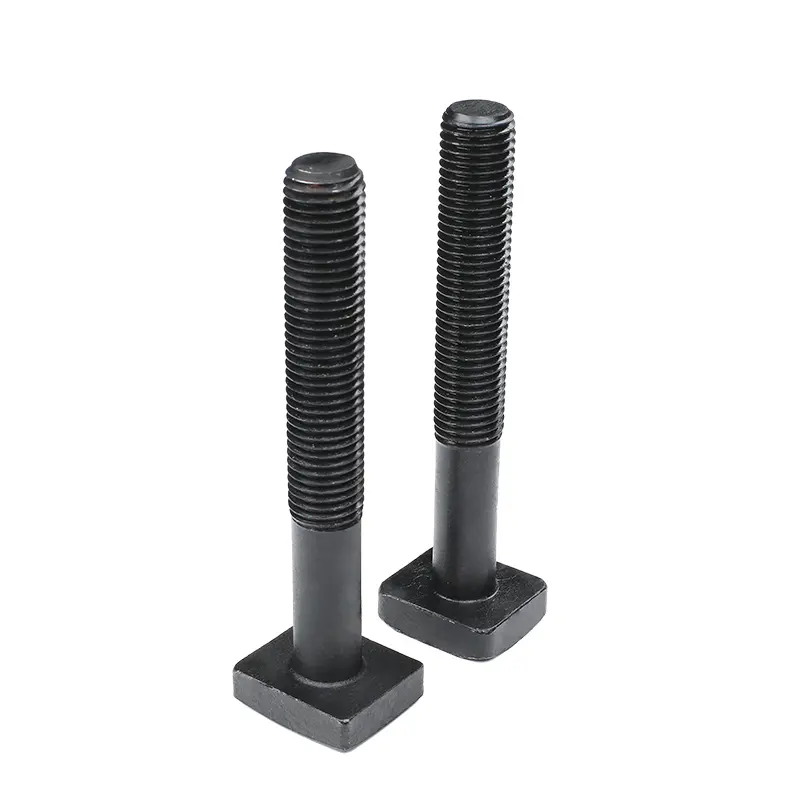
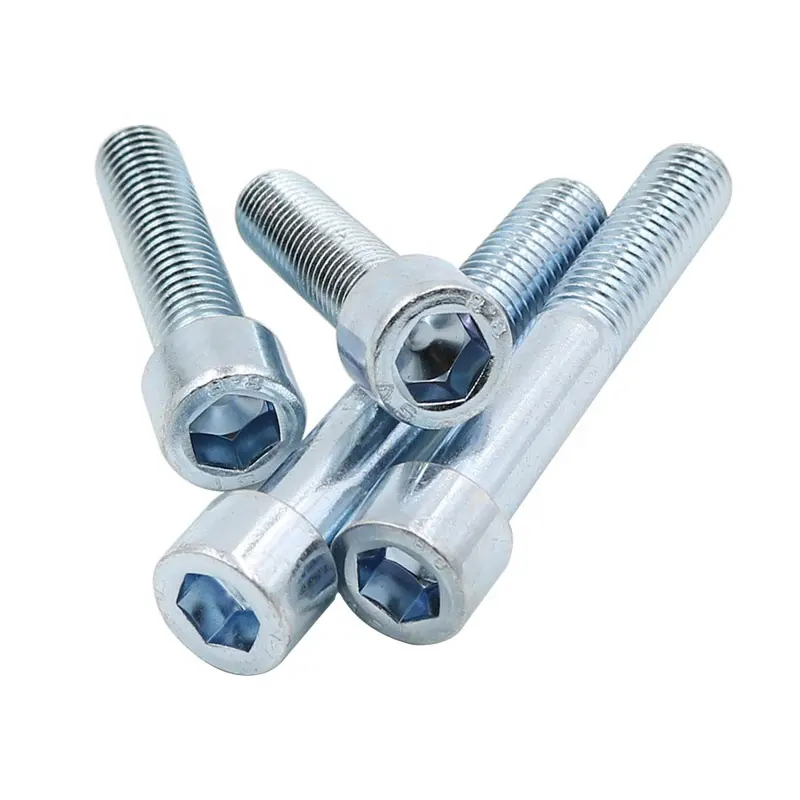
A non metallic embedded locking nut is a specialized fastener designed to prevent loosening under vibration and dynamic loads. It features a non-metallic insert, typically nylon, integrated into the threaded bore. This insert creates friction against the mating bolt, ensuring a secure hold without the need for additional lock washers or adhesives. As a premier manufacturer, Hebei Dewell Metal Products Co., LTD delivers high-precision locking solutions that meet international standards for automotive, aerospace, and industrial applications.
What Is a Non Metallic Embedded Locking Nut?
The non metallic embedded locking nut, often referred to as a nylon insert lock nut or Nyloc nut, represents a critical advancement in fastening technology. Unlike standard hex nuts, which rely solely on torque for retention, this component utilizes a deformable non-metallic collar. When the nut is tightened onto a bolt, the nylon insert compresses against the male threads. This compression generates radial pressure and significant friction, effectively locking the nut in place.
This design addresses a common engineering challenge: vibrational loosening. In machinery, vehicles, and structural assemblies, constant movement can cause standard nuts to back off over time. The embedded nylon ring acts as a resilient barrier, maintaining tension even when subjected to shock and vibration. At Hebei Dewell Metal Products Co., LTD, our production lines in Yongnian District are optimized to ensure consistent insert placement and thread integrity, guaranteeing reliable performance across diverse environments.
Core Components and Material Composition
Understanding the construction of these fasteners is essential for proper selection. The nut consists of two primary materials:
- Metal Body: Typically made from carbon steel, stainless steel (304 or 316), or alloy steel. The body provides the structural strength required to withstand tensile and shear forces.
- Non-Metallic Insert: Usually composed of nylon 6/6 or other polyamide materials. This insert is heat-resistant and self-lubricating, allowing for repeated installation and removal while maintaining locking torque.
The integration of these materials requires precise manufacturing. The nylon ring must be embedded securely during the forming process to prevent dislodgement during installation. Our R&D departments focus on optimizing the bonding interface between the metal and the polymer, ensuring that the insert remains stable under extreme thermal and mechanical stress.
How Does a Non Metallic Embedded Locking Nut Work?
The working principle of a non metallic embedded locking nut relies on elastic deformation and frictional resistance. When the nut is threaded onto a bolt, the diameter of the nylon insert is slightly smaller than the pitch diameter of the nut’s threads. As the bolt passes through the insert, the nylon stretches elastically.
This stretching creates a normal force perpendicular to the thread flanks. According to physics principles, this normal force generates friction that opposes rotational motion. Consequently, the nut resists backing off unless an external torque greater than the locking torque is applied. This mechanism is passive, meaning it requires no active maintenance once installed correctly.
Key Mechanical Advantages
Engineers prefer these locking nuts for several reasons:
- Vibration Resistance: They maintain clamp load in high-vibration environments, such as engines and conveyor systems.
- Reusability: Unlike chemical lockers or single-use deformation nuts, nylon insert nuts can often be reused multiple times, provided the insert remains intact.
- Sealing Properties: The nylon insert can provide a slight seal against moisture and contaminants, protecting the threaded connection from corrosion.
- No Additional Hardware: They eliminate the need for separate lock washers, simplifying assembly processes and reducing inventory complexity.
Manufacturing Excellence at Hebei Dewell Metal Products
Located in Handan City, Hebei Province—the largest standard parts distribution center in China—Hebei Dewell Metal Products Co., LTD has established itself as a leader in fastener innovation since 2015. Our facility spans over 10 acres and houses more than 60 large-scale production units. This infrastructure allows us to control every stage of the manufacturing process, from raw material sourcing to final surface treatment.
We integrate science, industry, and trade to deliver products that meet rigorous global standards. Our two dedicated research and development departments continuously analyze market trends and technical requirements. By adhering to the philosophy of “integrity first, quality first,” we ensure that every non metallic embedded locking nut leaving our factory meets exacting specifications for thread tolerance, insert hardness, and overall durability.
Production Capabilities and Quality Control
Our manufacturing process involves advanced cold forging and precision machining techniques. We utilize automated equipment to embed the nylon rings with micron-level accuracy. This precision is crucial because any misalignment can compromise the locking torque or damage the bolt threads during installation.
Quality assurance is embedded in our workflow. Each batch undergoes strict testing for:
- Locking Torque: Ensuring the nut provides sufficient resistance to loosening.
- Proof Load: Verifying the nut can withstand specified tensile forces without failure.
- Insert Integrity: Checking for cracks or displacement in the nylon ring.
With total assets of 130 million yuan and a team of over 100 employees, we have the capacity to handle large-volume orders while maintaining consistent quality. Our products are exported to Japan, South Korea, Europe, America, and Southeast Asia, reflecting our commitment to international standards.
Types and Specifications of Non Metallic Locking Nuts
Selecting the right locking nut depends on the application’s specific requirements. Various types exist, differentiated by shape, material, and performance grade.
Common Configurations
| Type |
Description |
Typical Application |
| Hex Nylon Insert Lock Nut |
Standard hexagonal shape with a nylon collar at one end. |
General machinery, automotive assemblies, construction. |
| Flanged Nylon Lock Nut |
Features an integrated flange that distributes load over a wider area. |
Applications requiring a bearing surface without separate washers. |
| High-Temperature Lock Nut |
Uses specialized polymer inserts resistant to higher thermal loads. |
Engine components, exhaust systems, industrial ovens. |
| Stainless Steel Lock Nut |
Made from A2 or A4 stainless steel for corrosion resistance. |
Marine environments, chemical processing, food industry. |
Material Selection Guide
The choice of material significantly impacts the nut’s performance. Carbon steel nuts, often zinc-plated or galvanized, offer high strength and cost-effectiveness for general industrial use. Stainless steel variants, such as 304 and 316, are essential for corrosive environments. For high-stress applications, alloy steel nuts with heat treatment provide superior tensile strength.
At Dewell Company, we produce over 400 varieties of products, including bolts, nuts, and stamped parts. This extensive catalog allows us to provide comprehensive fastening solutions tailored to specific client needs. Whether you require standard DIN, ISO, ANSI, or JIS specifications, our production lines are configured to deliver precise compliance.
Application Scenarios for Embedded Locking Nuts
Non metallic embedded locking nuts are versatile components used across numerous industries. Their ability to secure connections without additional locking devices makes them ideal for automated assembly lines and field maintenance.
Automotive Industry
In vehicles, vibrations from the engine and road surface are constant. Locking nuts are used in suspension systems, wheel hubs, and engine mounts. The reliability of these fasteners is critical for safety. Our products meet the stringent quality demands of automotive manufacturers in Europe and America, ensuring long-term durability under dynamic loads.
Aerospace and Aviation
Aerospace applications demand lightweight yet robust fastening solutions. While specialized aerospace nuts exist, many ground support equipment and interior assemblies utilize high-grade nylon insert nuts. The reusability factor is particularly valuable in maintenance scenarios where components are frequently inspected and replaced.
Industrial Machinery and Manufacturing
Conveyor belts, pumps, motors, and robotic arms all generate vibration. Standard nuts can loosen, leading to equipment failure or safety hazards. Embedded locking nuts provide a dependable solution that reduces downtime and maintenance costs. Our surface treatment plants ensure that these nuts resist wear and corrosion in harsh industrial environments.
Construction and Infrastructure
From steel structures to HVAC systems, locking nuts secure critical connections. In outdoor settings, corrosion resistance is paramount. We offer galvanized and stainless steel options to withstand weather exposure, ensuring the structural integrity of buildings and bridges over decades.
Installation Best Practices and Common Errors
Proper installation is vital to achieving the desired locking performance. Even the highest quality nut can fail if installed incorrectly. Following best practices ensures optimal functionality and longevity.
Step-by-Step Installation Guide
- Inspect Threads: Ensure both the bolt and nut threads are clean and free of debris. Damaged threads can strip the nylon insert.
- Hand Start: Begin threading the nut by hand to ensure proper alignment. Do not use power tools initially, as cross-threading can destroy the insert.
- Tighten to Specification: Use a torque wrench to tighten the nut to the recommended torque value. The nylon insert will create resistance; this is normal and indicates the locking mechanism is engaging.
- Avoid Over-Tightening: Excessive torque can stretch the bolt beyond its yield point or damage the nylon insert, reducing its locking capability.
Common Mistakes to Avoid
- Using Damaged Inserts: Never use a nut with a cracked or missing nylon ring. It will not provide adequate locking torque.
- Reusing Worn Nuts: If the nylon insert shows significant wear or deformation after removal, replace the nut. Reusing damaged nuts compromises safety.
- Ignoring Temperature Limits: Standard nylon inserts have temperature limits (typically up to 120°C/250°F). For higher temperatures, use specialized high-heat inserts.
- Mixing Standards: Ensure the nut and bolt adhere to the same thread standard (e.g., metric vs. imperial). Mismatched threads will not engage properly.
Comparison: Non Metallic vs. Other Locking Methods
When designing an assembly, engineers often compare various locking methods. Understanding the differences helps in selecting the most appropriate solution.
| Feature |
Non Metallic Embedded Nut |
Metal Lock Washer |
Chemical Thread Locker |
| Installation Ease |
High (Single component) |
Medium (Two components) |
Low (Requires curing time) |
| Reusability |
Good (Multiple uses) |
Poor (Often deforms) |
Poor (Single use) |
| Vibration Resistance |
Excellent |
Good |
Excellent |
| Temperature Resistance |
Moderate (Limited by nylon) |
High |
Varies by chemical |
| Corrosion Risk |
Low (Seals threads) |
High (Traps moisture) |
Low |
As shown, non metallic embedded locking nuts offer a balanced combination of ease of use, reusability, and performance. They are particularly advantageous in assemblies where disassembly for maintenance is anticipated.
Why Choose Hebei Dewell Metal Products Co., LTD?
In a competitive global market, choosing the right supplier is as important as selecting the right product. Hebei Dewell Metal Products Co., LTD stands out due to our integrated approach to manufacturing and service.
Integrated Supply Chain
Our location in Yongnian District provides access to a robust supply chain ecosystem. With container freight transfer stations nearby, we ensure efficient logistics and timely delivery to international markets. Our surface treatment plants allow us to control coating quality, ensuring consistent corrosion protection across all batches.
Commitment to Quality and Innovation
Since 2015, we have adhered to the policy of “quality first, customer first, and reputation first.” Our R&D teams work closely with clients to develop custom solutions for unique challenges. Whether you need a specific thread pitch, a unique material grade, or a specialized coating, we have the capability to deliver.
Global Reach and Local Service
With over 30 sales and service outlets nationwide and exports to major economies, we understand the diverse needs of global customers. Our team is dedicated to promoting the spirit of screws and bringing standards to the industry. We strive for excellence in every product, aiming to make due contributions to the standard parts industry worldwide.
Frequently Asked Questions (FAQ)
What is the maximum temperature rating for a standard nylon insert lock nut?
Standard nylon 6/6 inserts are generally rated for continuous service up to 120°C (250°F). For applications exceeding this temperature, specialized high-temperature polymers or all-metal locking nuts should be considered.
Can non metallic embedded locking nuts be reused?
Yes, they can be reused multiple times. However, the locking torque decreases with each use. It is recommended to inspect the nylon insert for wear before reuse. If the nut spins on easily without resistance, it should be replaced.
Do these nuts work with plastic bolts?
Caution is advised. The friction generated by the nylon insert can strip plastic threads if overtightened. It is best to use these nuts with metal bolts. If plastic bolts are necessary, low-torque installation and careful testing are essential.
What standards do your locking nuts comply with?
Hebei Dewell Metal Products manufactures nuts according to international standards including DIN 985, ISO 7040, ANSI B18.16.4, and JIS B1183. We can also customize products to meet specific client specifications.
How does humidity affect the performance of nylon insert nuts?
Nylon is hygroscopic, meaning it absorbs moisture. In high-humidity environments, the nylon may swell slightly, which can increase installation torque. However, this does not negatively impact the locking performance. In fact, it may enhance the seal against further moisture ingress.
Conclusion and Next Steps
Non metallic embedded locking nuts are indispensable components in modern engineering, offering a reliable solution to vibrational loosening. Their combination of ease of installation, reusability, and effective locking performance makes them a preferred choice across automotive, industrial, and construction sectors.
For businesses seeking a reliable partner in fastener supply, Hebei Dewell Metal Products Co., LTD offers unmatched expertise, quality, and service. Our state-of-the-art facilities, rigorous quality control, and commitment to customer satisfaction ensure that you receive products that meet the highest standards.
Whether you need standard stock items or custom-engineered solutions, we are ready to support your project. Explore our full range of fasteners and discover how our precision-manufactured locking nuts can enhance the reliability and safety of your assemblies.
Ready to optimize your fastening solutions? Contact our sales team today for detailed specifications, pricing, and sample requests. Let us help you secure your projects with confidence.
View Related Products and Technical Solutions