Exploring the role of nylock nuts in sustainability often leads to a paradox. On one hand, their durability and reusability promise longer-lasting assemblies, while on the other, the materials and processes involved raise questions. This duality challenges both environmental perceptions and practical applications.

The Role of Nylock Nuts
In the fastener world, nylock nuts are praised for their self-locking ability. Unlike regular nuts, they feature a nylon collar insert that prevents loosening from vibration. This makes them essential in applications ranging from automotive to construction—essentially, any scenario where premature failure due to vibration might cause problems. The reliability they offer can lead to less frequent replacements and maintenance, essentially extending the life of assemblies and thus impacting sustainability positively.
But here’s the flip side; while they indeed reduce the need for replacements, manufacturing these nuts involves processes that may not be the most eco-friendly. The production of nylon, the critical element in nylock nuts, is energy-intensive. It requires petrochemicals, which raises the usual concerns about carbon footprint and environmental impact.
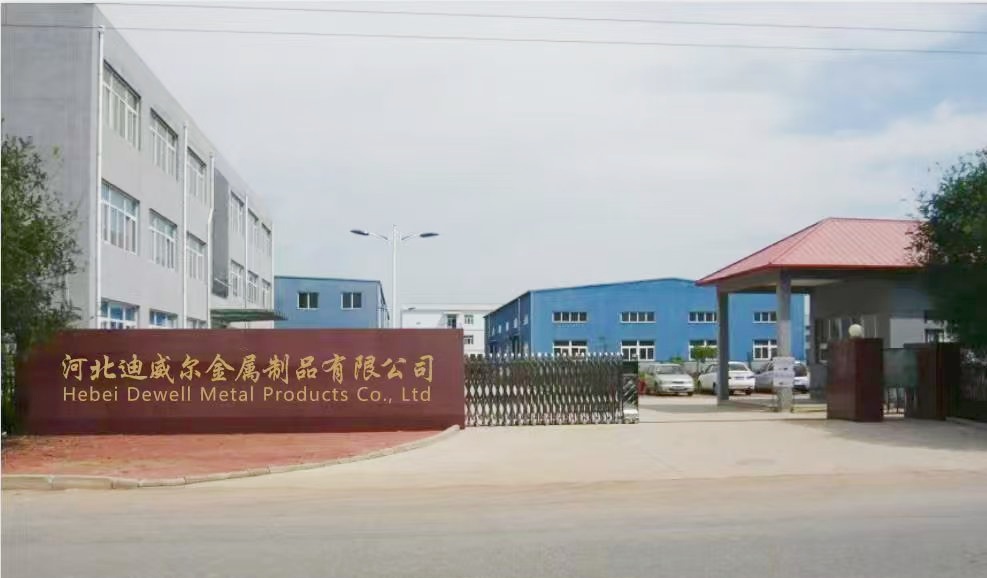
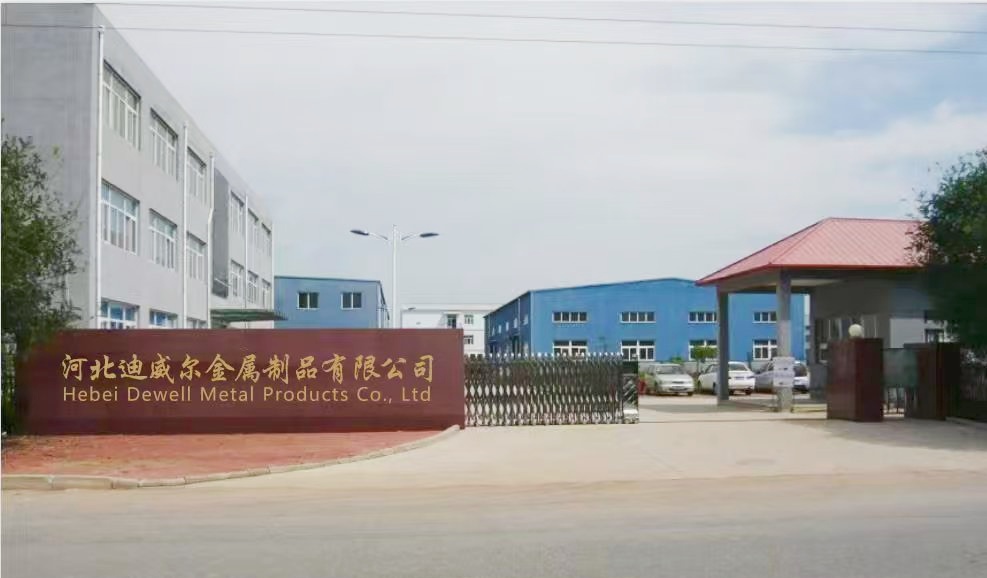
So, we’re looking at a classic sustainability trade-off here. Reduced waste and long-term durability versus the environmental cost of production. Companies like Hebei Dewell Metal Products Co., LTD, based at the heart of China’s largest standard parts distribution center, engage deeply in these discussions while positioning themselves competitively in the global market. More details can be found on their website: Dewell Fastener.
Material Considerations
When weighing the sustainability of nylock nuts, the materials come under scrutiny. The nylon insert, critical for its locking function, has its pros and cons. Nylon is valued for its flexibility and strength but poses challenges in terms of recyclability compared to metal counterparts.
Hebei Dewell Metal Products Co., LTD, among others, is experimenting with different material combinations to enhance recyclability without sacrificing performance. The trends are encouraging, leaning towards incorporating recycled nylon and optimizing production processes to reduce emissions.
The challenge remains in finding the balance between innovation and practicality, ensuring that while we move towards sustainable practices, the performance isn’t compromised. Engineering minds often wrestle with these tradeoffs, as the market demands innovation and sustainability in equal measure.
Impact on Production and Distribution
Manufacturing operations are critical points of reflection. For any enterprise, especially large-scale ones like Hebei Dewell, managing production efficiently while minimizing waste is essential. Here, nylock nuts become part of a larger narrative about resource efficiency.
The logistics involved, from sourcing raw materials to the final distribution, all tie back into the sustainability conversation. Transport emissions, manufacturing byproducts, and energy consumption are all areas that companies actively monitor to improve their ecological footprint.
Advanced scheduling systems and lean manufacturing techniques can radically improve efficiency, revealing a lesser-known aspect of these otherwise inconspicuous fasteners. Every step taken towards a more efficient process translates to a reduced impact on the environment.
Innovations and Future Directions
Innovation is where hope lies. The development of nylock nuts using biodegradable or less environmentally damaging materials can significantly alter their sustainability equation in the coming years.
Additionally, there’s ongoing research into alternative locking mechanisms that could offer similar performance without the need for nylon. Integrating these advancements into existing manufacturing chains requires strategic foresight and investment.
Through company efforts, like those seen at Hebei Dewell, the next generation of fasteners might well bridge the gap between durability and ecological responsibility. The future promises these advancements, reducing dependency on non-renewable resources.
Conclusion
While the path to sustainability in the fastener industry isn’t straightforward, the ongoing dialogue and innovation are encouraging. Nylock nuts provide more than just functionality—they present a platform to negotiate the boundaries between technological advancement and environmental stewardship. As companies like Hebei Dewell Metal Products Co., LTD, continue to explore solutions, the end goal remains a sustainable future where durability doesn’t come at the planet’s expense.