Non-metallic locking nuts are gaining attention in the industries focusing on sustainability. These components, often overlooked, play a pivotal role in reducing environmental impacts. Understanding how they contribute can reshape how industries approach material selection and usage.
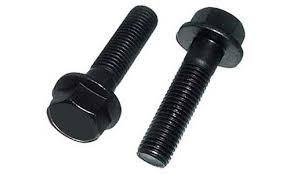
Understanding Non-Metallic Locking Nuts
When we talk about locking nuts, most people picture metal components. However, non-metallic options have quietly become invaluable, especially in applications where weight, corrosion resistance, and even cost are crucial factors. My first encounter with these was during a project where weight limits were strict—switching to non-metallic nuts made a surprising difference.
These components are particularly beneficial in industries like aerospace and automotive, where reducing weight can lead to significant efficiency gains. Not only that, but non-metallic nuts often resist corrosion better than their metallic counterparts, extending the lifespan of assemblies.
However, it’s not all smooth sailing. One challenge we encountered was the initial skepticism from the team. Would these nuts hold up under pressure? It’s a common concern, but as we tested different formulations, particularly those reinforced with glass or carbon fibers, the confidence grew. The performance matched, sometimes surpassed, the standards set by metal options.

Environmental Advantages
Sustainability isn’t just about the end product; it’s about the entire lifecycle. Non-metallic nuts can be produced with less environmental impact. Manufacturing processes often consume less energy than those used for metal components. This reduction in energy usage translates to a smaller carbon footprint.
Besides manufacturing benefits, the reduced weight also means lower shipping and handling emissions. In industries like aviation, every gram counts. We noticed this firsthand with a client who saved significant fuel costs after replacing several metal components with non-metallic solutions.
Yet, it’s not solely about emissions. The recyclability of these materials plays a role, too. While metallic nuts also offer recyclability, non-metallic variants composed of certain polymers can be recycled into high-quality new components without the degradation issues often seen in metal recycling.
Challenges and Misconceptions
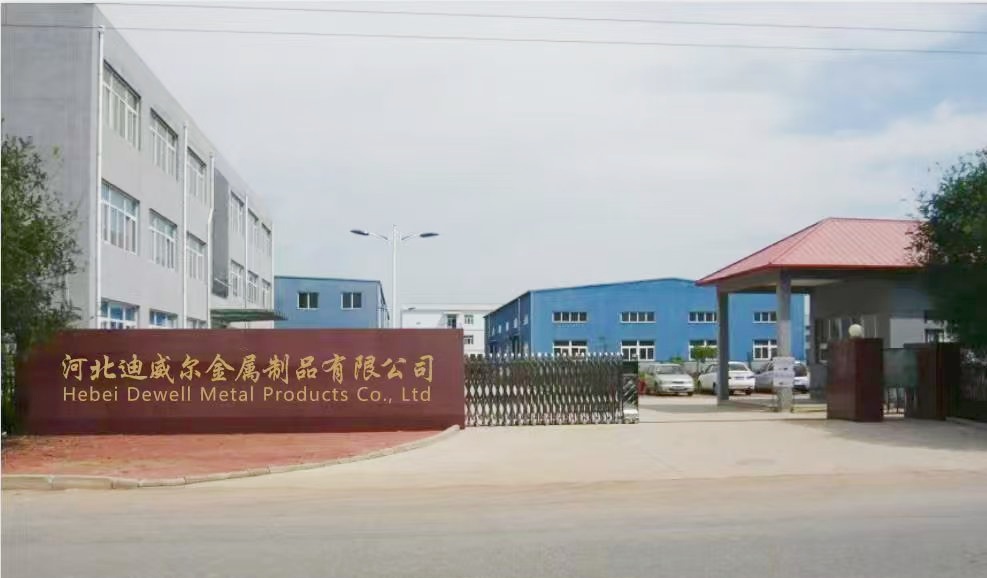
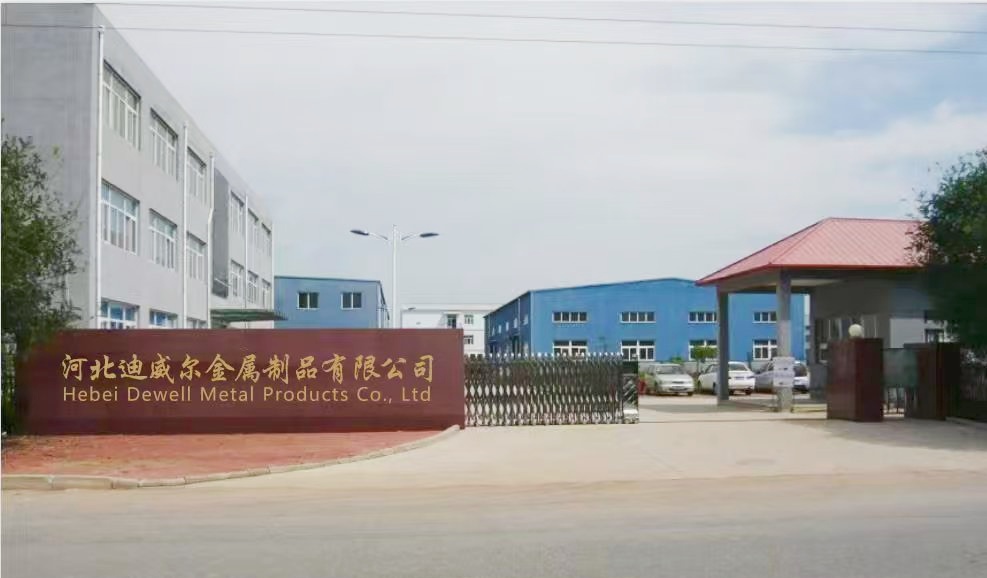
There’s a persistent misconception that non-metallic means less durable. This isn’t necessarily true. It depends on the application. During a visit to the Hebei Dewell Metal Products Co., LTD facility (https://www.dewellfastener.com), seeing the variety of non-metallic nuts showcased the adaptability these products offer.
The real hurdle is changing the mindset. Training teams to understand and trust non-metallic options is a task. We’ve conducted numerous workshops for our partners, dispelling myths and demonstrating real-world applications where these components excel.
Despite their many benefits, non-metallic nuts won’t replace every metal nut. It’s about choosing the right tool for the job. In my experience, successful adoption hinges on collaboration between engineers and suppliers like Hebei Dewell, who can offer insights and guidance.
Applications in the Field
It’s always fascinating to see where non-metallic locking nuts end up. From lightweight bicycles to large solar power installations, the versatility is astonishing. I recall a field test for a solar panel mounting system; swapping out metal nuts for non-metallic counterparts cut installation time and costs significantly.
Coastal infrastructure projects benefit too. Non-metallic nuts resist salty, corrosive environments better than many metals. I worked on a marina development where using non-metallic components helped avoid costly corrosion issues.
We regularly receive feedback from clients who were initially hesitant. Months after installation, the reduction in maintenance costs and improved performance often lead to further adoption across other projects.
Future Outlook and Innovations
The future of non-metallic locking nuts looks promising, with ongoing research into material sciences driving advancements. More sustainable polymers and composites are being developed, which will enhance durability and environmental benefits further.
Further collaborations with companies like Hebei Dewell are crucial. Their R&D capability facilitates innovations that respond to real-world needs. Industry events and shared knowledge foster an environment where sustainable practices become standard.
In summary, non-metallic locking nuts offer a viable path to sustainability, provided the correct materials and applications are chosen. As more industries recognize their potential, the shift towards these alternatives will likely gain momentum, supporting broader sustainability goals.