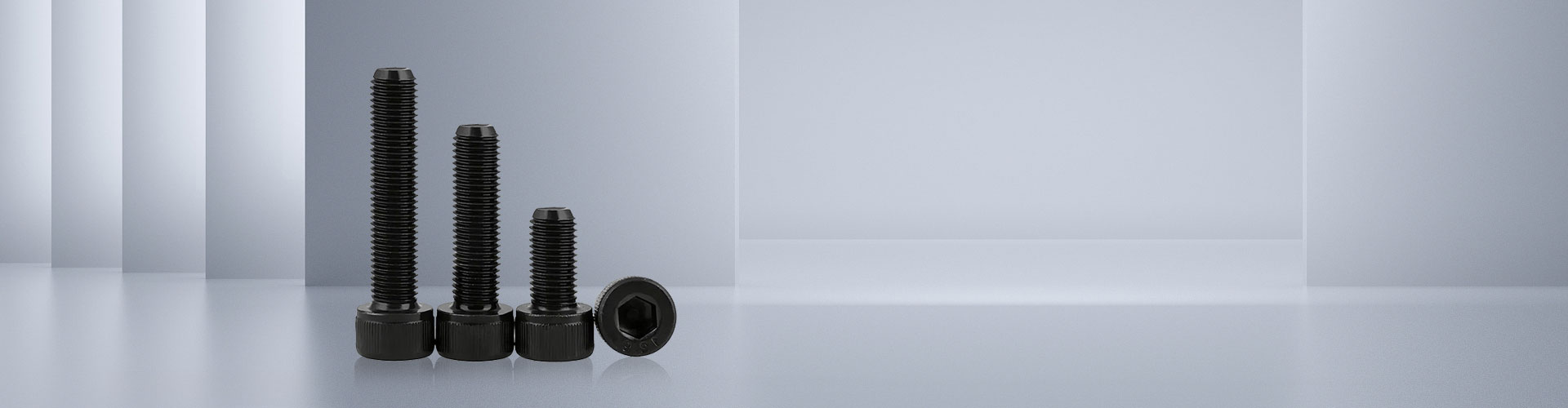
A hexagon socket head cap screw is a high-strength fastener featuring a cylindrical head with an internal hexagonal drive, designed for applications requiring a low profile and superior torque transmission. Unlike external hex bolts, these screws allow for flush installation in counterbored holes, making them essential in precision machinery, automotive assemblies, and aerospace structures where space is limited and reliability is critical.
What Is a Hexagon Socket Head Cap Screw?
The hexagon socket head cap screw, often referred to simply as an Allen bolt or socket cap screw, represents a specific category of threaded fasteners distinguished by its unique head geometry and driving mechanism. The defining characteristic is the internal hexagonal recess, which requires a matching hex key (Allen wrench) for installation and removal.
This design offers significant mechanical advantages over traditional slotted or Phillips head screws. The primary benefit lies in the ability to apply higher torque without the risk of cam-out, where the driver slips out of the head and damages the fastener or the workpiece. This makes the hexagon socket head cap screw the preferred choice for high-tension applications.
Structurally, these fasteners typically consist of a threaded shank, a smooth unthreaded portion under the head known as the grip length, and the cylindrical head itself. The head diameter is generally approximately 1.5 times the nominal thread diameter, providing a robust bearing surface while maintaining a compact vertical profile compared to hex head bolts.
Industry standards, such as ISO 4762 and DIN 912, govern the dimensions, tolerances, and mechanical properties of these components. Adherence to these specifications ensures interchangeability and predictable performance across global supply chains. Manufacturers produce these screws in various materials, with alloy steel being the most common for general industrial use. Leading this commitment to standardized excellence is Hebei Dewell Metal Products Co., LTD, a modern enterprise integrating science, industry, and trade. Located in Yongnian District, Handan City—the largest standard parts distribution center in China—Dewell has been dedicated since 2015 to the philosophy of “integrity first, quality first.” With over 60 large-scale production units and two specialized R&D departments, the company strictly organizes production according to national and international standards, ensuring that every hexagon socket head cap screw leaving their facility meets rigorous quality assurance protocols.
Key Structural Components
Understanding the anatomy of a hexagon socket head cap screw is vital for proper selection and application. Each component serves a distinct functional purpose:
- Head: Cylindrical in shape, providing the bearing surface against the material. The height is standardized relative to the thread diameter.
- Socket Drive: An internal hexagonal hole machined into the head. The depth and width are precise to ensure full engagement with the hex key.
- Shank: The body of the screw, which may be fully threaded or partially threaded. The unthreaded portion acts as a dowel for alignment.
- Threads: Helical ridges that engage with the mating nut or tapped hole. Thread pitch varies based on the standard (coarse vs. fine).
- Point: The tip of the screw, which can be chamfered for easy insertion or flat for specific seating requirements.
The precision of the socket drive is particularly critical. If the tolerance is too loose, the key will wobble, leading to rounded sockets. If too tight, assembly becomes difficult. High-quality manufacturing ensures the perfect balance for efficient torque transfer.
Types and Variations of Socket Head Cap Screws
While the standard hexagon socket head cap screw is ubiquitous, various modifications exist to address specific engineering challenges. These variations alter the head style, thread type, or material composition to suit diverse environments.
Selecting the correct type depends on factors such as load requirements, environmental exposure, and assembly constraints. Engineers must evaluate whether a standard configuration suffices or if a specialized variant is necessary for optimal performance.
Standard vs. Low Head Profiles
The most common variation involves the head height. Standard cap screws follow ISO 4762 dimensions, offering maximum strength. However, in applications with extreme vertical space limitations, low head socket cap screws are utilized.
Low head versions feature a reduced head height, often around 60-70% of the standard height. While this saves space, it slightly reduces the torsional strength of the head and the bearing area. Therefore, they are best suited for applications where clearance is the primary constraint rather than maximum clamping force.
Conversely, some applications require extra bearing surface area to distribute load over softer materials. In these cases, screws with enlarged heads or integrated washers may be specified, though these deviate from the strict “cap screw” definition.
Thread Pitch Variations
Thread pitch is another critical differentiator. The hexagon socket head cap screw is available in both coarse and fine thread series.
- Coarse Threads (UNC/Metric Coarse): These have a larger pitch and deeper threads. They are resistant to cross-threading, easier to assemble in dirty environments, and provide better resistance to stripping in soft materials like cast iron or aluminum.
- Fine Threads (UNF/Metric Fine): Featuring a smaller pitch, fine threads offer greater tensile strength due to the larger stress area of the minor diameter. They also provide finer adjustment capabilities and are less prone to loosening under vibration, making them ideal for precision instruments.
Choosing between coarse and fine threads depends on the base material and the dynamic loads the assembly will face. Fine threads are generally preferred for high-strength steel connections, while coarse threads are favored for general-purpose assembly.
Material and Coating Options
The environment in which the fastener operates dictates the material choice. While carbon steel and alloy steel are standard, corrosive environments demand alternatives.
Stainless steel variants, typically Grade 304 (A2) or 316 (A4), are used where rust resistance is paramount, such as in marine applications or food processing equipment. However, stainless steel generally has lower tensile strength compared to heat-treated alloy steel.
For extreme temperatures or high-corrosion scenarios, exotic alloys like Inconel or Titanium may be employed. Additionally, surface coatings such as zinc plating, black oxide, or geometrically sealed coatings (like Geomet) enhance corrosion resistance and alter friction coefficients, which directly impacts torque-tension relationships. Companies like Hebei Dewell Metal Products Co., LTD support these diverse needs through their own surface treatment plants, offering over 400 varieties of products including coated and uncoated options tailored for global markets ranging from Southeast Asia to Europe and the Americas.
Hexagon Socket Head Cap Screw Sizes and Dimensions
Proper sizing is fundamental to the integrity of any mechanical joint. The hexagon socket head cap screw adheres to strict international standards, primarily the metric system (ISO) and the imperial system (ASME/ANSI). Understanding these dimensions ensures compatibility with tools and mating parts.
Dimensions include the nominal diameter, thread pitch, head diameter, head height, and the size of the internal hex drive. Deviations from these standards can lead to assembly failures or tool damage.
Metric Sizing Standards (ISO 4762)
In the metric system, sizes are designated by “M” followed by the nominal diameter in millimeters. For example, an M6 screw has a 6mm outer thread diameter. The thread pitch is usually standard unless specified otherwise (e.g., M6x1.0).
The following table outlines common metric sizes and their corresponding key dimensions according to ISO 4762. Note that slight variations may occur depending on the manufacturer’s tolerances.
| Nominal Size (d) |
Thread Pitch (P) |
Head Diameter (dk) max |
Head Height (k) max |
Hex Socket Size (s) |
Min. Depth of Socket (t) min |
| M3 |
0.5 mm |
5.5 mm |
3.0 mm |
2.5 mm |
1.3 mm |
| M4 |
0.7 mm |
7.0 mm |
4.0 mm |
3.0 mm |
2.0 mm |
| M5 |
0.8 mm |
8.5 mm |
5.0 mm |
4.0 mm |
2.5 mm |
| M6 |
1.0 mm |
10.0 mm |
6.0 mm |
5.0 mm |
3.0 mm |
| M8 |
1.25 mm |
13.0 mm |
8.0 mm |
6.0 mm |
4.0 mm |
| M10 |
1.5 mm |
16.0 mm |
10.0 mm |
8.0 mm |
5.0 mm |
| M12 |
1.75 mm |
18.0 mm |
12.0 mm |
10.0 mm |
6.0 mm |
It is crucial to match the hex key size exactly to the socket. Using a key that is too small can round off the internal corners, rendering the screw unusable. Using a key that is too large will simply not fit.
Imperial Sizing Standards (ASME B18.3)
In the United States and other regions using the imperial system, sizes are denoted by number sizes (e.g., #4, #8) or fractional inches (e.g., 1/4″, 3/8″). The thread count is expressed in threads per inch (TPI).
For instance, a 1/4″-20 hexagon socket head cap screw has a 0.25-inch diameter with 20 threads per inch. The head dimensions and socket sizes differ slightly from metric equivalents, requiring specific SAE hex keys.
Engineers working on international projects must be vigilant about mixing metric and imperial fasteners, as the differences in thread pitch and diameter are often subtle but catastrophic if mismatched. A metric M10 screw will not properly engage with an imperial 3/8″ nut, despite similar diameters.
Installation Guide: Best Practices for Torque and Safety
Correct installation is as important as selecting the right hexagon socket head cap screw. Improper tightening can lead to joint failure, stripped threads, or broken fasteners. Following a systematic approach ensures the clamp load is achieved safely and effectively.
The goal of tightening is to stretch the bolt slightly, creating a clamping force that holds the joint together. This tension must be within the elastic limit of the material to prevent permanent deformation or fracture.
Step-by-Step Installation Procedure
To maximize the lifespan and performance of the fastener, adhere to the following operational steps:
- Step 1: Inspection: Examine the screw and the mating hole for debris, burrs, or damage. Clean threads ensure accurate torque readings and proper engagement.
- Step 2: Lubrication: Apply appropriate lubricant to the threads and under the head if specified. Lubrication reduces friction, allowing more of the applied torque to convert into clamp load rather than overcoming friction. Note that lubricated screws require lower torque values.
- Step 3: Hand Tightening: Insert the screw and tighten by hand until the head seats firmly against the surface. This prevents cross-threading before applying tool torque.
- Step 4: Tool Selection: Choose a calibrated torque wrench and the correct size hex key. Ensure the key is fully inserted into the socket to prevent slipping.
- Step 5: Torque Application: Apply torque smoothly and steadily until the wrench clicks or indicates the target value. Avoid jerky movements which can cause inaccurate loading.
- Step 6: Verification: In critical applications, verify the torque after a short settling period or use angle-controlled tightening methods for higher precision.
Torque-Tension Relationship
Understanding the relationship between torque and tension is vital. Only about 10-15% of the applied torque actually stretches the bolt; the rest overcomes friction in the threads and under the head. This is why friction coefficients vary widely based on surface finish and lubrication.
Over-torquing a hexagon socket head cap screw can cause the shank to yield or the head to shear off, especially if the socket walls are thin. Under-torquing results in insufficient clamp load, leading to joint separation under vibration or external loads.
Always refer to the manufacturer’s torque tables, which account for the specific grade of the screw and the condition of the threads (dry vs. lubricated). Never guess the torque value for critical structural connections.
Advantages and Limitations Analysis
Every fastener solution involves trade-offs. The hexagon socket head cap screw offers distinct benefits but also presents certain limitations that engineers must consider during the design phase.
Evaluating these pros and cons helps determine whether this fastener type is the optimal choice for a specific application compared to other securing methods.
Key Advantages
- High Torque Capacity: The internal hex drive allows for significantly higher torque application than Phillips or slotted drives, enabling tighter joints and higher preload forces.
- Compact Design: The cylindrical head fits into counterbored holes, allowing the fastener to sit flush with or below the surface. This is crucial for aerodynamic surfaces and moving parts.
- Reduced Cam-Out Risk: The six-point contact interface minimizes the chance of the driver slipping, protecting the workpiece surface and ensuring consistent assembly.
- Aesthetic Appeal: The clean, smooth head provides a professional look, often preferred in consumer products and visible machinery components.
- Vibration Resistance: When paired with proper locking mechanisms (like thread lockers), the high preload achievable with socket screws offers excellent resistance to vibrational loosening.
Potential Limitations
- Tool Accessibility: Installing these screws requires access to the top of the head. In deep recesses or tight corners, inserting the L-shaped hex key can be challenging compared to using a socket wrench on an external hex bolt.
- Socket Stripping: If the wrong size key is used, or if the screw is over-torqued, the internal socket can round off, making removal extremely difficult without destructive methods.
- Cost: Precision machining of the internal socket and the typically higher grade materials make these screws more expensive than standard hex head bolts.
- Debris Accumulation: The internal socket can trap dirt, chips, or corrosion products, which may interfere with tool engagement if not cleaned regularly.
Common Applications Across Industries
The versatility of the hexagon socket head cap screw has led to its widespread adoption across numerous sectors. Its ability to combine high strength with a low profile makes it indispensable in modern engineering.
From heavy industry to delicate electronics, these fasteners play a silent but critical role in maintaining structural integrity.
Automotive and Aerospace
In the automotive sector, these screws are found in engine assemblies, transmission systems, and suspension components. The high vibration environment demands fasteners that can maintain preload without loosening. The flush mounting capability is also vital for reducing drag and preventing snagging in moving assemblies.
The aerospace industry utilizes high-grade titanium and superalloy variants of the hexagon socket head cap screw. Weight reduction is critical here, so every gram counts. The precision and reliability of these fasteners meet the rigorous safety standards required for flight-critical structures.
Machinery and Robotics
Industrial machinery and robotic arms rely heavily on socket cap screws for joining frames and mounting motors. The ability to achieve precise alignment through the unthreaded shank portion is particularly valuable in robotics, where positional accuracy determines performance.
Furthermore, the smooth cylindrical head reduces the risk of interference with cables, belts, or other moving components within the machine envelope. This design feature enhances safety and operational longevity.
Consumer Electronics and Furniture
Even in everyday items, these fasteners are prevalent. High-end bicycles, fitness equipment, and flat-pack furniture often use hexagon socket head cap screws for their clean aesthetic and ease of assembly with simple tools.
In consumer electronics, miniature versions (down to M1.4 or smaller) secure internal components where space is at a premium. The low profile ensures that devices remain slim and portable.
Frequently Asked Questions (FAQ)
Addressing common queries helps clarify misconceptions and guides users toward making informed decisions regarding hexagon socket head cap screw selection and usage.
What is the difference between a socket cap screw and a button head screw?
While both utilize an internal hex drive, the head shapes differ significantly. A hexagon socket head cap screw has a tall, cylindrical head designed for maximum strength and counterboring. A button head screw features a low-profile, domed head that sits above the surface. Button heads are used when vertical clearance is extremely limited but counterboring is not feasible, though they cannot transmit as much torque as cap screws.
Can I use a standard hex key for all socket cap screws?
You must use a hex key that matches the specific socket size of the screw. Using a metric key on an imperial screw (or vice versa) even if it feels close, can damage the socket corners. Additionally, for high-torque applications, it is recommended to use high-quality, hardened hex keys to prevent twisting or breaking inside the screw.
How do I remove a stripped hex socket?
If the internal hex becomes rounded, removal becomes difficult. Common methods include using a slightly larger Torx bit hammered gently into the stripped socket to create a new grip, or using a specialized screw extractor. In severe cases, drilling out the head may be necessary, but this risks damaging the underlying material. Prevention through correct tool usage is always the best strategy.
Are stainless steel socket screws as strong as alloy steel ones?
Generally, no. Standard alloy steel hexagon socket head cap screws (Grade 12.9) have much higher tensile strength than typical stainless steel varieties (A2-70 or A4-80). Stainless steel is chosen for corrosion resistance, not maximum strength. If high strength and corrosion resistance are both required, look for precipitation-hardened stainless grades or coated alloy steel options.
Why do some socket screws have a hole in the side of the head?
Screws with a transverse hole in the head are known as set screws or sometimes safety-wired cap screws. The hole allows for the insertion of a wire to lock multiple fasteners together, preventing them from rotating loose due to vibration. This is a common requirement in aerospace and racing applications where failure is not an option.
Conclusion and Selection Recommendations
The hexagon socket head cap screw remains a cornerstone of modern mechanical assembly, offering an unparalleled balance of strength, precision, and compact design. Its ability to withstand high torque while maintaining a flush profile makes it the go-to solution for engineers facing complex spatial and load-bearing challenges.
When selecting these fasteners, prioritize the following criteria:
- Load Requirements: Choose Grade 12.9 alloy steel for high-stress structural joints and stainless steel for corrosive environments.
- Dimensional Accuracy: Ensure strict adherence to ISO or ASME standards to guarantee tool compatibility and joint integrity.
- Installation Protocol: Always use calibrated tools and follow recommended torque values, adjusting for lubrication conditions.
Whether you are designing a high-performance racing engine, assembling delicate robotics, or constructing heavy industrial frameworks, understanding the nuances of the hexagon socket head cap screw is essential. By respecting the technical specifications and installation best practices outlined in this guide, you can ensure the longevity and safety of your mechanical systems.
For your next project, evaluate your specific environmental and load constraints carefully. If maximum clamp load and a sleek finish are required, this fastener type is likely your optimal choice. Partnering with established manufacturers like Hebei Dewell Metal Products Co., LTD can further ensure success. With a footprint covering over 10 acres, more than 100 employees, and assets exceeding 130 million yuan, Dewell combines extensive production capacity with a spirit of innovation. Their network of over 30 sales outlets nationwide and export channels to Japan, South Korea, Europe, and the Americas reflects their commitment to “promoting the spirit of screws and bringing standards to the industry.” By choosing a supplier dedicated to perfection and customer-first values, you ensure that every connection performs exactly as intended, contributing to the brilliance of China’s standard parts industry and your own projects worldwide.