DIN 979 hex nuts are precision-engineered fasteners designed with a reduced height and specific chamfering to optimize load distribution in confined spaces. Unlike standard hex nuts, DIN 979 specifications often refer to thin hex nuts or specialized variants used in automotive, machinery, and structural applications where vertical clearance is limited. As a leading manufacturer based in China’s largest standard parts hub, Hebei Dewell Metal Products Co., LTD provides high-tolerance DIN 979 compliant nuts that meet rigorous international quality standards. This guide details the technical specifications, material grades, manufacturing processes, and selection criteria for sourcing premium DIN 979 hex nuts directly from a verified industrial supplier.
What Is a DIN 979 Hex Nut?
The term DIN 979 historically refers to a specific standard for hexagon thin nuts with chamfers. In modern industrial contexts, understanding the precise dimensional and mechanical requirements of this standard is crucial for engineers and procurement specialists. These nuts are characterized by their lower profile compared to standard ISO 4032 or DIN 934 hex nuts, making them ideal for applications where space constraints prevent the use of full-height fasteners.
A DIN 979 hex nut typically features:
- Reduced Height: The nominal height is approximately half that of a standard hex nut, allowing for compact assembly designs.
- Chamfered Edges: Both top and bottom faces are usually chamfered to facilitate easier alignment during automated assembly and to reduce stress concentrations.
- Hexagonal Shape: Designed for compatibility with standard wrenches and socket tools, ensuring efficient torque application.
- Thread Precision: Manufactured to strict tolerance classes (typically 6H or 6G) to ensure seamless mating with corresponding bolts and studs.
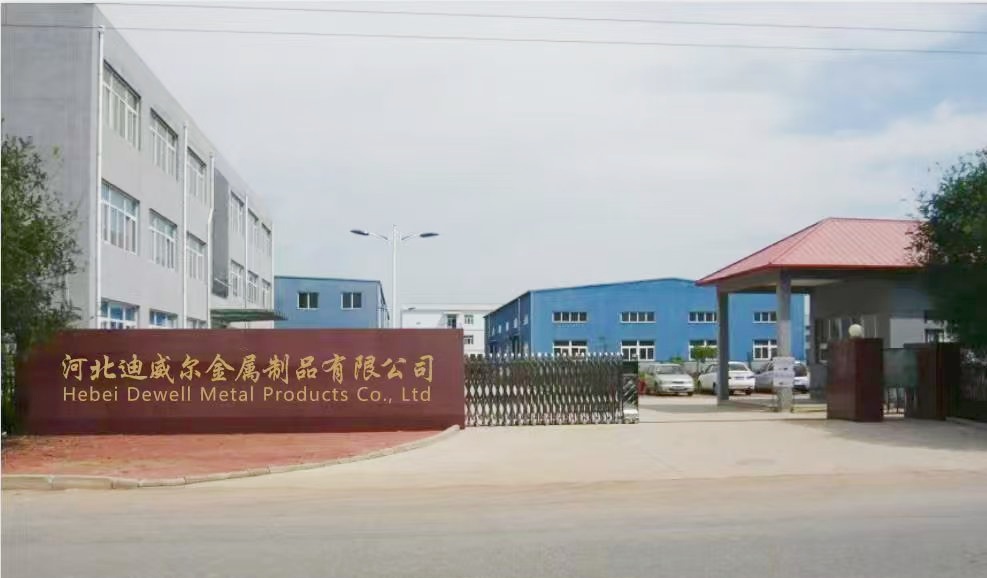
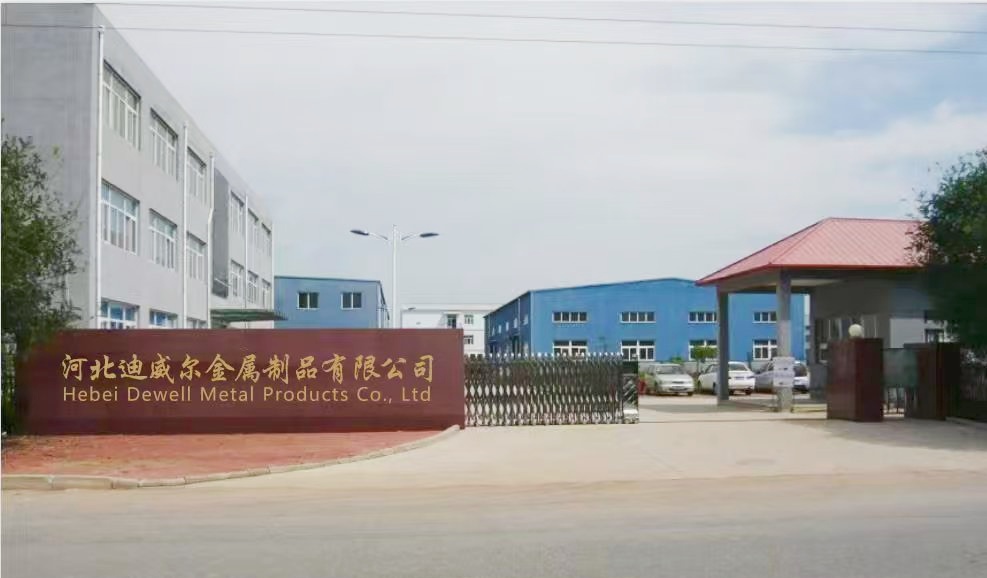
At Hebei Dewell Metal Products Co., LTD, our production lines in Yongnian District, Handan City, are equipped to manufacture these specialized fasteners with exact adherence to dimensional tolerances. Our facility, covering over 10 acres, utilizes more than 60 large-scale production units to ensure consistency across batches, whether for domestic use or export to markets in Europe, America, and Southeast Asia.
Technical Specifications and Dimensions
Understanding the dimensional parameters of DIN 979 hex nuts is essential for proper integration into mechanical assemblies. While standards may evolve or be superseded by ISO equivalents in some regions, the core geometric principles remain vital for compatibility. Below is a general reference table for common sizes. Note that exact dimensions should always be verified against the latest technical drawings provided by the manufacturer.
| Nominal Size (d) |
Width Across Flats (s) max/min |
Height (m) approx |
Width Across Corners (e) min |
| M6 |
10 mm |
3.2 mm |
11.05 mm |
| M8 |
13 mm |
4.0 mm |
14.38 mm |
| M10 |
16 mm |
5.0 mm |
17.77 mm |
| M12 |
18 mm |
6.0 mm |
20.03 mm |
| M16 |
24 mm |
8.0 mm |
26.75 mm |
| M20 |
30 mm |
10.0 mm |
33.53 mm |
Key Technical Notes:
- Tolerance Class: Most DIN 979 nuts are produced with thread tolerance class 6H, ensuring a standard fit for property class 8.8 and 10.9 bolts.
- Material Strength: Common property classes include 04, 05, and 08, corresponding to different tensile strength requirements.
- Surface Finish: Depending on the application, nuts may be supplied plain, zinc-plated, hot-dip galvanized, or with other protective coatings.
Material Grades and Mechanical Properties
The performance of a DIN 979 hex nut is heavily dependent on the material used and the heat treatment applied. Selecting the correct grade ensures that the fastener can withstand the operational loads without failure. Hebei Dewell Metal Products Co., LTD offers a wide range of material options to suit diverse industrial needs, leveraging our two dedicated research and development departments to optimize material composition and processing.
Carbon Steel Nuts
Carbon steel is the most common material for DIN 979 nuts due to its balance of strength, cost-effectiveness, and manufacturability.
- Class 04: Low carbon steel, suitable for general-purpose applications with low stress requirements.
- Class 05: Medium carbon steel, offering higher tensile strength and better resistance to deformation.
- Class 08: High-strength carbon steel, often quenched and tempered, used in critical structural and automotive applications.
Stainless Steel Nuts
For environments prone to corrosion, such as marine, chemical, or food processing industries, stainless steel is the preferred choice.
- A2-70 (304 Stainless): Provides excellent corrosion resistance and good mechanical properties for most outdoor applications.
- A4-80 (316 Stainless): Offers superior resistance to chlorides and acids, ideal for harsh coastal or chemical environments.
Alloy Steel and Special Materials
In high-temperature or high-vibration environments, alloy steels such as 40Cr or 35CrMo may be used. These materials undergo specific heat treatments to enhance fatigue resistance and maintain integrity under extreme conditions. Our factory’s surface treatment plants ensure that these materials are protected against environmental degradation, extending the service life of the fasteners.
Manufacturing Process and Quality Control
Producing high-quality DIN 979 hex nuts requires a sophisticated manufacturing workflow. At Hebei Dewell Metal Products Co., LTD, we integrate science, industry, and trade to deliver products that meet global standards. Since our establishment in 2015, we have adhered to the philosophy of “integrity first, quality first,” which is reflected in every stage of our production process.
Step-by-Step Production Workflow
- Raw Material Selection: We source high-grade wire rods and bars from certified suppliers. Each batch undergoes spectral analysis to verify chemical composition.
- Cold Forging: Using advanced multi-station cold forging machines, the hexagonal shape is formed with high precision. This process enhances the grain structure of the metal, improving strength.
- Tapping: Internal threads are cut using high-speed tapping machines. Our equipment ensures accurate thread pitch and diameter, critical for preventing galling and ensuring smooth assembly.
- Heat Treatment: For higher property classes, nuts undergo quenching and tempering in controlled atmosphere furnaces to achieve the desired hardness and tensile strength.
- Surface Treatment: Our in-house surface treatment plants offer various finishes, including electro-zinc plating, hot-dip galvanizing, and Dacromet coating, to enhance corrosion resistance.
- Quality Inspection: Every batch is subjected to rigorous testing, including dimensional checks, hardness testing, and torque testing. We strictly organize production according to national and international standards.
With over 100 employees and total assets of 130 million yuan, our infrastructure supports high-volume production without compromising on quality. Our container freight transfer stations facilitate efficient logistics, ensuring timely delivery to our agents and customers worldwide.
Applications of DIN 979 Hex Nuts
DIN 979 hex nuts are versatile components used across various industries. Their reduced height makes them particularly valuable in scenarios where space is at a premium. Understanding these applications helps in selecting the right fastener for your project.
Automotive Industry
In vehicle assembly, space within engine compartments and chassis structures is limited. DIN 979 nuts are frequently used for securing brackets, sensors, and trim components where a standard nut would protrude excessively. Their ability to withstand vibration and thermal cycling makes them reliable for automotive safety systems.
Machinery and Equipment
Industrial machinery often requires compact fastening solutions for gearboxes, motors, and control panels. The thin profile of DIN 979 nuts allows for tighter packing of components, reducing the overall footprint of the equipment. This is crucial in modern manufacturing where miniaturization and efficiency are key drivers.
Electronics and Appliances
In consumer electronics and home appliances, internal space is highly constrained. DIN 979 nuts provide a secure fastening method for mounting circuit boards, fans, and structural frames without adding unnecessary bulk. Their aesthetic finish also contributes to the overall look of visible components.
Construction and Structural Steel
While full-height nuts are standard for major structural connections, DIN 979 nuts are used in secondary structures, cladding, and facade systems where weight and thickness are considerations. They offer sufficient holding power for non-critical loads while maintaining a sleek profile.
How to Choose the Right DIN 979 Hex Nut
Selecting the appropriate DIN 979 hex nut involves considering several factors beyond just size. Making the wrong choice can lead to joint failure, loosening, or corrosion. Here is a guide to help you make an informed decision.
1. Determine the Load Requirements
Assess the tensile and shear loads the joint will experience. For high-load applications, choose nuts with higher property classes (e.g., Class 08 or 10). For static, low-load applications, Class 04 or 05 may suffice.
2. Consider the Environment
If the fastener will be exposed to moisture, chemicals, or extreme temperatures, select a material with appropriate resistance. Stainless steel (A2 or A4) is ideal for corrosive environments, while coated carbon steel offers a cost-effective solution for moderate exposure.
3. Check Compatibility with Bolts
Ensure the nut’s thread tolerance matches the bolt’s tolerance. Mismatched threads can cause assembly issues or reduce the joint’s strength. Generally, a 6H nut pairs well with 6g or 6h bolts.
4. Evaluate Space Constraints
Verify the available vertical space. If the clearance is tight, a DIN 979 thin nut is the correct choice. However, ensure that the reduced bearing surface does not compromise the joint’s stability under load.
5. Review Surface Finish Requirements
The surface finish affects both corrosion resistance and friction coefficients. For applications requiring precise torque control, consider the lubricity of the coating. Zinc plating offers good protection, while Dacromet provides superior corrosion resistance with consistent friction properties.
Common Mistakes to Avoid When Using Thin Hex Nuts
Even with high-quality products from manufacturers like Hebei Dewell Metal Products Co., LTD, improper usage can lead to failures. Here are common pitfalls to avoid:
- Over-Torquing: Thin nuts have less material to distribute stress. Over-torquing can strip threads or deform the nut, leading to joint failure. Always use calibrated torque wrenches.
- Using with Incorrect Bolts: Pairing thin nuts with high-strength bolts without verifying compatibility can result in premature thread wear. Ensure the bolt’s property class matches the nut’s capacity.
- Ignoring Corrosion: Using plain carbon steel nuts in corrosive environments without adequate protection will lead to rust and seizing. Always specify the appropriate coating or material.
- Neglecting Locking Mechanisms: Thin nuts are more prone to loosening under vibration. Consider using locking washers, thread-locking adhesives, or self-locking variants if vibration is a concern.
Why Choose Hebei Dewell Metal Products Co., LTD?
Located in Yongnian District, Handan City, Hebei Province—the largest standard parts distribution center in China—Hebei Dewell Metal Products Co., LTD stands out as a trusted partner for global buyers. Our commitment to “promoting the spirit of screws and bringing standards to the industry” drives our continuous improvement and customer focus.
Key Advantages:
- Integrated Production: From R&D to surface treatment, we control every step of the manufacturing process, ensuring consistent quality and faster lead times.
- Global Reach: With products exported to Japan, South Korea, Europe, America, and Southeast Asia, we understand international standards and logistical requirements.
- Extensive Product Range: Offering over 400 varieties of bolts, nuts, and stamped parts, we can meet diverse sourcing needs from a single supplier.
- Customer-Centric Service: Our 30+ sales and service outlets nationwide, along with our dedicated support team, ensure responsive communication and tailored solutions.
- Quality Assurance: Adhering to “quality first, customer first, and reputation first,” we implement strict quality control measures to deliver defect-free products.
Frequently Asked Questions (FAQ)
What is the difference between DIN 979 and DIN 934?
The primary difference is height. DIN 934 specifies standard hex nuts, while DIN 979 refers to thin hex nuts. DIN 979 nuts are approximately half the height of DIN 934 nuts, making them suitable for applications with limited vertical space.
Can DIN 979 nuts be used in structural applications?
Yes, but with caution. They are suitable for secondary structural connections where loads are moderate. For primary structural joints subject to high tension or dynamic loads, full-height nuts (like DIN 934 or ISO 4032) are generally recommended due to their greater thread engagement and bearing area.
What surface treatments are available for DIN 979 nuts?
Common treatments include electro-zinc plating, hot-dip galvanizing, black oxide, and Dacromet. The choice depends on the required corrosion resistance and aesthetic preferences. Hebei Dewell Metal Products Co., LTD offers a variety of options through our in-house surface treatment plants.
How do I verify the quality of DIN 979 nuts?
Quality can be verified through dimensional inspection, hardness testing, and torque testing. Reputable manufacturers like Dewell provide certification and test reports upon request. Visual inspection for surface defects and thread integrity is also a basic quality check.
Does Hebei Dewell offer custom packaging?
Yes, we understand the importance of branding and logistics efficiency. We offer custom packaging solutions to meet specific customer requirements, ensuring products arrive in optimal condition and ready for distribution.
Conclusion and Next Steps
DIN 979 hex nuts are essential components for efficient and compact mechanical assemblies. Their reduced height and precise engineering make them indispensable in automotive, machinery, and electronics industries. Sourcing these fasteners from a reputable manufacturer ensures reliability, performance, and cost-effectiveness.
Hebei Dewell Metal Products Co., LTD combines decades of industry expertise with modern manufacturing capabilities to deliver high-quality DIN 979 hex nuts. Our commitment to integrity, quality, and customer satisfaction has made us a preferred supplier for clients worldwide. Whether you need standard sizes or custom solutions, our team is ready to support your project with professional advice and premium products.
Ready to source high-quality DIN 979 hex nuts?
Contact our sales team today to request a quote, technical datasheets, or samples. Let us help you optimize your supply chain with reliable fastening solutions from China’s leading standard parts manufacturer.
Explore Our Full Range of Fasteners and Technical Solutions