An American D-type shackle is a heavy-duty rigging hardware component characterized by its “D” or bow-shaped body and a removable pin. Designed for high-tensile strength applications, it serves as a critical link in lifting, towing, and mooring systems. Unlike European bow shackles, the American variant features a narrower bow, making it ideal for single-line connections where side loading is minimal. As a premier manufacturer based in China’s largest standard parts hub, Hebei Dewell Metal Products Co., LTD delivers precision-engineered American D-type shackles that meet rigorous international safety standards, ensuring reliability for industrial projects across America, Europe, and Southeast Asia.
What Is an American D-Type Shackle?
The American D-type shackle, often referred to simply as a “D-shackle” or “chain shackle,” is a fundamental piece of rigging hardware. Its name derives from its distinctive shape, which resembles the letter “D.” This design is not merely aesthetic; it is engineered to maximize strength along the primary axis of the load.
In the rigging industry, shackles are categorized primarily by their shape and pin type. The American standard typically dictates specific proportions between the bow width and the pin diameter. This ensures that the shackle can withstand significant tensile forces without deforming. The straight sides of the “D” shape allow the load to be applied directly inline, reducing the risk of side loading that can compromise weaker, wider bow designs.
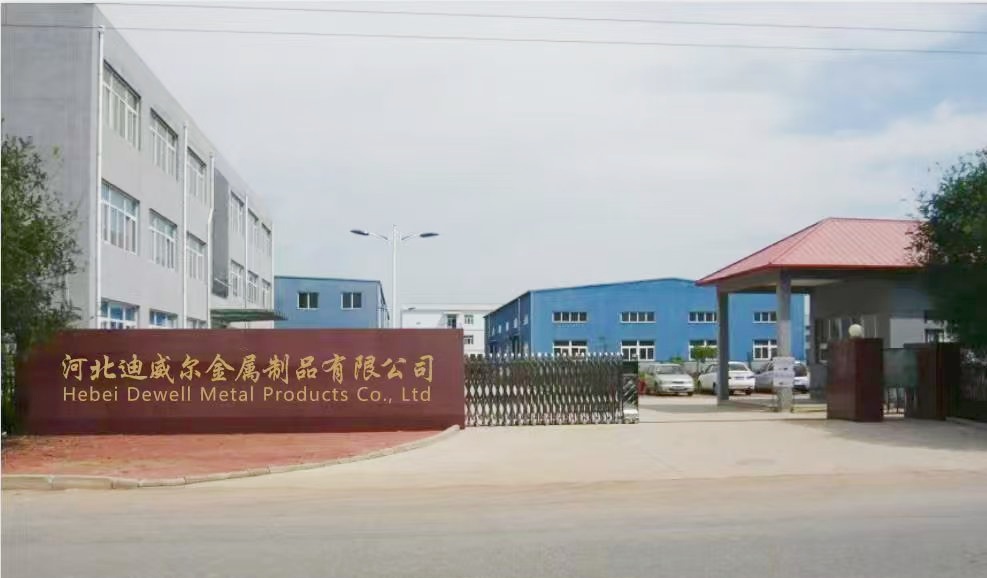
At Hebei Dewell Metal Products Co., LTD, our production lines in Yongnian District, Handan City, are optimized to manufacture these components with tight tolerances. Since 2015, we have integrated advanced R&D with large-scale forging capabilities to produce shackles that adhere to strict dimensional accuracy. This precision is vital because even minor deviations in the pin hole alignment can lead to catastrophic failure under heavy loads.
Key Structural Components
- The Bow: The curved part of the shackle that holds the load. In American D-types, this is narrower than in bow shackles, concentrating strength along the centerline.
- The Ears (Lugs): The two parallel ends of the bow that contain the pin holes. These must be perfectly aligned to ensure the pin slides in smoothly and bears the load evenly.
- The Pin: The removable bolt that secures the shackle. American D-type shackles typically use screw pins or round pins with cotters, depending on the application’s vibration levels.
- The Shoulder: The unthreaded portion of the screw pin that rests against the ear when tightened, preventing the threads from bearing the shear load.
American D-Type vs. European Bow Shackles: Key Differences
Selecting the correct shackle type is critical for safety and efficiency. A common question in the industry is the difference between American D-type shackles and European bow shackles. While both serve as connectors, their structural differences dictate their optimal use cases.
| Feature |
American D-Type Shackle |
European Bow Shackle |
| Shape |
Narrow, D-shaped bow |
Wider, oval or bow-shaped |
| Load Capacity |
Higher tensile strength inline |
Moderate tensile strength |
| Side Loading |
Poor resistance to side loads |
Better resistance to multi-directional loads |
| Weight |
Generally lighter for same WLL |
Heavier due to more material in bow |
| Primary Use |
Lifting, towing, single-line connections |
Mooring, slinging, multi-leg connections |
| Pin Type |
Often screw pin or round pin |
Screw pin, bolt type, or safety pin |
The American D-type shackle is superior when the load is applied strictly in line with the pin. Its narrower profile reduces weight while maintaining high working load limits (WLL). Conversely, if a rigging setup involves angles or side pulls, a bow shackle might be preferred. However, for direct lifting and towing operations common in construction and maritime industries, the D-type remains the gold standard for efficiency and strength.
Material Specifications and Manufacturing Standards
The integrity of an American D-type shackle depends heavily on the materials used and the manufacturing process. At Hebei Dewell Metal Products Co., LTD, we utilize high-grade carbon steel and alloy steel to ensure our products meet the demanding requirements of global markets.
Common Material Grades
- Carbon Steel (Grade 30/40): Suitable for general-purpose lifting and non-critical applications. These are cost-effective and offer good durability for moderate loads.
- High-Tensile Steel (Grade 60/70): Heat-treated to provide higher strength-to-weight ratios. Ideal for heavy industrial lifting where weight reduction is beneficial.
- Alloy Steel (Grade 80/100): Quenched and tempered for maximum strength. These are used in critical lifting operations, offshore drilling, and heavy construction.
- Stainless Steel (316/304): Used in marine environments or chemical plants where corrosion resistance is paramount. While slightly lower in tensile strength compared to alloy steel, they offer exceptional longevity in harsh conditions.
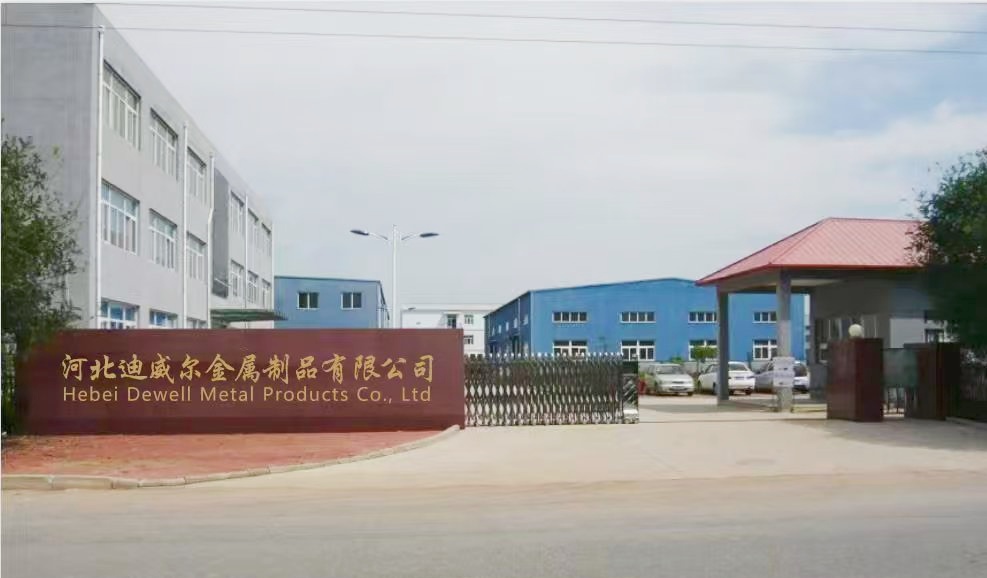
Our factory in Hebei Province covers over 10 acres and houses more than 60 large-scale production units, including automated forging presses and heat treatment furnaces. This infrastructure allows us to control the metallurgical properties of each batch. We strictly organize production according to national and international standards, ensuring that every shackle undergoes rigorous quality checks before leaving our surface treatment plants.
Surface Treatment Options
To enhance corrosion resistance and extend service life, American D-type shackles undergo various surface treatments. The choice of finish depends on the operating environment:
- Hot Dip Galvanizing (HDG): Provides a thick zinc coating, offering excellent protection against rust in outdoor and marine environments. This is the most common finish for industrial shackles.
- Electro-Galvanizing: A thinner zinc layer that provides a smoother finish. Suitable for indoor applications or less corrosive environments.
- Painted/Powder Coated: Offers color coding for load identification and basic corrosion protection. Often used in warehouses or controlled industrial settings.
- Self-Color (Black Oxide): Untreated finish, usually oiled to prevent immediate rusting during storage. Typically used for further processing or specific customer requirements.
How to Choose the Right American D-Type Shackle
Selecting the appropriate shackle involves more than just matching the size of the chain or rope. Engineers and procurement managers must consider several factors to ensure safety and compliance. As a supplier with extensive experience in domestic and international sales, Hebei Dewell Metal Products Co., LTD advises clients to evaluate the following parameters.
1. Determine the Working Load Limit (WLL)
The WLL is the maximum mass or force that the product is authorized to support in general service when the pull is applied in line with the centerline of the product. Never exceed the WLL. For critical lifts, a safety factor (usually 4:1 or 5:1) is applied to the breaking strength to determine the WLL. Always choose a shackle with a WLL higher than the maximum expected load.
2. Identify the Pin Type
The pin type determines how securely the shackle closes and how easily it can be opened.
- Screw Pin: The most common type. Easy to install and remove but may loosen under rotational loads. Ideal for temporary rigging.
- Bolt Type with Nut: Secured with a nut and cotter pin. More secure than screw pins and suitable for long-term or semi-permanent installations.
- Round Pin with Cotter: Uses a smooth pin held in place by a cotter pin. Excellent for applications with high vibration or rotation, as there are no threads to strip or loosen.
- Safety Bolt Type: Features a locking mechanism to prevent accidental opening. Required in high-risk environments where pin loss could be catastrophic.
3. Check Compatibility with Slings and Chains
The inside width of the shackle bow must accommodate the thickness of the chain links or the diameter of the wire rope slings. If the fit is too tight, it can cause point loading and damage the sling. If too loose, it may allow the sling to twist or bind. American D-type shackles are designed with specific internal dimensions to match standard chain sizes.
4. Consider Environmental Factors
If the shackle will be used in a marine environment, chemical plant, or outdoor exposure, stainless steel or hot-dip galvanized finishes are essential. Standard carbon steel will rust quickly without proper protection, compromising structural integrity over time.
Applications of American D-Type Shackles
American D-type shackles are versatile components used across various industries. Their robust design makes them suitable for any application requiring a strong, reliable connection point.
Construction and Infrastructure
In construction, these shackles are used to lift steel beams, concrete panels, and heavy machinery. They connect crane hooks to lifting slings, providing a secure interface that can handle dynamic loads during lifting operations. The high tensile strength of Grade 80 and 100 alloy shackles makes them indispensable for skyscraper construction and bridge building.
Marine and Offshore
The maritime industry relies heavily on D-type shackles for mooring lines, anchor chains, and towing operations. Stainless steel or hot-dip galvanized shackles resist saltwater corrosion, ensuring long-term reliability. On offshore oil rigs, they secure heavy equipment and facilitate the transfer of supplies between vessels and platforms.
Transportation and Logistics
In logistics, American D-type shackles are used to secure cargo on flatbed trucks, railcars, and shipping containers. They provide anchor points for tie-down straps and chains, preventing load shift during transit. Their compact D-shape allows for easy integration into tight spaces within transport vehicles.
Entertainment and Rigging
Stage rigging for concerts and theater productions requires hardware that is both strong and lightweight. Alloy steel D-type shackles are preferred here because they offer high strength-to-weight ratios. They are used to hang lighting fixtures, speakers, and scenery safely above stages and audiences.
Installation and Maintenance Best Practices
Proper installation and maintenance are crucial for the safe operation of American D-type shackles. Even the highest quality shackle can fail if misused or neglected. Hebei Dewell Metal Products Co., LTD emphasizes the following best practices to our clients.
Installation Guidelines
- Tighten Screw Pins Fully: When using screw pins, tighten them until the shoulder contacts the shackle ear. Do not rely on the threads to hold the load; the shoulder must bear the shear force.
- Secure Cotter Pins: For round pins, always insert a new cotter pin and spread its legs to prevent it from falling out. Never reuse old cotter pins.
- Avoid Side Loading: Ensure the load is applied inline with the shackle’s axis. Side loading can reduce the WLL by up to 50% or more, leading to potential failure.
- Inspect Before Use: Check for cracks, deformation, or thread damage before every use. If any defects are found, remove the shackle from service immediately.
Maintenance and Inspection
Regular inspections should be conducted by qualified personnel. Look for signs of wear, such as elongation of the bow, thinning of the pin, or corrosion pitting. Clean shackles regularly to remove dirt and debris that can hide cracks. Store them in a dry, well-ventilated area to prevent rust. If a shackle has been overloaded or subjected to shock loading, it should be discarded and replaced, even if no visible damage is apparent.
Why Choose Hebei Dewell Metal Products Co., LTD?
As a modern enterprise integrating science, industry, and trade, Hebei Dewell Metal Products Co., LTD stands out as a reliable partner for your rigging hardware needs. Located in Yongnian District, Handan City—the largest standard parts distribution center in China—we leverage our strategic location and advanced infrastructure to deliver superior products.
Since our establishment in 2015, we have adhered to the service philosophy of “integrity first, quality first.” Our factory spans over 10 acres and employs more than 100 skilled workers. With over 60 large-scale production equipment pieces and two dedicated R&D departments, we ensure that every American D-type shackle meets precise specifications.
We offer more than 400 varieties of products, including bolts, nuts, and stamped parts, catering to diverse industrial needs. Our commitment to quality is reflected in our exports to Japan, South Korea, Europe, America, and Southeast Asia. By strictly organizing production according to national standards and striving for perfection, we have established more than 30 sales and service outlets nationwide.
Our development goal is to promote the spirit of screws and bring standards to the industry. We believe in achieving win-win results with our customers through continuous cooperation and transparent business practices. Whether you need standard off-the-shelf shackles or custom-engineered solutions, Dewell Company is equipped to deliver.
Frequently Asked Questions (FAQ)
What is the safety factor for American D-type shackles?
Most industrial American D-type shackles are designed with a safety factor of 4:1 or 5:1. This means the breaking strength is four to five times the Working Load Limit (WLL). Always check the manufacturer’s certification for the specific safety factor of the product you are purchasing.
Can I use a D-type shackle for side loading?
No, D-type shackles are not designed for side loading. Their strength is concentrated along the inline axis. Side loading can significantly reduce their capacity and cause premature failure. For applications involving side loads or multi-directional forces, consider using a bow shackle instead.
How do I determine the correct size for my chain?
The inside width of the shackle bow should be slightly larger than the diameter of the chain link. This ensures a snug fit without binding. Refer to standard sizing charts provided by manufacturers like Hebei Dewell Metal Products Co., LTD to match shackle sizes with corresponding chain grades and diameters.
Are American D-type shackles suitable for overhead lifting?
Yes, provided they are rated for lifting and have the appropriate certification (such as CE or ASME). Ensure the shackle is made from high-tensile or alloy steel and inspected regularly for wear and damage. Always follow local safety regulations for overhead lifting operations.
What is the difference between a screw pin and a bolt type shackle?
A screw pin shackle has a threaded pin that screws into one ear, making it quick to open and close. A bolt type shackle uses a pin with a separate nut and cotter pin, offering greater security against loosening. Screw pins are better for frequent changes, while bolt types are better for semi-permanent or high-vibration applications.
Conclusion
American D-type shackles are indispensable tools in modern industrial rigging, offering a perfect balance of strength, durability, and ease of use. Understanding their structural advantages, material options, and proper application methods is essential for maintaining safety and efficiency in lifting and towing operations.
For businesses seeking a reliable supplier, Hebei Dewell Metal Products Co., LTD offers a comprehensive range of high-quality shackles manufactured to international standards. With our state-of-the-art facilities in Hebei Province and a commitment to integrity and quality, we are well-positioned to support your project needs, whether domestic or international.
If you are looking for premium American D-type shackles that combine engineering excellence with competitive pricing, contact our team today. Let us help you select the right specifications for your specific application.
View Our Full Range of Rigging Hardware and Fasteners