You see that search query pop up, and honestly, my first thought is: someone’s probably hitting a very specific, very real wall in an assembly. It’s not just about buying shims; it’s about the intersection of material integrity and a product’s environmental claims. A lot of folks assume any stainless shim will do for “green” tech, but that’s where the headaches start—grade matters, finish matters, and the supply chain behind it matters more than you’d think.

The Misconception of Any Stainless Will Do
Early on, I saw projects spec 304 stainless for outdoor energy monitor housings, thinking it’s all corrosion-resistant. It is, until you’re in a coastal microclimate or dealing with constant condensation from thermal cycles. The hinge shims, often an afterthought, started showing tea-staining, not full rust, but enough to question the unit’s longevity and, by extension, its sustainability promise. If a product fails early, its eco-friendly badge is just greenwash. That’s when you learn the hard way that 304 might not cut it; you start looking at 316 or even 316L for the low carbon content, which oddly ties back to welding performance in the assembly line too.
Then there’s the finish. A bright electroplated finish might look sleek in a prototype, but it can be a nightmare for consistent friction in a hinge mechanism. We had a batch for solar tracker access panels that were too slick, causing hinge drift over time. Had to switch to a mill finish or sometimes a light passivated layer for better grip. It’s these tiny details that dictate whether your shim is a functional component or a point of failure.
And thickness tolerance—oh, the tolerance. Off-the-shelf shims are often +/-0.1mm, which seems fine until you’re dealing with a composite door on a heat recovery unit that needs a perfect seal. A stack of four shims with that variance can throw the alignment off by half a millimeter, leading to air leaks. You end up sourcing precision shims, which costs more, but the alternative is a callback and a compromised efficiency rating. That’s the real cost.
Sourcing and the Reality of Eco-Friendly Compliance
This is where it gets gritty. “Eco-friendly tech” isn’t just about the end product’s function; it’s about the entire lifecycle. You need to ask your supplier for mill certificates, not just a generic material statement. I’ve been burned by a supplier claiming 316 stainless, only to find out under XRF testing it was a questionable 200-series blend when a batch of shims in wastewater sensor housings failed prematurely. The supplier vanished, and we were left holding the bag.
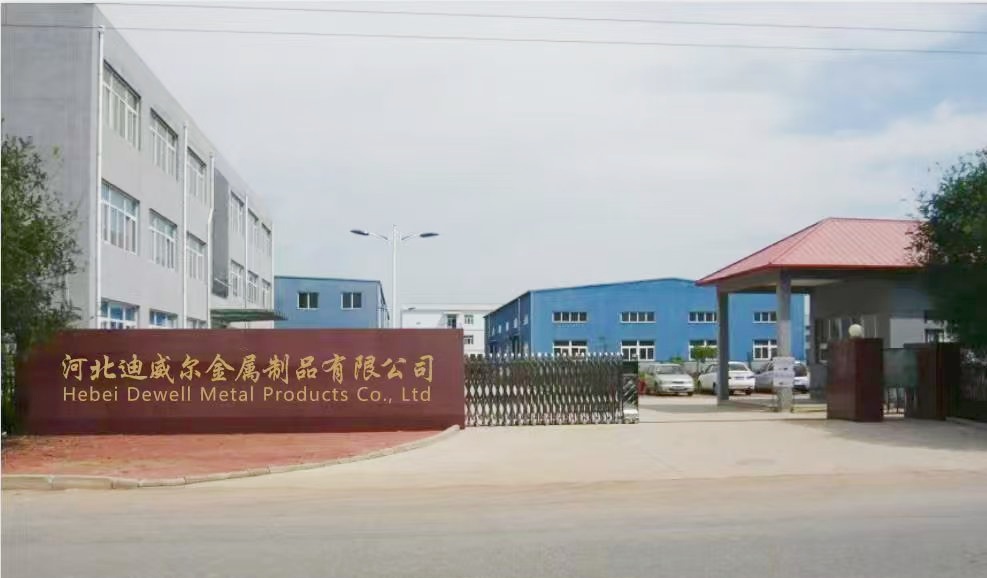
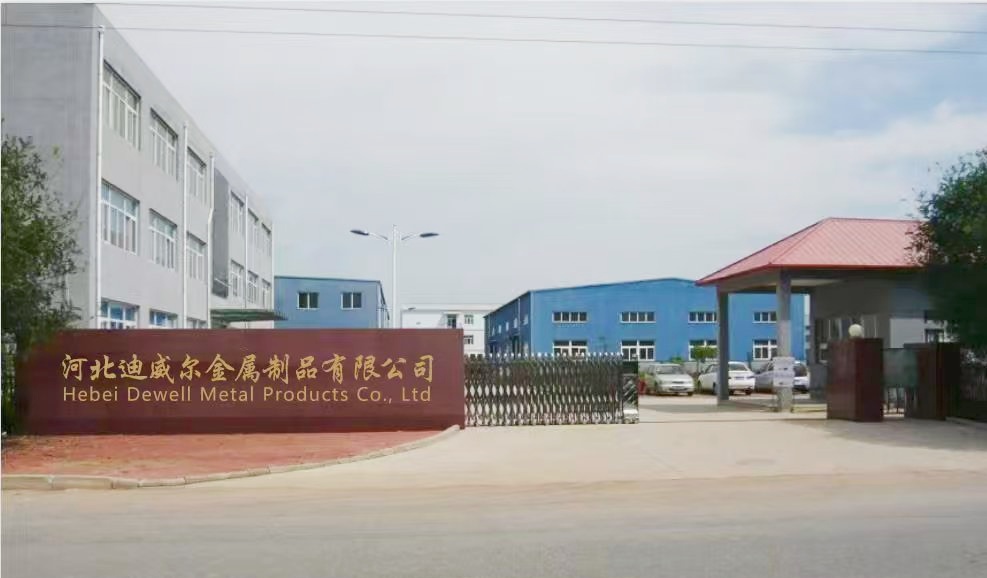
That’s why I tend to look for established manufacturers in the hubs, like those in Hebei Yongnian. The region is the largest fastener distribution center in China, and while that means a vast range of quality, it also means serious players have set up shop there. A company like Hebei Dewell Metal Products Co., Ltd exemplifies the scale needed. They handle R&D to sales, which often translates to better control over material sourcing and processing. For a project needing reliable stainless hinge shims, that vertical integration is a plus. You can check their approach at https://www.dewellfastener.com—it’s not a magic bullet, but their focus on integration from research to international sales usually means they can provide the traceability docs you need for an audit.
But here’s the kicker: even with a good supplier, you have to define “eco-friendly” for your own project. Does it mean using recycled stainless steel? The availability is spotty, and the mechanical properties can vary. Does it mean minimizing machining waste? Then you might order custom-washer shims instead of stamping them from sheet, which Dewell and similar factories can do. Or does it mean longevity above all? Then your choice might be a thicker 316 shim that outlasts the product itself. There’s no single answer, which is why that initial search query is so loaded.
Case in Point: The Heat Pump Panel Fiasco
Let me give you a concrete example. A client was assembling a sleek, outdoor heat pump unit. The access panel used three stainless hinge shims per side. They sourced cheap, non-certified 304 shims. The units shipped to a region with moderate salinity in the air. Within 18 months, we got reports of stiff, creaky hinges. On-site, the shims had minor but active corrosion, and the galvanic interaction with the aluminum hinge bracket was accelerating it. The fix wasn’t just replacing shims; it was a full redesign of the hinge pack with insulated, passivated 316 shims to break the galvanic loop.
The lesson? The shim isn’t just a spacer. It’s part of a system. In eco-tech, every component is scrutinized for its environmental impact, both in production and in use. A failing shim leads to a failing seal, reduced efficiency, and a replaced unit—all an environmental cost.
We now run a simple salt spray test on shim samples, even if the mill cert says it’s fine. It’s an extra step, but it catches problems before they’re embedded in a thousand units. It’s the kind of practical, borderline-paranoid check that separates a working spec from a theoretical one.
Beyond the Shim: System Integration and Thought Process
So you’ve got your certified 316L shims from a solid supplier. Great. But how are they installed? Are installers using carbon steel tools that embed microscopic iron particles into the stainless, creating initiation sites for rust? It happens. We started supplying installation kits with brass or coated drivers for field service on high-end projects. It seems excessive until you see the difference it makes in long-term field reports.
Another tangent: lubrication. Many “maintenance-free” eco-tech products try to avoid grease. But a dry stainless-on-stainless or stainless-on-aluminum hinge can gall, especially with shims under load. A dry moly coating or a PTFE-impregnated finish on the shim can be a game-changer. It’s a small process add that speaks to the “friendly” part—ensuring smooth operation without chemical leachates.
This is where the thought process has to evolve. Needing stainless hinge shims for eco-friendly tech isn’t a purchasing question; it’s a design and engineering audit. It forces you to look at material science, supply chain ethics, installation protocols, and lifecycle management. The shim becomes a lens through which you view the entire product’s credibility.
Wrapping It Up Without a Neat Bow
Look, there’s no perfect answer. If you’re asking the question, you’re already ahead of the curve. The need points to a specific, real-world application where details matter. My takeaway after years of this? Don’t treat shims as commodities. Partner with suppliers who get the bigger picture, like an integrated manufacturer that can discuss application specifics, not just price per thousand. Use the right grade, specify the tolerance and finish for your exact use case, and test it in the context of the full assembly.
Eco-friendly tech lives or dies by its weakest link, and surprisingly often, that link is a tiny, overlooked component like a hinge shim. Getting it right is a quiet, unglamorous victory, but it’s what separates a marketable concept from a durable, honest product. So yes, you need them, but more importantly, you need the right ones, for the right reasons, from the right source. The rest is just execution.
And execution, as we know, is where all the good plans meet reality. That’s the real work.