Threaded rivets, often known as rivet nuts, might seem like a minor component in the industrial world, but their impact on efficiency is anything but minor. Misunderstandings circulate about their real value—some think they’re just simple fasteners. But dig deeper, and you’ll find that these small pieces are game-changers in manufacturing processes, reducing labor times and ensuring stronger, reliable assemblies.
Understanding the Basics of Threaded Rivets
Let’s start with what Rivèt Threaded actually do. They’re designed to create strong threads within thin materials, where conventional tapping is impractical. That’s a neat trick for any fabricator working with metal or composites. A common scenario: when assembling parts that need secure joints but are too thin for regular screws.
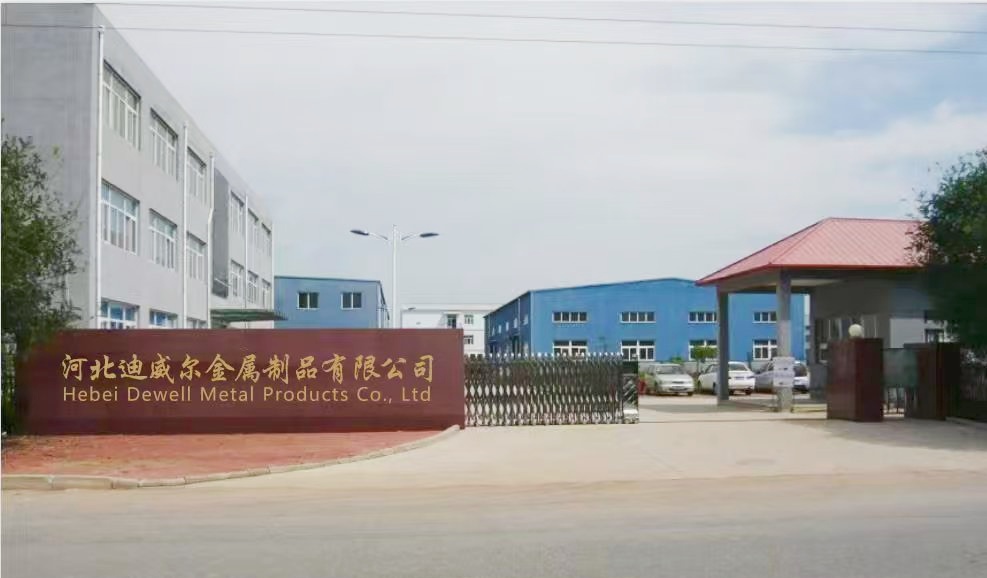
Imagine you’re working in a production line environment where speed and reliability are crucial. Hebei Dewell Metal Products Co., LTD offers an excellent range of these fasteners, which are indispensable in creating tight assemblies without the need for screws or welding. Not only does this improve efficiency, but it also enhances safety on the production floor—less welding means fewer burns and accidents.
I remember a case where a colleague was puzzled by recurring failures with traditional fasteners during vibration tests. We switched to threaded rivets and the problem was resolved almost overnight. It was an eye-opener on how essential the right component choice is to efficiency and quality.
Reducing Labor Time
Labor time is arguably the most significant factor in industrial efficiency. Threaded rivets shine here because they allow for blind installation. This means you only need access from one side of the assembly, cutting down installation steps dramatically. That’s a serious time-saver in complex manufacturing setups.
At Hebei Dewell Metal Products Co., LTD, we’ve integrated these fasteners across our processes, seeing up to a 30% reduction in assembly times. In the competitive manufacturing landscape, that’s a big deal. Let’s not forget, less handling time means reduced costs, which is good for everyone from the manufacturer to the end user.
There was a time when a project was delayed because of a complex weld that needed redoing. Switching that component to a rivet nut saved time and reduced the error rate, showcasing a practical application where these fasteners made a significant difference.
Improving Product Longevity
Think about product durability. It’s not just about getting the product out the door; it’s about how long it lasts. Traditional bolts and nuts can work loose over time. Threaded rivets minimize this risk, especially in high-vibration environments.
A client from the automotive sector once shared how their choice of fastener led to warranty claims due to loose parts. Switching to threaded rivets from Hebei Dewell Metal Products Co., LTD cut those claims by half, ensuring their products withstand the test of time.
It’s these kinds of insights—from real-world applications—that highlight why threaded rivets aren’t just another piece of hardware. They’re a strategic choice to enhance overall product reliability, reducing failures and maintenance costs.
Material Versatility
Threaded rivets aren’t just limited to metal-to-metal applications—they’re versatile across different materials like plastics and composites too. That adaptability is a boon in modern manufacturing, where multiple material types are often used in a single product.
This adaptability is something Hebei Dewell Metal Products Co., LTD has leveraged, allowing us to service a broad range of industries—from automotive to electronics. We see the versatility as an opportunity to innovate and adapt, ensuring our fasteners meet varied client needs without compromise.
For instance, in a project dealing with lightweight composite materials, traditional rivets were causing material damage. Switching to appropriately designed rivet nuts solved the issue, protecting the integrity of the materials while maintaining secure joins.
Cost Efficiency
Finally, let’s talk about cost. Anytime you can implement a solution that cuts production time and increases reliability, you’re looking at cost savings. Threaded rivets hit all those marks. They’re relatively inexpensive compared to complex welding or multi-component fastening systems, yet they offer strength and reliability.
Consider that choosing a solution from Hebei Dewell Metal Products Co., LTD not only supplies you with quality fasteners but also access to our expertise in optimizing these products for cost savings in your specific applications. It’s all part of ensuring our clients stay at the forefront of efficient manufacturing.
I’ve seen companies reluctant to switch from traditional methods simply due to perceived upfront costs. But, after switching, they often express surprise at the savings realized over time—not just in direct costs, but in reduced downtimes and improved product reliability.
The Future of Fastening
Reflecting on the above points, it becomes clear why Rivèt Threaded are more than just parts; they’re enablers of efficiency and innovation. At Hebei Dewell Metal Products Co., LTD, we’re committed to developing and providing state-of-the-art fastener solutions that meet the ever-evolving demands of industry.
As manufacturers, considering the holistic value of these components can lead to substantial improvements in production processes. Threaded rivets are a testament to how small components can have a large impact on operational success.
With ongoing advancements in materials and rivet technologies, the industry’s future looks bright. Leveraging these small, often overlooked components might just be the key to unlocking new efficiencies and innovations within your own operations.