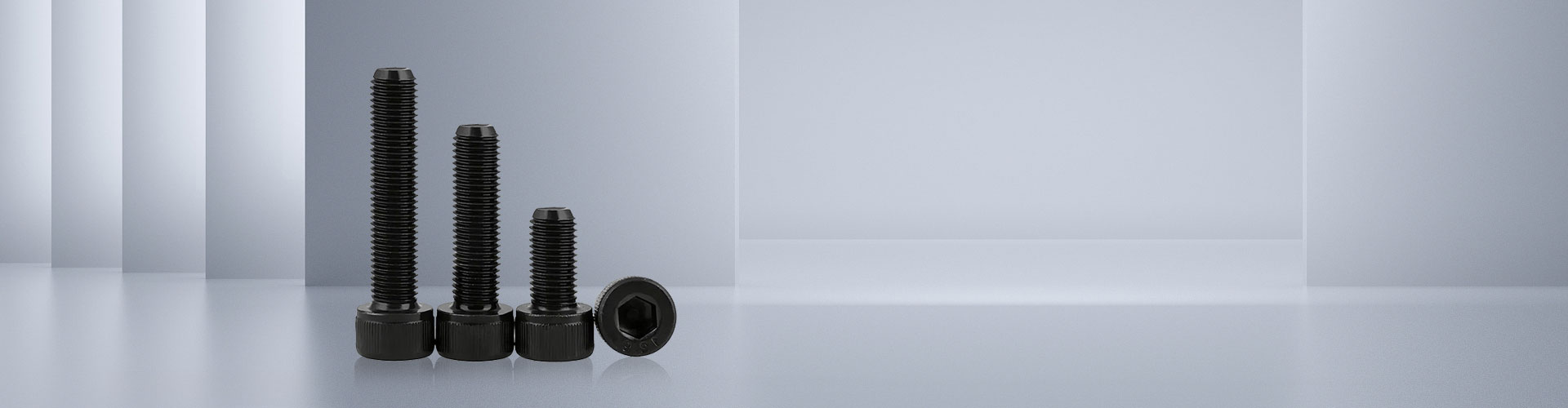
A Head tèt vis is a fastener featuring a six-sided external drive, designed for high-torque applications where secure clamping and durability are paramount. Widely used in construction, automotive, and heavy machinery, these screws offer superior resistance to stripping compared to internal drive types. This guide details their types, sizing standards, material grades, and expert selection criteria to ensure optimal performance in demanding environments.
What Is a Hex Head Screw and How Does It Work?
The fundamental design of a Head tèt vis revolves around its external hexagonal geometry. This shape allows wrenches or sockets to apply significant rotational force, known as torque, without slipping. Unlike Phillips or slotted drives that cam out under high pressure, the hex head distributes stress evenly across six contact points.
This mechanical advantage makes them the industry standard for structural connections. The head sits atop a threaded shank, which engages with a nut or a pre-tapped hole. When tightened, the screw creates a clamping force that holds components together securely. The effectiveness of this system relies on precise manufacturing tolerances and material strength.
Engineers prefer hex heads for critical assemblies because they facilitate rapid installation with power tools while maintaining reliability. The geometry also allows for easier visual inspection of tightness and alignment. In sectors like infrastructure and heavy equipment, this reliability is non-negotiable.
The Mechanics of Torque Transmission
Torque transmission in a hex head screw is purely geometric. The flat sides of the hexagon provide a broad surface area for the tool jaws to grip. This minimizes point loading, which reduces the risk of rounding off the corners—a common failure mode in softer drive systems.
- High Torque Capacity: The external drive can handle significantly higher torque levels than internal drives like Allen or Torx.
- Tool Accessibility: Standard open-end wrenches, box-end wrenches, and sockets can all engage the head, offering versatility in tight spaces.
- Resistance to Deformation: The solid head structure resists deformation better than recessed heads, especially when made from hardened steel.
Understanding this mechanics helps in selecting the right tool size. Using an undersized wrench can damage both the tool and the fastener, leading to joint failure. Proper tool matching is a basic yet critical aspect of professional assembly.
Common Types of Hex Head Screws
While the head shape remains consistent, hex head screws vary significantly in thread design, point style, and shoulder configuration. Choosing the correct type depends on the materials being joined and the required load-bearing capacity. Industry professionals categorize them based on these functional differences.
The most prevalent variations include hex cap screws, hex bolts, and flange screws. Each serves a distinct purpose within mechanical assemblies. Misidentifying these types can lead to improper fitment or reduced structural integrity.
Hex Cap Screws vs. Hex Bolts
The terms “hex cap screw” and “hex bolt” are often used interchangeably, but technical distinctions exist regarding their manufacturing and application. A Egzagòn bouchon vis typically features a chamfered point and fully formed threads that extend closer to the head. They are generally manufactured to tighter tolerances.
In contrast, a boulon egzèsis may have a blunt or gimlet point and often includes an unthreaded shank section beneath the head. These are commonly used with nuts in general construction. The distinction matters in precision engineering where thread engagement length is critical.
| Patikilarite | Egzagòn bouchon vis | Boulon egzèsis |
| Point Style | Chamfered (angled) | Blunt or Gimlet |
| Thread Length | Threads run close to the head | Often has an unthreaded shank |
| Tolerans | Tighter, precision-focused | Standard, general-purpose |
| Primary Use | Machinery, precision assemblies | Structural steel, wood-to-metal |
Selecting between these two depends on the specific joint requirements. For high-vibration environments, the precise thread engagement of a cap screw often provides better resistance to loosening.
Flange Hex Screws
A flange hex screw integrates a wide circular bearing surface directly under the head. This flange acts as a built-in washer, distributing the clamping load over a larger area. This design eliminates the need for a separate washer in many applications, speeding up assembly time.
The flange also helps prevent the screw from pulling through soft materials like plastic or thin sheet metal. Some flange screws feature serrations on the underside of the flange. These serrations bite into the mating surface, providing enhanced resistance to rotation and loosening caused by vibration.
- Load Distribution: Reduces surface pressure, protecting delicate materials.
- Assembly Efficiency: Fewer components to manage during installation.
- Rezistans Vibration: Serrated flanges lock the fastener in place dynamically.
These screws are ubiquitous in automotive engines and appliance manufacturing. Their ability to simplify the bill of materials while maintaining performance makes them a preferred choice for mass production.
Hex Head Screw Sizes and Standards
Navigating the sizing of vis tèt egzèsis requires familiarity with global measurement systems. The two dominant standards are the Imperial (UNC/UNF) system used primarily in the United States and the Metric (ISO) system used globally. Confusing these systems can result in catastrophic joint failures.
Sizing involves three key dimensions: nominal diameter, thread pitch, and length. Additionally, the wrench size required to turn the head is a critical specification for tooling. Professionals must verify all dimensions against engineering drawings before procurement.
Imperial vs. Metric Sizing Systems
In the Imperial system, screws are defined by their diameter in inches and the number of threads per inch (TPI). For example, a 1/4″-20 screw has a quarter-inch diameter and 20 threads per inch. Length is measured in inches, usually from under the head to the tip.
A Metric system uses millimeters for diameter and pitch. An M8 x 1.25 screw has an 8mm diameter with a 1.25mm distance between threads. Metric pitches are standardized, making identification slightly more straightforward once the diameter is known. Length is also measured in millimeters.
It is crucial never to mix these systems. Forcing a metric nut onto an imperial bolt may seem to fit initially but will strip the threads under load. Visual identification can be tricky; using a thread gauge is the only reliable method for verification in the field.
Understanding Thread Pitch and Length
Anplasman fil determines how fine or coarse the threading is. Coarse threads (like UNC or standard Metric) are easier to assemble and more resistant to cross-threading. They are ideal for softer materials like wood or cast iron.
Fine threads (like UNF or fine Metric) offer greater tensile strength and better resistance to vibration loosening. They allow for finer adjustments in tensioning. However, they require more turns to install and are more susceptible to damage if debris is present.
- Coarse Threads: Faster assembly, better for brittle materials, higher resistance to stripping.
- Fine Threads: Higher strength, better vibration resistance, precise tension control.
- Length Measurement: Always measure from the bearing surface (under the head) to the extreme tip, excluding the head height.
Correct length selection ensures adequate thread engagement. A general rule of thumb is that the engaged length should be at least equal to the nominal diameter of the screw for steel, and double for softer materials like aluminum or brass.
Klas materyèl ak klas fòs
Pèfòmans nan yon Head tèt vis is fundamentally limited by its material properties. Industry standards classify these fasteners into grades or classes that indicate their tensile strength, yield strength, and hardness. Selecting the wrong grade can lead to shearing or stretching under load.
Common materials range from low-carbon steel for general use to alloy steels for high-stress applications. Stainless steel and exotic alloys are reserved for corrosive environments. Understanding these markings is essential for safety-critical applications.
Decoding Steel Grades (SAE and ISO)
In the SAE (Society of Automotive Engineers) system, steel hex head screws are marked with radial lines on the head. A Grade 2 screw has no marks and is made of low carbon steel, suitable for light-duty tasks. As the number of lines increases, so does the strength.
Klas 5 screws feature three radial lines and are medium carbon steel, quenched and tempered. They are widely used in automotive applications. Klas 8 screws, marked with six radial lines, are high-strength alloy steel used in heavy machinery and suspension systems.
The ISO metric system uses numbers stamped on the head, such as 8.8, 10.9, or 12.9. The first number indicates one-hundredth of the minimum tensile strength in MPa. The second number represents the yield strength ratio. For instance, a 10.9 bolt has a tensile strength of 1000 MPa and a yield strength of 90% of that value.
| Estanda | Grade/Class | Head Marking | Tipik aplikasyon |
| SAE (Imperial) | Klas 2 | Okenn | General purpose, low stress |
| SAE (Imperial) | Klas 5 | 3 Radial Lines | Otomobil, machin |
| SAE (Imperial) | Klas 8 | 6 Radial Lines | Heavy duty, suspension |
| ISO (Metric) | 8.8 | “8.8” | Structural steel, general engineering |
| ISO (Metric) | 10.9 | “10.9” | High stress, dynamic loads |
| ISO (Metric) | 12.9 | “12.9” | Critical high-tension applications |
Using a higher grade than necessary is generally safe but can be cost-prohibitive. However, substituting a lower grade for a specified high-grade fastener is a severe safety violation that can lead to structural collapse.
Stainless Steel and Corrosion Resistance
For environments exposed to moisture, chemicals, or salt, asye pur hex head screws are the standard solution. These are typically categorized under the A2 (304) or A4 (316) designations. A2 offers good general corrosion resistance, while A4 provides superior protection against chlorides and marine environments.
Unlike carbon steel, stainless steel fasteners are not graded by tensile strength in the same manner but rather by their alloy composition. They are generally softer than hardened alloy steel, meaning they may have lower shear strength. In high-load applications requiring corrosion resistance, specialized high-strength stainless alloys are available.
- A2 (304): Suitable for indoor and mild outdoor environments.
- A4 (316): Essential for marine, chemical processing, and coastal areas.
- Galvanized: Carbon steel coated with zinc for moderate corrosion protection at a lower cost.
Galvanic corrosion is a risk when mixing different metals. Using stainless steel screws in aluminum structures, for example, requires isolation washers to prevent electrochemical degradation of the base material.
Installation Best Practices and Torque Specifications
Proper installation is just as critical as selecting the right Head tèt vis. Even the highest grade fastener will fail if installed incorrectly. The primary goal is to achieve the correct clamp load without exceeding the yield strength of the bolt or damaging the mating surfaces.
Torque control is the most common method for achieving proper tension. However, friction variables can affect the relationship between applied torque and actual clamp load. Professionals use calibrated tools and established procedures to mitigate these variables.
Gid Enstalasyon Etap-pa-Etap
Following a systematic approach ensures consistency and safety during assembly. This process applies to both manual and powered tool installations.
- Inspect Components: Check the screw, nut, and holes for debris, rust, or damaged threads. Clean if necessary.
- Lubrication: Apply appropriate lubricant to the threads and bearing surface if specified. This reduces friction and ensures accurate torque readings.
- Hand Tighten: Start the screw by hand to ensure proper thread engagement and avoid cross-threading.
- Snug Tightening: Use a tool to bring the parts into firm contact. Do not apply full torque yet.
- Final Torquing: Use a calibrated torque wrench to tighten to the specified value in a star or crisscross pattern if multiple fasteners are used.
- Verification: For critical joints, verify tension using angle measurement or direct tension indicators if required.
Tightening patterns are vital when securing flanges or plates with multiple screws. Tightening sequentially in a circle can warp the material. A star pattern ensures even distribution of clamping force across the entire joint.
Understanding Torque Values
Torque specifications are calculated based on the screw’s grade, diameter, and lubrication status. Over-torquing can stretch the bolt beyond its elastic limit, causing it to lose clamping force or snap. Under-torquing leaves the joint loose, leading to vibration-induced loosening.
Friction plays a massive role in torque application. Dry threads require higher torque to achieve the same clamp load as lubricated threads. Always refer to the manufacturer’s torque charts, which usually provide values for both dry and lubricated conditions.
- Dry Condition: Higher friction, requires higher torque setting.
- Lubricated Condition: Lower friction, requires lower torque setting to prevent over-stressing.
- Calibration: Torque wrenches must be calibrated regularly to maintain accuracy.
In modern high-precision industries, torque-angle methods are increasingly popular. This involves tightening to a snug torque and then rotating the screw a specific number of degrees. This method is less sensitive to friction variations and provides more consistent clamp loads.
Advantages and Limitations of Hex Head Screws
Every fastener solution involves trade-offs. While vis tèt egzèsis are versatile and robust, they are not the perfect solution for every scenario. Understanding their strengths and weaknesses helps engineers make informed design decisions.
Their dominance in heavy industry is well-earned, but in consumer electronics or aesthetic applications, other drive types might be preferable. A balanced view ensures the right tool is chosen for the job.
Key Advantages
The primary benefit of the hex head is its high torque capability. The external drive allows for the application of substantial force without the risk of the tool slipping out, which is a frequent issue with Phillips or slotted heads. This makes them ideal for large diameter fasteners used in structural steelwork.
Another significant advantage is tool availability. Hex wrenches, sockets, and adjustable spanners are universally available. In emergency repair situations or remote locations, the likelihood of finding a compatible tool is nearly 100%. This universality simplifies maintenance logistics.
- Durability: The head is less prone to rounding off compared to internal drives.
- Speed: Compatible with high-speed impact wrenches for rapid assembly.
- Enspeksyon vizyèl: Easy to see if a screw is loose or properly seated.
Furthermore, the design allows for the integration of washers (flange types) and locking features (serrations), enhancing functionality without adding complex parts. This simplicity contributes to their enduring popularity in engineering.
Potential Limitations
Despite their strengths, hex head screws have drawbacks. The external profile requires more radial clearance than internal drive screws. In extremely confined spaces where a socket cannot fit, a hex head may be impossible to install or remove without specialized universal joints.
Aesthetically, the protruding head is often considered less attractive than countersunk screws. In consumer products where appearance matters, designers often opt for hidden fasteners or internal drives. Additionally, the sharp corners of the hex head can pose snag hazards in moving machinery or pedestrian areas.
- Space Requirements: Needs sufficient room for the wrench or socket swing.
- Estetik: Protruding head may not suit finished surfaces.
- Safety: Exposed corners can catch on clothing or other components.
Corrosion can also be an issue if the protective coating is damaged during installation. Unlike some sealed internal drives, the external faces are fully exposed to the environment. Proper material selection and coating are essential to mitigate this risk.
Aplikasyon nan tout endistri yo
Adaptabilite a nan la Head tèt vis is evident in its widespread adoption across diverse sectors. From skyscrapers to smartphones (in internal frames), these fasteners hold the modern world together. Different industries have specific preferences based on their unique operational demands.
Identifying the typical applications helps in understanding the context of use and the specific requirements for each sector. This knowledge aids in troubleshooting and product development.
Konstriksyon ak enfrastrikti
In the construction industry, hex head bolts are the backbone of structural steel framing. High-strength Grade 8 or Class 10.9 bolts connect beams, columns, and trusses. These joints must withstand wind loads, seismic activity, and the dead weight of the structure itself.
Anchor bolts with hex heads are embedded in concrete foundations to secure heavy machinery and building columns. The ability to torque these massive fasteners to precise specifications ensures the stability of bridges, stadiums, and high-rise buildings. Durability and load capacity are the non-negotiable factors here.
Automotive and Heavy Machinery
The automotive sector relies heavily on flange hex screws for engine assembly, suspension systems, and chassis construction. The vibration resistance provided by serrated flanges is critical in vehicles that operate under constant dynamic stress. Engine blocks, cylinder heads, and wheel hubs all utilize high-grade hex fasteners.
Heavy machinery, such as excavators and agricultural equipment, uses large-diameter hex head screws to articulate booms and attach implements. These environments are dirty and abrasive, making the robustness of the external hex drive essential for maintenance crews working in the field.
Manufacturing and Industrial Equipment
In general manufacturing, hex cap screws are used to assemble conveyor systems, presses, and robotic arms. Precision machinery requires the tight tolerances offered by cap screws to maintain alignment. The ease of disassembly also facilitates routine maintenance and part replacement.
Hydraulic systems often utilize hex head plugs and fittings. The high torque capability ensures leak-proof seals under extreme fluid pressures. The standardization of sizes allows for interchangeable parts across different machines and manufacturers.
Partnering with Industry Leaders for Quality Fasteners
Given the critical role hex head screws play in safety and structural integrity, sourcing them from a reputable manufacturer is paramount. Leading the charge in China’s standard parts industry is Hebei Dewell Metal Products Co., Ltd. Located in Yongnian District, Handan City—the largest standard parts distribution center in China—Dewell is a modern enterprise integrating research, development, production, and global sales.
Since its establishment in 2015, Dewell has adhered to a philosophy of “integrity first, quality first,” fostering win-win relationships with customers worldwide. The company operates a factory spanning over 10 acres, equipped with more than 60 large-scale production units and dedicated surface treatment plants. With two specialized R&D departments, Dewell continuously innovates to produce over 400 varieties of bolts, nuts, and stamped parts, ensuring strict adherence to national and international standards.
With a workforce of over 100 employees and total assets exceeding 130 million yuan, Dewell has established more than 30 sales and service outlets across China. Their commitment to excellence has enabled exports to major markets including Japan, South Korea, Europe, the Americas, and Southeast Asia. Driven by the mission to “promote the spirit of screws and bring standards to the industry,” Dewell aims to serve the whole country and enter the global stage. By strictly organizing production according to rigorous standards, Dewell ensures that every fastener delivered meets the highest expectations of durability and precision, making them an ideal partner for projects demanding reliability.
Kesyon yo poze souvan (FAQ)
Addressing common queries helps clarify misconceptions and provides quick answers for professionals and DIY enthusiasts alike. These questions reflect real-world challenges encountered when working with vis tèt egzèsis.
What is the difference between a hex head screw and a socket head cap screw?
A Head tèt vis has an external six-sided head driven by a wrench or socket. A socket head cap screw (Allen bolt) has an internal hexagonal recess driven by an Allen key. Hex heads allow for higher torque application and easier tool access, while socket heads offer a lower profile and cleaner look.
Can I use a regular wrench on a hex head screw?
Yes, that is the primary design intent. Open-end wrenches, box-end wrenches, and adjustable spanners are all suitable for driving vis tèt egzèsis. However, for critical applications requiring precise torque, a calibrated torque wrench with the correct socket is recommended to ensure safety and accuracy.
How do I prevent a hex head screw from loosening due to vibration?
Several methods exist to prevent loosening. Using a lock washer, a nylon-insert lock nut, or a thread-locking adhesive (like Loctite) are common solutions. Alternatively, choosing a hex screw with a serrated flange provides built-in vibration resistance. Proper initial torquing is also essential to maintain clamp load.
Are metric and imperial hex head screws interchangeable?
No, they are not interchangeable. Although some sizes may appear similar (e.g., 5/16″ and M8), the thread pitch and diameters differ slightly. Forcing them together will damage the threads and compromise the joint’s integrity. Always match the fastener system to the corresponding nut or tapped hole.
What does the marking on the head of a hex bolt mean?
The markings indicate the grade or strength class of the bolt. In the Imperial system, radial lines denote grades (e.g., 3 lines for Grade 5). In the Metric system, numbers like “8.8” or “10.9” specify the tensile and yield strength. These markings are crucial for verifying that the fastener meets the engineering requirements of the application.
Conclusion and Selection Guide
A Head tèt vis remains an indispensable component in modern engineering, offering an unmatched balance of strength, versatility, and ease of use. From the foundational beams of skyscrapers to the intricate assemblies of high-performance engines, their reliability is proven across countless applications.
Choosing the right hex head screw involves more than just picking a size. It requires a careful evaluation of material grade, thread typeak environmental conditions. Professionals must prioritize matching the fastener’s specifications to the specific loads and stresses of the project to ensure long-term safety and performance.
Who should use this guide? This information is vital for mechanical engineers, construction managers, maintenance technicians, and serious DIY enthusiasts who demand reliability in their projects. Whether you are specifying components for a new design or replacing worn fasteners in existing machinery, understanding these nuances is key.
For your next project, start by defining the load requirements and environmental exposure. Consult the relevant SAE or ISO standards to select the appropriate grade. Always use calibrated tools for installation to achieve the intended clamp load. By partnering with trusted manufacturers like Hebei Dewell Metal Products Co., LTD and following these expert insights, you ensure that your assemblies stand the test of time and perform safely under pressure.