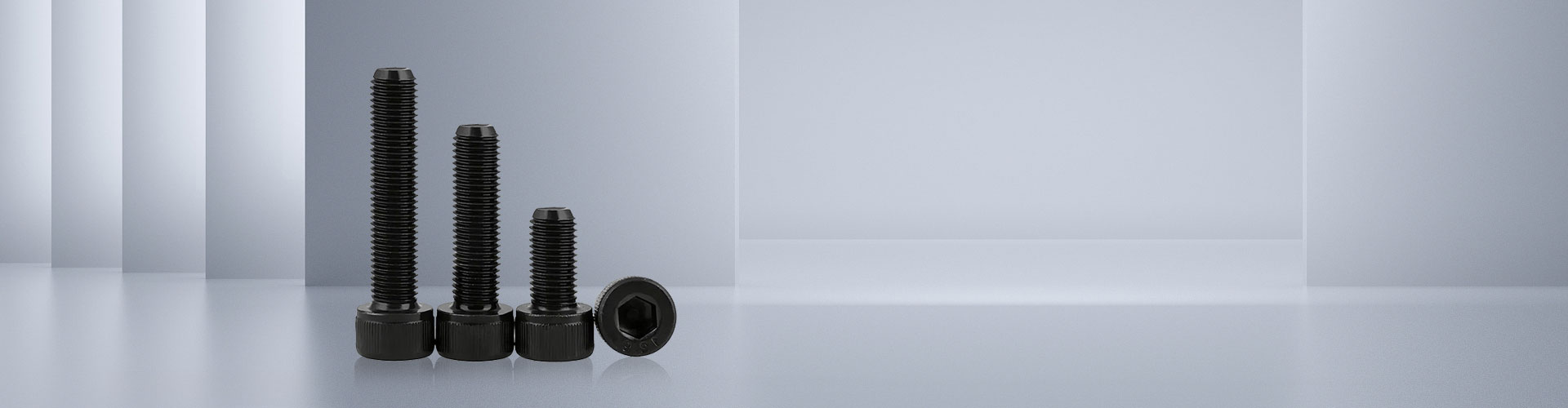
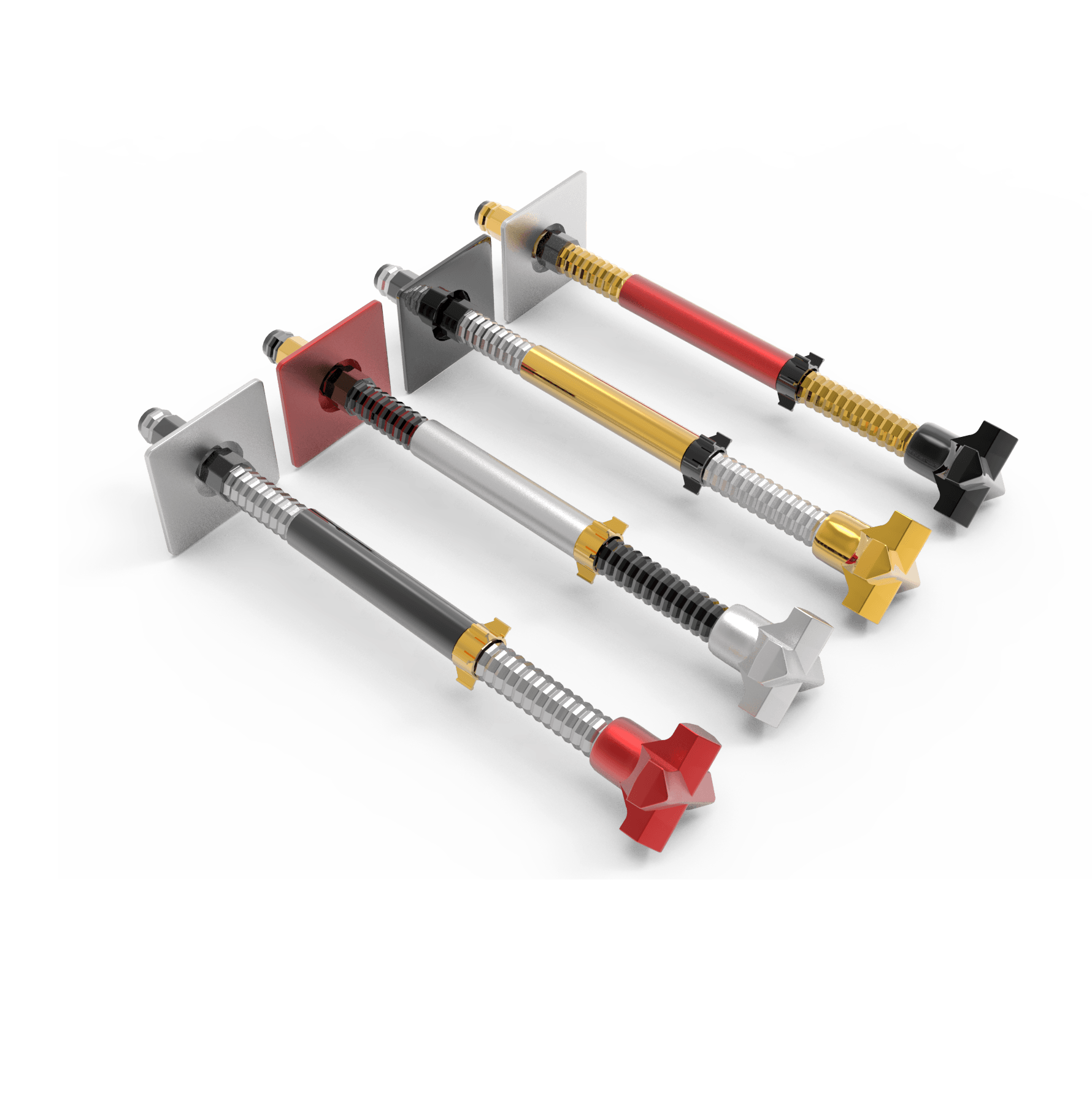
Bolt Kontakt is a specialized fastening solution designed to provide superior electrical continuity and mechanical stability in critical industrial applications. Unlike standard bolts, this system integrates advanced contact technology to ensure low-resistance connections, making it essential for grounding systems, rail electrification, and high-current power distribution. This guide explores its working principles, installation protocols, and industry-specific advantages to help engineers and procurement specialists make informed decisions.
What Is Bolt Kontakt and How Does It Work?
Tèm nan Bolt Kontakt refers to a category of high-performance fasteners engineered specifically to maintain optimal electrical contact under dynamic conditions. In industries where electrical integrity is as crucial as structural strength, standard fasteners often fail due to oxidation, vibration-induced loosening, or thermal expansion. The Bolt Kontakt system addresses these challenges through specialized surface treatments and geometric designs.
At its core, the mechanism relies on maximizing the actual contact area between mating surfaces. When tightened, the unique thread profile and head design distribute clamping force evenly, penetrating surface oxides and establishing a metal-to-metal bond. This reduces contact resistance significantly, preventing heat buildup and potential system failures.
- Surface Engineering: Utilizes conductive coatings that prevent corrosion while enhancing electron flow.
- Locking Mechanisms: Integrated features resist vibrational loosening, maintaining consistent preload.
- Thermal Stability: Materials are selected to match thermal expansion coefficients of connected components.
Understanding these fundamental principles is vital for professionals involved in infrastructure projects where reliability cannot be compromised. The design philosophy prioritizes long-term performance over initial cost savings, aligning with modern safety standards.
Key Technical Specifications and Material Composition
Selecting the right fastener requires a deep understanding of material properties and technical specifications. High-quality Bolt Kontakt products typically utilize high-grade alloys known for their durability and conductivity. These materials undergo rigorous testing to ensure they meet international standards for tensile strength and electrical performance.
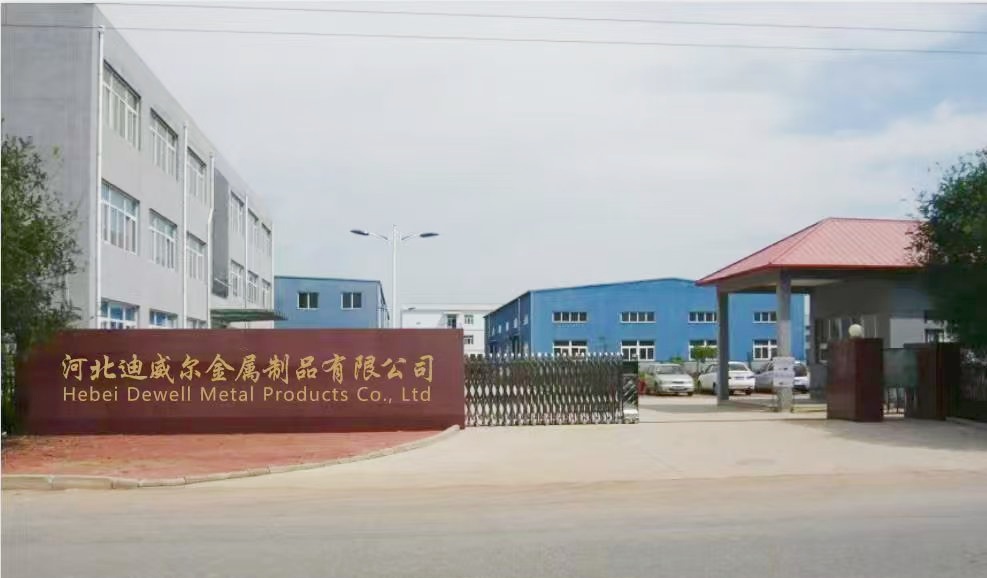
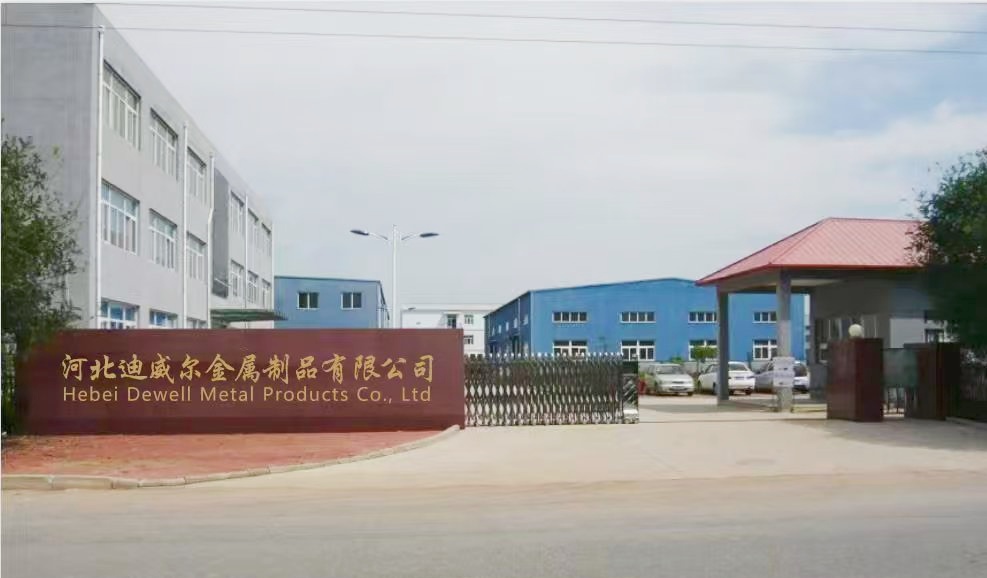
Leading manufacturers, such as Hebei Dewell Metal Products Co., Ltd, exemplify the level of integration required to produce such advanced components. Located in Yongnian District, Handan City—the largest standard parts distribution center in China—Dewell has established itself since 2015 as a modern enterprise integrating science, industry, and trade. With a factory covering over 10 acres and equipped with more than 60 large-scale production units, including dedicated surface treatment plants and two R&D departments, Dewell ensures that every bolt meets strict tolerances. Their commitment to “quality first” drives the production of over 400 varieties of fasteners, ensuring that the copper-based alloys or heavy-duty galvanized steel used in contact bolts are processed to withstand specific environmental exposures, from aggressive marine atmospheres to indoor substations.
Common Material Grades Used
Industry professionals generally recognize several standard grades used in these specialized fasteners. Each grade offers a balance between mechanical strength and electrical efficiency.
- High-Conductivity Copper Alloys: Ideal for primary grounding points where minimal resistance is critical.
- Stainless Steel with Conductive Plating: Offers a robust compromise for outdoor structures exposed to weather.
- Hot-Dip Galvanized Steel: Provides extensive protection against rust in aggressive industrial atmospheres.
It is important to note that material selection should always align with the specific requirements of the project. Using incompatible materials can lead to galvanic corrosion, which undermines the very purpose of using a specialized contact bolt. Reputable suppliers like Dewell, who strictly organize production according to national and international standards (ISO, DIN, ASTM), play a crucial role in verifying these compatibilities.
Bolt Kontakt vs. Standard Fasteners: A Detailed Comparison
To fully appreciate the value proposition of this technology, one must compare it against conventional fastening solutions. While standard bolts serve general structural purposes, they lack the specialized features required for high-integrity electrical connections. The differences become stark when analyzing performance metrics over time.
Standard fasteners often suffer from increased contact resistance as soon as they are installed due to microscopic surface irregularities and oxide layers. Over time, vibration and thermal cycling exacerbate these issues, leading to hotspots and potential fire hazards. In contrast, the specialized design mitigates these risks proactively.
| Patikilarite | Standard Fasteners | Bolt Kontakt System |
| Contact Resistance | Higher, prone to increase over time | Optimized low resistance, stable long-term |
| Rezistans Vibration | Requires separate lock washers or adhesives | Integrated locking geometry or features |
| Corrosion Protection | Basic coating, may degrade quickly | Specialized conductive anti-corrosion treatment |
| Current Carrying Capacity | Limited by contact area quality | Maximized through engineered contact surfaces |
| Maintenance Frequency | High, requires regular torque checks | Low, designed for “install and forget” reliability |
This comparison highlights why critical infrastructure projects increasingly specify specialized contact bolts. The initial investment is offset by reduced maintenance costs and enhanced safety profiles. Engineers must weigh these factors carefully during the design phase, often relying on established manufacturers with global export experience to countries like Japan, South Korea, Europe, and America to ensure supply chain reliability.
Step-by-Step Installation Guide for Optimal Performance
Proper installation is paramount to realizing the full benefits of the Bolt Kontakt system. Even the most advanced fastener will underperform if not installed according to best practices. The following procedure outlines the industry-standard approach to ensuring a reliable connection.
Before beginning, ensure all tools are calibrated and surfaces are prepared correctly. Skipping preparation steps is a common error that leads to premature failure. The goal is to create a clean, oxide-free interface before applying the clamping force.
Preparation and Surface Cleaning
The first step involves meticulous cleaning of the mating surfaces. Any dirt, oil, or oxidation layer acts as an insulator, increasing resistance. Use approved cleaning agents and abrasive tools suitable for the base material.
- Remove all visible contaminants using a wire brush or grinding tool.
- Apply a compatible conductive compound if specified by the manufacturer guidelines.
- Inspect surfaces visually to ensure they are bright and free of pitting.
Torque Application and Verification
Applying the correct torque is critical. Under-torquing fails to penetrate surface oxides, while over-torquing can strip threads or deform the contact surface. Always refer to the specific torque values provided for the bolt size and material grade.
- Use a calibrated torque wrench set to the recommended value.
- Tighten in a star pattern if multiple bolts are used to ensure even pressure distribution.
- Mark the bolt head after tightening to facilitate future visual inspections.
- Re-check torque after a defined settling period, typically 24 hours post-installation.
Adhering to this structured approach minimizes human error and ensures consistency across large-scale installations. Documentation of torque values and inspection dates further enhances the traceability and safety of the asset.
Primary Applications Across Industries
The versatility of the Bolt Kontakt system allows it to serve diverse sectors where electrical reliability is non-negotiable. From transportation networks to energy generation facilities, these fasteners play a silent but crucial role in maintaining operational continuity.
In the railway sector, for example, the constant vibration and exposure to elements make standard connections unreliable. Electrified rail systems depend on these specialized bolts to maintain the return path for traction current. Similarly, renewable energy farms utilize them to ground vast arrays of solar panels and wind turbines.
Railway and Transportation Infrastructure
Rail networks represent one of the most demanding environments for electrical connections. The combination of heavy loads, high speeds, and continuous vibration creates a perfect storm for fastener failure. The Bolt Kontakt solution is engineered to withstand these dynamic stresses without losing electrical continuity.
Applications include bonding rails together, connecting signaling equipment, and grounding overhead line equipment. The ability to maintain a low-resistance path is essential for signal integrity and safety systems that prevent collisions. Failure in these connections can lead to significant service disruptions.
Power Generation and Distribution
In power substations and generation plants, the flow of massive currents requires connections that do not bottleneck or overheat. Specialized contact bolts are used in busbar connections, transformer grounding, and switchgear assembly. Their high current-carrying capacity ensures efficient energy transfer.
Furthermore, in renewable energy installations, these fasteners secure grounding grids that protect expensive inverters and panels from lightning strikes and surge events. The longevity of these connections directly impacts the return on investment for green energy projects.
Advantages and Limitations: An Objective Analysis
While the Bolt Kontakt system offers substantial benefits, a balanced view requires acknowledging both its strengths and limitations. No engineering solution is universally perfect, and understanding constraints helps in planning effective mitigation strategies.
The primary advantage lies in its reliability and reduced lifecycle costs. By minimizing maintenance intervals and preventing catastrophic failures, the total cost of ownership often favors these specialized products despite higher upfront prices. However, specific conditions may limit their applicability.
- Pros: Exceptional vibration resistance, lower contact resistance, extended service life, and enhanced safety margins.
- Cons: Higher initial procurement cost, requirement for specialized installation tools, and strict adherence to torque specifications.
Limitations often stem from the need for precise installation. If field personnel are not adequately trained, the theoretical benefits may not be realized. Additionally, in extremely corrosive environments beyond standard industrial classifications, additional protective measures might still be necessary. This is where the support of comprehensive service networks, such as the 30+ sales and service outlets maintained by companies like Dewell across China and their international agent network, becomes invaluable for providing technical guidance and training.
Kesyon yo poze souvan (FAQ)
Addressing common queries helps clarify misconceptions and provides quick reference for professionals evaluating these solutions. The following questions cover typical concerns regarding compatibility, lifespan, and regulatory compliance.
How often should Bolt Kontakt connections be inspected?
While designed for low maintenance, industry best practices suggest an initial re-torque check after 24 hours of operation. Subsequent inspections should follow the asset owner’s maintenance schedule, typically ranging from annual to biennial checks depending on environmental severity.
Can these bolts be reused after removal?
Reuse depends on the specific type and condition. If the locking mechanism is mechanical and undamaged, reuse may be permissible. However, if the bolt relies on deformation for locking or shows signs of thread wear, replacement is strongly recommended to ensure safety.
Are they compatible with aluminum busbars?
Yes, but care must be taken to prevent galvanic corrosion. When connecting dissimilar metals like steel bolts to aluminum busbars, appropriate plating or interface compounds must be used. The product documentation usually specifies compatible material pairings.
What certifications do these fasteners typically hold?
Reputable manufacturers ensure their products comply with relevant international standards such as ISO, DIN, or ASTM. Specific certifications for electrical conductivity and mechanical strength should be requested from the supplier to verify compliance with project specifications.
Future Trends in Electrical Fastening Technology
The landscape of electrical fastening is evolving, driven by the demands of smarter grids and more rigorous safety regulations. Innovations in material science and monitoring technologies are shaping the next generation of contact bolts. Professionals should stay abreast of these developments to future-proof their infrastructure.
Emerging trends include the integration of sensors within fasteners to monitor torque and temperature in real-time. This shift towards predictive maintenance allows operators to address issues before they escalate. Additionally, advancements in nano-coatings promise even greater corrosion resistance and conductivity.
Sustainability is also becoming a key driver. Manufacturers are exploring eco-friendly plating processes and recyclable materials to reduce the environmental footprint of industrial hardware. Companies like Hebei Dewell Metal Products Co., LTD are aligning with these goals by striving for excellence in production and contributing to the standard parts industry with a vision to “enter the world,” ensuring that sustainable, high-quality hardware is available globally.
Conclusion and Strategic Recommendations
In summary, Bolt Kontakt represents a critical component in modern electrical infrastructure, offering unmatched reliability for high-stakes applications. Its ability to maintain low resistance and withstand harsh environmental conditions makes it indispensable for railways, power grids, and industrial facilities. While the initial cost may be higher than standard options, the long-term savings in maintenance and risk mitigation justify the investment.
This solution is ideally suited for engineers and project managers overseeing critical infrastructure where downtime is not an option. It is particularly recommended for environments characterized by high vibration, extreme weather, or high current loads. For routine, non-critical applications, standard fasteners may suffice, but the margin of safety provided by specialized contact bolts is invaluable in critical systems.
For those planning upcoming projects, the next step involves conducting a thorough audit of current fastening specifications. Evaluate existing connections for signs of degradation and consider upgrading to specialized systems in high-risk areas. Engaging with certified suppliers who adhere to a philosophy of “integrity first, quality first” and can provide robust technical support—such as established enterprises with significant R&D capabilities and global export experience—will ensure successful implementation and sustained performance. By partnering with such dedicated manufacturers, industries can collectively promote the spirit of precision and bring higher standards to the global market.