Blind rivet nuts are not just a common fastening solution but a game-changer in the pursuit of sustainability. They’re slowly redefining how assemblies are approached in various industries, minimizing environmental impact while ensuring structural integrity.
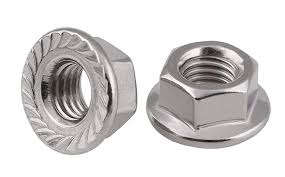
Itsas errematxo fruitu lehorrak ulertzea
Initially, there’s some misconception around the benefits of Itsas errematxo fruitu lehorrak. People often see them as just another type of fastener, without recognizing their potential in promoting sustainability. But think about it—these components can significantly reduce material waste.
Unlike conventional bolts or screws which might need two-sided access, blind rivet nuts can be installed from one side. This feature alone reduces the need for extra materials and time. This has been a significant observation in my own work, particularly in automotive applications where accessibility is a common constraint.
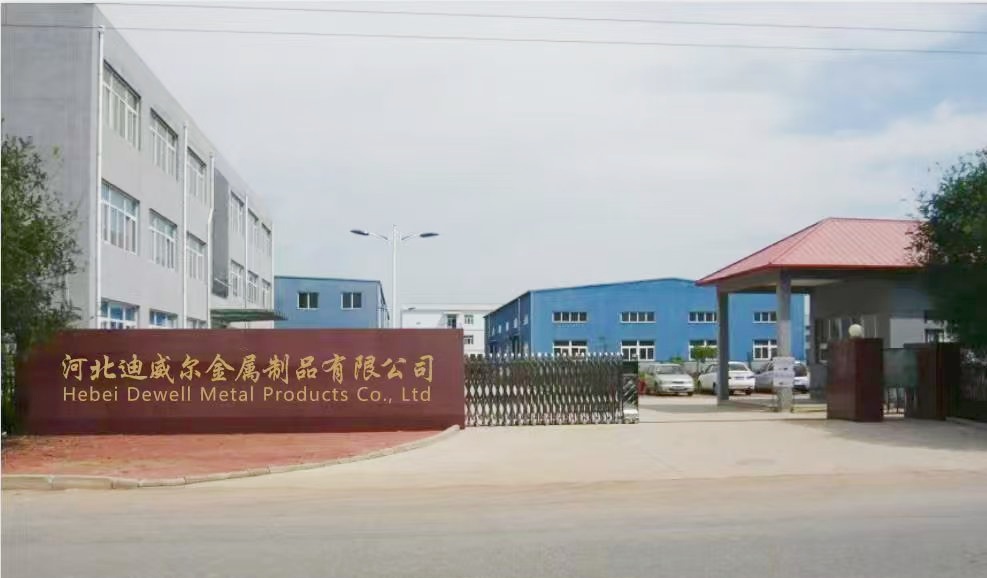
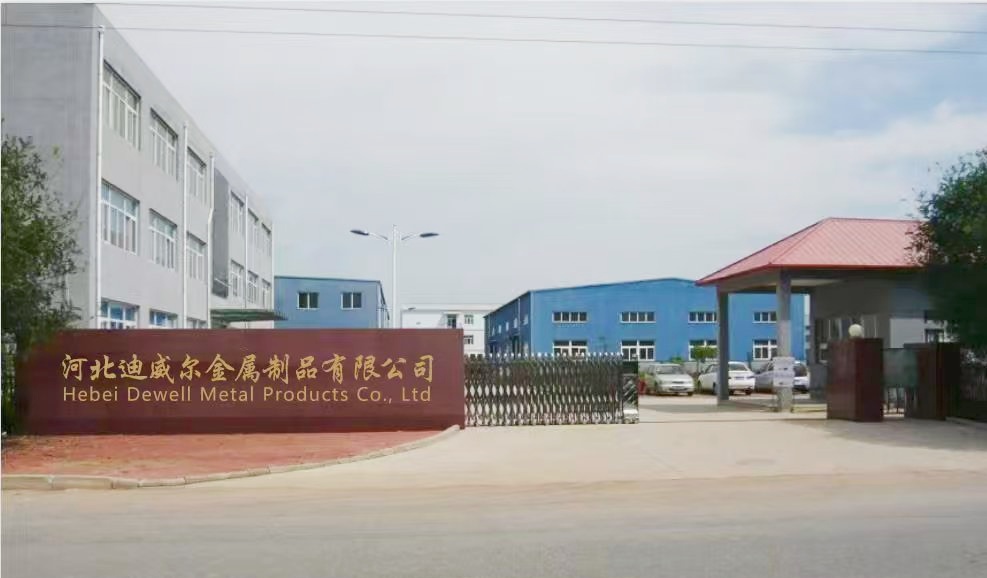
In production facilities like Hebei Dewell Metal Products Co., LTD, leveraging blind rivet nuts means streamlined operations. Their design reduces the need for additional tools or secondary operations. This simplification directly translates to lower energy consumption during installation.
The Sustainable Edge in Industrial Application
Speaking from experience, the choice of materials in product design can have a hefty environmental toll. Blind rivet nuts, especially those made from recyclable materials, contribute positively. At Hebei Dewell, a focus on sustainable materials aligns with broader ecological goals.
When rivet nuts are made from aluminum or stainless steel, they offer corrosion resistance, which prolongs the life of the product they’re used in. Reducing the need for replacements and repairs is another way these fasteners enhance sustainability, albeit indirectly.
Furthermore, the installation process is notable. Using pneumatic or battery-powered tools to set these rivets decreases emissions compared to traditional methods. Less power used in production means a smaller carbon footprint.
Reducing Waste with Reusable Solutions
I’ve seen projects where blind rivet nuts allowed for easy disassembly and reassembly, reducing waste. Unlike welded connections, these fasteners can be removed and re-installed without damaging the part, facilitating recycling and reuse.
This ability to reuse is particularly appreciated in industries focused on modular design and circular economy principles. A designer friend in the housing sector swears by them for this reason alone—it’s flexibility that traditional rivets or welding just don’t offer.
At facilities like Hebei Dewell, such flexibility allows for rethinking product life cycles, contributing to more sustainable manufacturing practices. By optimizing design for disassembly, companies can not only improve environmental outcomes but also innovate product ranges efficiently.

Challenges and Field Observations
Of course, not everything is perfect. One does encounter challenges with blind rivet nuts, especially in terms of load-bearing capacity. Knowing when and where to use them is crucial. Misjudgments can lead to structural failures, which are not just costly but environmentally damaging.
An example from my past projects—a batch of components failed due to incorrect installation of these nuts. It stressed the importance of proper training and understanding among the staff. Providing adequate knowledge can mitigate such risks and maximize the sustainable benefits of these fasteners.
Manufacturers like Hebei Dewell play a critical role by supplying quality products backed with appropriate educational resources, ensuring users make the best out of these components.
Future Prospects and Industry Trends
Looking ahead, it’s clear that the role of Itsas errematxo fruitu lehorrak will expand. As industries across the globe pivot towards eco-friendlier methods, the engineering community is holding discussions on enhancing these nuts’ load capacities and material innovations.
There’s ongoing R&D at various companies aimed at integrating more bio-based materials into fastening solutions. Such initiatives are not merely theoretical—they are being implemented quietly in pockets of the industry.
For forward-thinking firms like Hebei Dewell, staying ahead in this sustainable revolution means continuously exploring these vistas. Embracing such advancements not only strengthens a company’s market position but also contributes positively toward a greener future.