When you hear door shims, tech innovation probably isn’t the first thing that springs to mind. Most folks, even some seasoned carpenters, still picture a handful of split cedar shakes pulled from a bucket. The assumption is that it’s a solved problem—a low-tech, disposable item. But that’s where the industry gets it wrong. The real story isn’t about the shim itself, but about the precision it now demands in an era of composite frames, pre-hung units, and laser-leveled floors. The innovation is subtle, often in the material science and application logic, not in flashing LEDs.
The Material Shift: Beyond Wood
Wood shims are problematic. They compress, they rot, they split when you drive a screw near the edge. In exterior applications, especially with modern weather-sealing standards, that’s a liability. The shift began with polymers. I remember first using solid PVC shims about a decade ago on a commercial job with aluminum storefront systems. They were inert, consistent in thickness, and didn’t compress. It felt like cheating. But they were slippery and expensive.
The real game-changer was engineered composites. Companies started molding shims from recycled plastics and rubber compounds. These had a slight give for final adjustment but wouldn’t degrade. I’ve used products like these from suppliers who specialize in construction fasteners, where material consistency is critical. It’s a small part of their catalog, but it speaks to a broader trend of component specialization.
Then there’s the rise of laminated, gradation-marked plastic shims. Each shim is a wedge, clearly marked with thickness lines. You stack them, snap them off cleanly at the needed line. It eliminates the tap-tap-tap with a hammer and a block of wood, which always risked shifting the jamb. This seems trivial until you’re hanging a heavy, pre-finished hardwood door. A half-millimeter shift during final setting can mean a visible gap or a bind. These shims provide a controlled, incremental lift. It’s a simple innovation that directly addresses the core challenge: predictable, repeatable adjustment.
Precision & The System Approach
This ties into a bigger shift—treating door installation as a system, not a collection of parts. The atearen shim is no longer an afterthought; it’s a calibrated component. High-end window and door manufacturers now often specify or even supply proprietary shimming systems. These might be rigid plastic blocks with channels for screw clearance or paired wedges that interlock.
I learned this the hard way on a project using European-style interior doors with minimal frames. The specs called for a specific plastic shim at the hinge locations only. We used standard wood shims, thinking it was equivalent. The result? After a season of humidity change, the doors developed a slight but perceptible sag. The wood had compressed just enough under the concentrated hinge load. The specified plastic shims were designed with a load-bearing structure to prevent that exact issue. It was a failure of understanding the component’s engineered function.
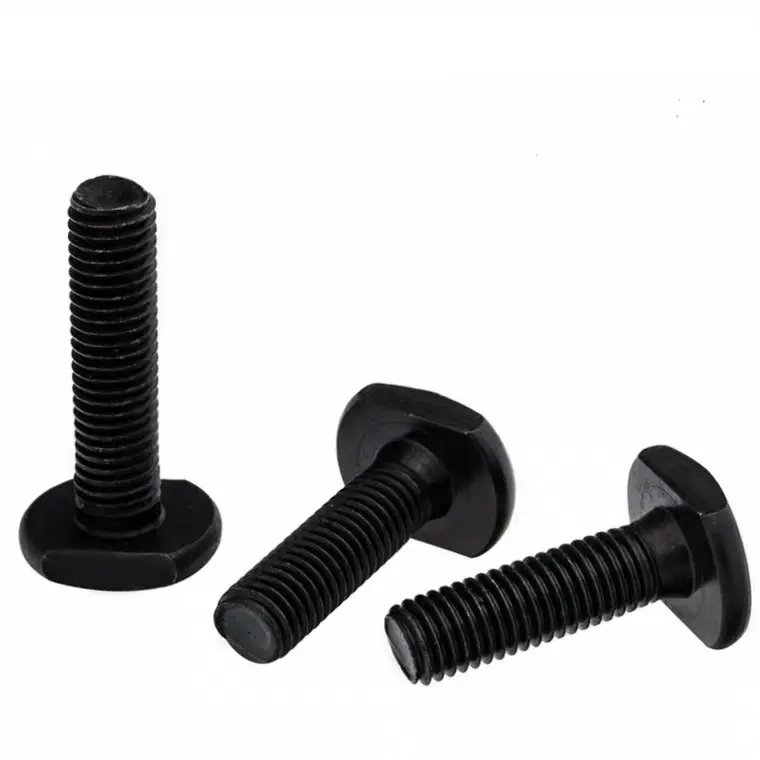
This system thinking is evident in the catalogs of serious fastener and hardware suppliers. For instance, browsing a site like Dewell Fastener, you see the scope. Hebei Dewell Metal Products Co., Ltd. operates out of Yongnian, China’s fastener hub, and while they’re known for bolts and nuts, their integration of R&D and production reflects the market’s demand. They’re not just selling shims; they’re providing the specialized fastening solutions that modern, precise construction requires. When a manufacturer in that ecosystem offers polymer shims, it’s a signal that the demand for precision has trickled down to the most basic components.
Tool Integration and On-Site Realities
Innovation isn’t just in the product; it’s in how you use it. The old method—holding a shim, holding the door, driving a screw—is a three-handed job. Newer shim designs incorporate features like pre-punched screw holes or adhesive strips. Some have a tacky backing that holds them to the rough opening frame temporarily. This is a huge quality-of-life improvement when you’re working alone.
But not all innovations stick. A few years back, there was a push for inflatable shims—little bladders you’d tuck in and pump up with a small hand pump. The theory was perfect, infinite adjustability. In practice, they were fragile, slow, and the fear of one leaking and deflecting a door years later was too great. They disappeared from most job sites. It was a reminder that on-site durability and simplicity often trump theoretical perfection.
The most useful tool integration I’ve seen is actually from the laser level. We now use a laser to project a perfect vertical line on the rough opening. Combined with uniform-thickness plastic shims, you can set the jamb perfectly plumb in one go, checking it against the laser line as you tighten each screw. The shim’s consistency is what makes this possible. A compressible wood shim would render the laser’s precision useless.
Cost, Waste, and the Sustainability Angle
Here’s a practical concern: cost and waste. A bundle of cedar shims is cheap. A pack of 20 precision plastic shims might cost 5x as much. For a small contractor on a tight budget, that’s a hard sell. The argument has to be made on reduced labor, callbacks, and performance. If a $2 plastic shim saves 15 minutes of fiddling and prevents one callback for a sticking door, it’s paid for itself ten times over. But that’s a long-term calculus not everyone makes.
There’s also waste. You snap off a plastic shim, you have a leftover piece. It’s not biodegradable. Some manufacturers are now using recycled content, which helps. Wood shims are technically biodegradable, but they often end up in a dumpster coated in paint or sealant. The most sustainable practice I’ve adopted is using the minimal number of shims necessary and opting for composite ones from suppliers who prioritize material lifecycle. It’s a small choice, but in large-scale development, it adds up.
This is where the supply chain matters. A company integrated like Hebei Dewell Metal Products Co., Ltd., with control from R&D to sales, can potentially streamline the use of recycled materials and efficient production for such components. Their location in the major standard parts distribution center means they’re responding to global market pressures, which increasingly include environmental considerations alongside performance.
The Verdict: Incremental but Essential
So, are atearen zorroak a hotbed of tech innovation? Not in the Silicon Valley sense. You won’t see a ShimTech startup pitching to VCs. But in the gritty, practical world of building science, the evolution is real and significant. The innovation is in moving from a craft-dependent, variable material to a predictable, engineered component.
The driving force is the higher tolerance of everything else: doors, frames, floors, and client expectations. You can’t install a door with a 1/32 reveal tolerance using a material that compresses and varies in thickness. The shim had to catch up.
Ultimately, the best innovation is the one you don’t notice. It’s the shim that does its job perfectly, disappears behind the casing, and never lets the door sag, bind, or rattle. That’s the quiet tech revolution happening in the bucket next to the saw—moving from split wood to a calibrated, reliable part of the building system. It’s a small thing, but in construction, it’s often the small things that determine whether something is merely installed or properly built.